Table of Contents (16 sections)
Becoming a proficient chef requires not only passion but also a set of fundamental skills. Whether you’re aiming to impress friends at dinner parties or dream of cooking professionally, mastering key cooking techniques for aspiring chefs is crucial. This guide outlines 10 essential techniques that every culinary enthusiast should familiarize themselves with to enhance their cooking prowess.
1. Knife Skills: The Foundation of Culinary Arts
Knife skills are foundational to all cooking techniques. Mastering how to chop, dice, and julienne herbs, vegetables, and proteins will significantly impact your cooking efficiency and presentation. A well-sharpened knife is essential as it prevents accidents and ensures clean cuts. Spend time practicing various cuts and feel the improvement in your cooking speed. For beginners, enrolling in a local cooking class focusing on knife skills can be extremely beneficial. Professional chefs often emphasize the importance of sharp knives—they not only improve safety but also enhance the quality of food preparation.
2. Sautéing: A Quick Cooking Method
Sautéing is a technique that involves cooking food quickly in a small amount of oil or butter at high heat. Perfect for vegetables, seafood, and meats, this method retains the flavor and texture of ingredients. To sauté properly, it’s vital to preheat your pan until it’s hot but not smoking. This allows for a nice caramelization without overcooking the food. A fantastic tip is to keep the food moving in the pan to ensure even cooking. According to the Culinary Institute of America, mastering sautéing can radically enhance your ability to create quick and healthy meals.
3. Roasting: Intensifying Flavors
Roasting is a dry heat cooking method that is perfect for meats and vegetables. The key to successful roasting lies in the even distribution of heat. Always preheat your oven and use a roasting pan to allow airflow around the food which enhances browning. For instance, when roasting vegetables, cut them into uniform sizes to ensure even cooking. This method not only intensifies flavors but also creates a beautiful caramelized crust. A recent survey suggests that juicy, roasted chicken is a favorite among 72% of home cooks, demonstrating its popularity in home kitchens.
4. Baking: Precision and Patience
Baking is a technique that demands precision and patience. The balance of ingredients is crucial; using a scale for measuring can ensure consistency. Take the time to understand the role of ingredients—important for mastering bread or pastry. Experimenting with different flours, sugars, and leavening agents can lead to surprising and delicious outcomes. Engaging with baking can open doors to a world of desserts and breads that impress. Tutorials online are plentiful for beginners wanting step-by-step guidance.
5. Grilling: Bringing Out Natural Flavors
Grilling infuses food with moisture and a distinct smoky flavor. Technique-wise, understanding heat zones is essential: direct heat for quick-cooking items (like vegetables and chicken breasts) and indirect heat for slower-cooking meats (like ribs). To achieve perfect grill marks and prevent sticking, ensure the grill is hot and well-oiled. The National Chicken Council reports that grilling is one of the most popular cooking methods in America, particularly during the summer months, showing its relevance across cultures.
6. Braising: The Art of Slow Cooking
Braising is a combination cooking method that uses both moist and dry heat. It typically involves searing food in fat and then cooking slowly in a covered pot with a small amount of liquid. This technique is perfect for tougher cuts of meat, allowing flavors to develop and break down collagen, resulting in tender dishes. Start with a vegetable base and season well; then add your protein. Mastering braising can elevate your cooking significantly, with dishes like coq au vin becoming staples in your repertoire.
7. Plating: The Final Touch
The presentation of food can elevate the dining experience. Crafting beautiful plates involves strategic placement of components and garnishing with colors and textures. Research shows that the first impression of a dish is often visual; thus, investing time in plating can lead to a more enjoyable meal. Try using molds for structured presentations or splashing sauces artfully on the plate. Watching tutorial videos can provide inspiration and techniques for sophisticated plating.
8. Seasoning: Enhancing Flavor
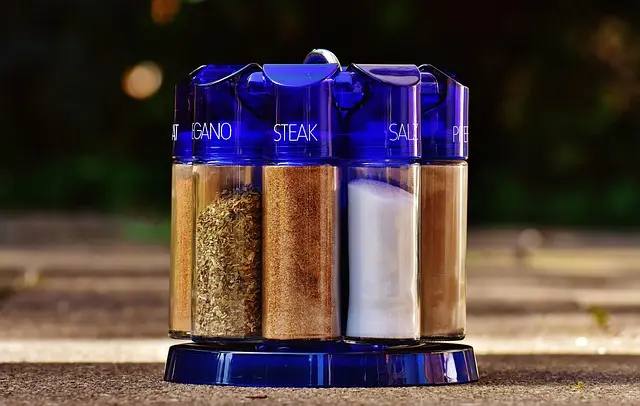
Understanding how to season food correctly is a critical but often overlooked skill. Salt is a fundamental seasoning that brings out the flavors in foods. Beyond salt, incorporating fresh herbs and spices can elevate dishes significantly. Experimentation is key; start by seasoning lightly and adjust as necessary. Keep in mind that the quality of ingredients can drastically affect the outcome, and fresh herbs often provide a more vibrant flavor compared to dried versions. According to Flavor & The Menu, a well-seasoned dish can transform eating into an extraordinary experience.
9. Sous Vide: Mastery of Temperature Control
Sous vide, which means “under vacuum” in French, is a cooking technique that involves vacuum-sealing food in bags and cooking it to a very precise temperature in a water bath. This method ensures consistent results and can greatly enhance texture and flavor. It is perfect for meats, ensuring they remain juicy and tender. While it requires special equipment, the ability to control temperature precisely opens avenues for high-quality meal preparation at home.
10. Understanding Culinary Terms and Techniques
Lastly, it’s vital to familiarize yourself with culinary jargon and techniques. Terms like “noisette,” “blanching,” and “reducing” pop up regularly in recipes. A good practice is to maintain a culinary dictionary or reference to ensure clarity and confidence in the kitchen. Knowing these terms not only boosts your cooking but also makes you feel part of the culinary community.
📺 Resource Video
> 📺 For further exploration: Essential Cooking Techniques for Beginners, a thorough guide covering essential skills and methods. Search YouTube for: essential cooking techniques for aspiring chefs.
Checklist Before You Start (Pre-Cooking)
- [ ] Gather all ingredients and tools
- [ ] Sharpen knives for safety and precision
- [ ] Read the recipe thoroughly before beginning
- [ ] Preheat ovens or grills as needed
- [ ] Prepare work area to minimize chaos
Glossary
| Terme | Définition |
|---|---|
| Sautéing | Cooking quickly over high heat in a small amount of oil or fat. |
| Braising | A combination cooking method involving both wet and dry heat. |
| Sous Vide | Vacuum-sealing food and cooking it in a water bath at precise temps. |
Conclusion
Mastering essential cooking techniques creates a solid foundation for your culinary journey. From knife skills to understanding various methods like grilling and braising, each technique enhances your ability as a chef. Remember, practice makes perfect! Don’t hesitate to explore, fail, and succeed in the kitchen. Each meal is an opportunity to learn and grow, transforming you into the chef you've always wished to become.
References
- National Chicken Council - Grilling statistics
- Culinary Institute of America - Cooking tips and techniques
📺 Pour aller plus loin : essential cooking techniques for aspiring chefs sur YouTube