Table of Contents (14 sections)
Becoming a chef goes beyond just your passion for food; it entails mastering a variety of important cooking techniques. Whether you’re cooking for family and friends or planning to work in a professional kitchen, these skills can elevate your culinary expertise. Let’s explore the ten essential cooking techniques every aspiring chef should master!
Sautéing
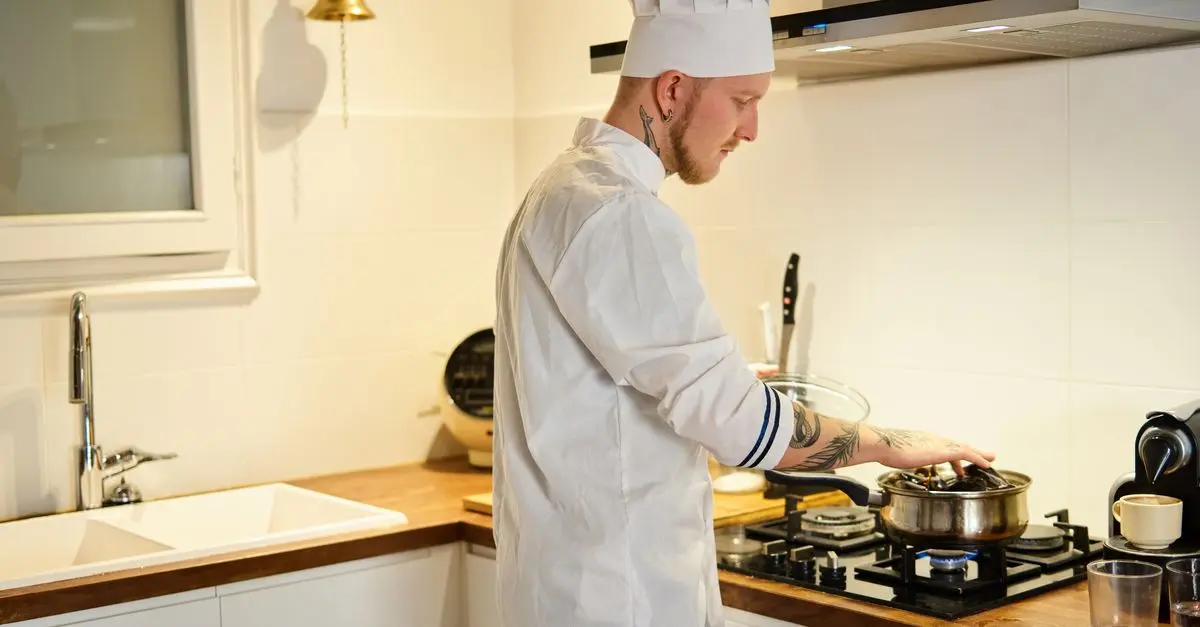
Sautéing is a cooking technique that uses a small amount of oil or butter over relatively high heat. This method effectively cooks food quickly while preserving its flavor and texture. An essential technique for any aspiring chef, mastering sautéing can enhance your ability to create flavorful dishes.
To sauté, heat a pan until it’s hot, add oil or butter, and introduce your ingredients, ensuring they are not overcrowded. For instance, diced vegetables like onions or bell peppers can be sautéed for a delicious stir-fry. According to culinary experts, the ideal sauté temperature is around 350°F (175°C). This technique is crucial as it allows for the Maillard reaction, helping develop rich flavors.
Baking
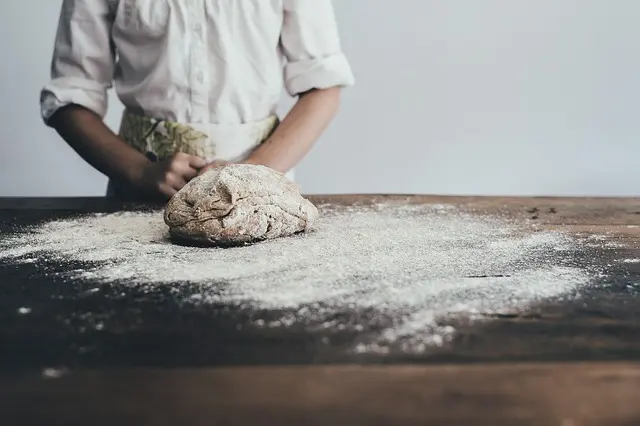
Baking is a dry heat cooking method that involves the use of an oven. It relies on consistent, even heat which is perfect for preparing a range of baked goods, from bread and pastries to casseroles and roasted meats. One of the fundamental skills in baking is understanding how to properly measure ingredients and controlling oven temperature.
For instance, baking bread requires skilled fermentation and kneading techniques. Did you know that professional bakers often use specific ratios of flour to water to create the perfect crust? Typically, a successful bread recipe is 60-70% hydration. Understanding the science of baking can make or break your culinary creations.
Grilling
Grilling is an ancient cooking method that uses direct heat, usually applied from below. It’s perfect for meats, vegetables, and even fruits. The unique flavors imparted by the grill are what make this technique appealing to home cooks and professionals alike. The key to successful grilling lies in seasoning and marinating your ingredients beforehand.
For optimal results, marinate meats in acidic environment (like citrus or vinegar) for 30 minutes to enhance flavor and tenderize. A survey by the National Grill Association reported that 75% of grillers in the U.S. identify grilling as a favorite cooking method, showcasing its popularity. When grilling steak, for example, the ideal internal temperature for medium-rare is 130°F (55°C).
Roasting
Roasting is similar to baking but generally applies to meats and vegetables. This technique cooks food evenly without moisture loss, allowing natural sugars to caramelize and enhance flavor. It’s essential for dishes such as roast chicken or root vegetables.
When roasting vegetables, cut them into uniform sizes to ensure even cooking. A study indicates that roasting increases the vegetable flavor compounds by up to 200%. To achieve the perfect roast, consider your oven’s convection setting to circulate heat evenly throughout.
Poaching
Poaching involves cooking food in liquid at low temperatures, typically below boiling. This gentle method is particularly suitable for delicate items like eggs, fish, or fruits. For example, poached salmon retains moisture and flavor while being less calorific than fried counterparts, making it a healthy option.
The perfect poach for an egg involves simmering water at around 180°F (82°C) and adding a dash of vinegar to help the egg whites coagulate quickly. According to a culinary study, poaching can maintain food’s nutrients better compared to boiling or frying.
Braising
Braising combines both moist and dry heat. This technique generally starts with browning food in fat, followed by cooking slowly in liquid. Braising is effective for tougher cuts of meat, breaking down connective tissues and introducing flavor.
A classic example is beef short ribs, where the slow cooking process allows the flavors to meld and the meat to become tender. Studies suggest that braised dishes can often be more flavorful as the cooking liquid infuses the main ingredient with rich seasoning.
Steaming
Steaming is considered one of the healthiest cooking techniques as it uses vapor to cook food. It retains nutrients and natural flavors without the need for added fats. This method is often used for vegetables to keep them vibrant and crisp.
A practical example is steaming broccoli, which retains 90% of its nutrients compared to boiling, which can reduce nutrients significantly. According to Healthline, steaming can improve overall dietary balance by helping preserve the health benefits of food.
Blanching
Blanching involves briefly plunging food into boiling water, then rapidly cooling it down in ice water. This technique is essential for preserving the color and texture of vegetables and can help in peeling skins off fruits like tomatoes.
By blanching asparagus before freezing, you prevent nutrient loss and maintain quality. It’s commonly recommended for green beans, allowing them to remain bright and crunchy. According to cooking experts, proper blanching can enhance the shelf life of produce.
Slow Cooking
Slow cooking is a convenient technique that relies on low heat over an extended period. It’s perfect for stews, soups, and even casseroles as it allows flavors to develop gradually. Using a slow cooker helps busy chefs manage their time while achieving flavorful outcomes.
For effective results, aim for recipes with a good balance of liquid, as too little may lead to burnt food, while too much can dilute the flavor. Stats show that over 30 million households own slow cookers, signifying its popularity in today’s kitchens.
Knife Skills
Mastering knife skills is fundamental for any aspiring chef. Proper techniques reduce cooking time and enhance presentation. Learning about various cuts—such as julienne, chiffonade, and brunoise—will refine your culinary presentation.
Did you know that a good chef can expertly cut vegetables uniformly in under 10 minutes? This proficiency not only aids in even cooking but also adds an aesthetic element to your dishes. Practicing these skills regularly is key to becoming more efficient in the kitchen and will elevate your culinary game.
📺 For more information:
Learn Essential Cooking Techniques, the ultimate guide to perfecting your cooking methods. Search for this on YouTube: 'cooking techniques for chefs 2026'.
Checklist before cooking
- [ ] Gather all ingredients and tools needed.
- [ ] Preheat the oven or stove as required.
- [ ] Prepare your workspace for maximum efficiency.
- [ ] Practice knife skills for accurate cutting.
- [ ] Experiment with different cooking techniques.
Glossary
| Terme | Définition |
|---|---|
| Sautéing | Cooking quickly in a small amount of oil over high heat. |
| Braising | Cooking slowly in a bit of liquid after browning. |
| Poaching | Cooking in liquid at low temperatures. |
> 💡 Expert Advice: Regular practice is vital for mastering these cooking techniques. Collaborating with seasoned chefs or taking cooking classes can also enhance your skills.
By focusing on these essential techniques, any aspiring chef can build a robust culinary foundation that leads to delightful and expertly prepared dishes.
📺 Pour aller plus loin : How A Professional Chef Cuts An Onion sur YouTube