Table of Contents (25 sections)
As the culinary world continues to evolve, aspiring chefs need to equip themselves with a diverse range of culinary skills. Mastering these skills not only enhances creativity in the kitchen but also ensures safety, efficiency, and higher quality results. In this article, we will explore ten essential culinary skills every aspiring chef should master to excel in their careers.
1. Knife Skills: The Foundation of Culinary Expertise
Knife skills are fundamental for any chef. A well-honed knife skills allow for speed, precision, and consistency when preparing ingredients. Proper techniques, such as how to dice, julienne, and chiffonade, can drastically reduce prep time and improve the overall presentation of dishes. For example, dicing vegetables uniformly ensures even cooking, while a julienned carrot can significantly enhance a dish's visual appeal.
Tips for Mastering Knife Skills:
- Practice basic cuts repeatedly to build muscle memory.
- Use the pinch grip for better control and stabilization.
- Always keep your knives sharp; a dull knife is more dangerous and less efficient.
2. Cooking Techniques: Baking, Sautéing, and Boiling
Understanding various cooking techniques is crucial. Each method imparts unique flavors and textures to dishes. For instance, baking is ideal for desserts and bread, while sautéing is perfect for quick cooking of vegetables, maximizing their flavor. Cooking methods such as boiling require precision to preserve nutritional content.
Mastering Techniques:
- Experiment with different cooking methods to discover their effects on ingredients.
- Keep a cooking journal to note flavor and texture outcomes.
- Learn basic methods—like braising and poaching—to expand your repertoire.
3. Food Safety and Sanitation
Proper food safety procedures are vital to prevent foodborne illnesses. Knowing how to store ingredients, avoid cross-contamination, and maintain cleanliness is essential for success in the culinary field. According to the Centers for Disease Control and Prevention (CDC), an estimated 48 million cases of foodborne illnesses occur annually in the U.S., highlighting the importance of these skills in professional kitchens.
Essential Safety Practices:
- Wash hands frequently and properly.
- Keep raw meat separate from other foods.
- Store foods at correct temperatures to prevent bacterial growth.
4. Flavor Profiling: The Art of Seasoning
Understanding how to develop flavors is one of the most crucial culinary skills. Seasoning does not solely involve salt; it encompasses balancing acidity, sweetness, bitterness, and umami. For example, adding a splash of citrus juice can brighten a dish, while herbs and spices can deepen the complexity of flavors.
Developing Your Palate:
- Taste dishes at different stages of preparation.
- Experiment with different herbs and spices.
- Use seasoning sparingly to understand each component's impact.
5. Menu Planning and Organization
Successful chefs must know how to efficiently plan a menu and manage inventory. A well-thought-out menu takes into account seasonal ingredients, cost efficiency, and customer preferences. Additionally, a chef must be organized to ensure a timely service that keeps guests satisfied.
Effective Menu Planning Tips:
- Research seasonal produce to maximize freshness.
- Utilize cost analysis tools to stay within budget.
- Create prep lists to ensure smooth kitchen operations.
6. Baking and Pastry Skills
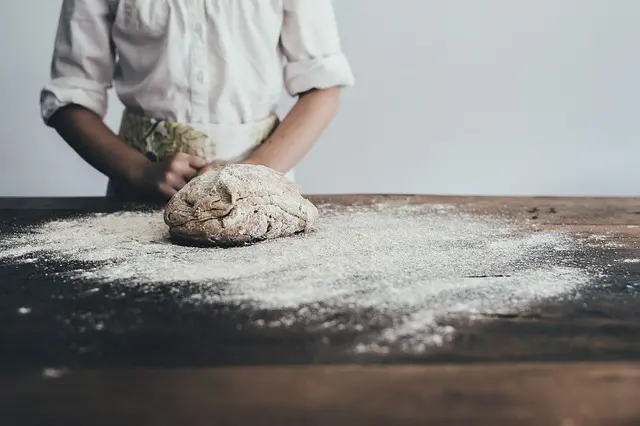
Baking is a specific skill set that requires precision and timing, making it essential for any aspiring chef. From bread making to pastries, understanding yeast fermentation and dough handling is crucial. Pastry skills also include mastering techniques like lamination, crucial for creating flaky pastries.
Baking Tips for Aspiring Chefs:
- Follow recipes meticulously, especially for baked goods where precision matters.
- Invest in quality baking tools, such as a kitchen scale.
- Take the time to learn about various flours and their properties.
7. Plating Techniques: Presentation Matters
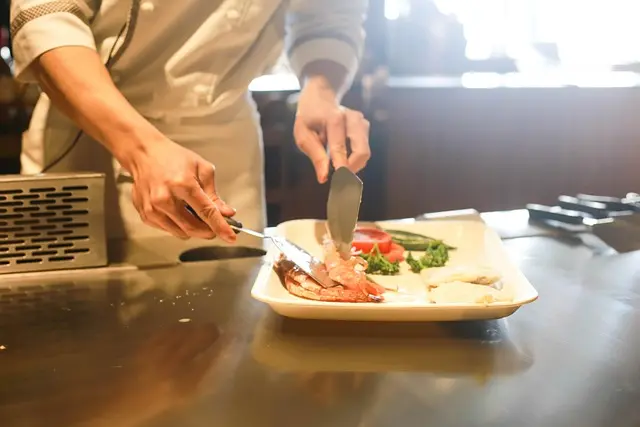
Presentation is key in the culinary world. A beautifully plated dish enhances the dining experience and suggests care and professionalism. Understanding color, height, and negative space in plating can significantly elevate a dish.
Tips for Effective Plating:
- Use contrasting colors to create visual interest.
- Incorporate height for a three-dimensional look.
- Utilize garnishes that complement the dish without overpowering it.
8. Communication and Teamwork
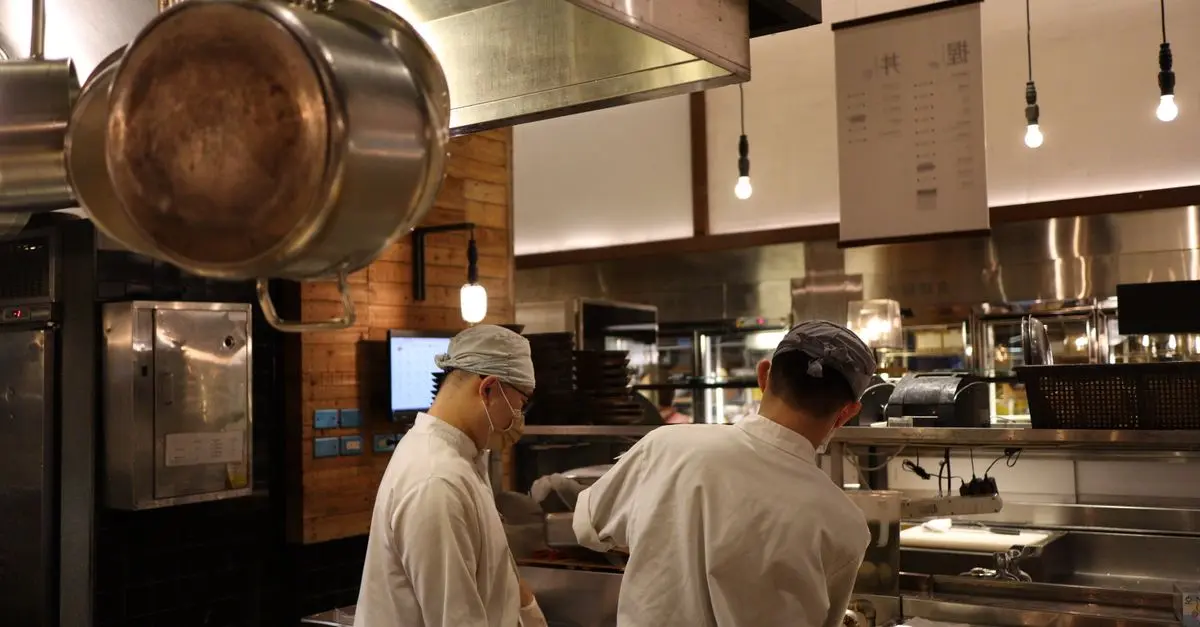
Culinary environments require strong communication and teamwork skills. Whether working in a restaurant kitchen or a catering event, being able to effectively communicate with team members can significantly impact service quality. Clear communication ensures that dishes are prepared correctly and on time.
Building Communication Skills:
- Engage in team-building exercises.
- Use clear, affirmative language in the kitchen.
- Regularly hold debrief sessions post-service to discuss challenges.
9. Time Management: Juggling Activities
Time management is crucial in a high-pressure kitchen environment. Chefs must learn to prioritize tasks effectively, from prep work to cooking and serving. Developing a sense of timing helps prevent chaos and ensures that orders are fulfilled promptly.
Strategies for Effective Time Management:
- Segment tasks into manageable units.
- Use timers to keep track of cooking times.
- Familiarize yourself with kitchen equipment for quicker efficiency.
10. Knowledge of Ingredients: Sourcing and Seasonal Awareness
Being knowledgeable about ingredients extends beyond just cooking; it's about sourcing the right produce and understanding seasonal availability. For example, being aware of which ingredients are currently in season can help with menu planning and cost efficiency.
Enhancing Your Ingredient Knowledge:
- Visit local markets to learn about fresh offerings.
- Build relationships with suppliers to understand their products better.
- Read up on different ingredients and their applications in cuisine.
📺 For more insights: Essential Chef Skills to Master
Search on YouTube: culinary skills for aspiring chefs 2026.
Conclusion
In conclusion, mastering these ten essential culinary skills provides a strong foundation for anyone looking to advance their career as a chef. The culinary arts require continuous learning and practice, and by focusing on these critical skills, aspiring chefs can elevate their culinary journeys and secure their place in this exciting industry.
Checklist before embarking on your culinary journey:
- [ ] Master basic knife skills.
- [ ] Understand essential cooking techniques.
- [ ] Stay informed on food safety practices.
- [ ] Experiment with flavor profiling.
- [ ] Plan menus effectively.
- [ ] Explore baking and pastry techniques.
- [ ] Enhance plating skills.
- [ ] Learn to communicate effectively in a team.
- [ ] Manage time skillfully.
- [ ] Grow your knowledge of ingredients.
Glossary
| Term | Definition |
|---|---|
| Knife Skills | Techniques for using knives for food preparation. |
| Flavor Profiling | The process of balancing tastes in food preparation. |
| Plating Techniques | Methods used to arrange food on a plate aesthetically. |
> 🧠 Quick Quiz: What is the most crucial skill for safety in the kitchen?
> - A) Knife Skills
> - B) Food Safety
> - C) Cooking Techniques
> Answer: B — Food Safety is essential to prevent foodborne illnesses.
📺 Pour aller plus loin : culinary skills for aspiring chefs 2026 sur YouTube