Table of Contents (14 sections)
Embrace Passion and Curiosity
A successful cooking career begins with genuine passion and curiosity about the culinary arts. Aspiring chefs must cultivate a love for food and cooking, which fuels their drive to excel. Passion allows them to persevere through long hours and challenging environments. According to a survey conducted by the Culinary Institute of America, over 75% of successful chefs identify passion for their craft as a crucial component of their success. By exploring various cuisines and cooking techniques, aspiring chefs can ignite their creativity and understand the diverse aspects of the culinary world.
Prioritize Cleanliness and Organization
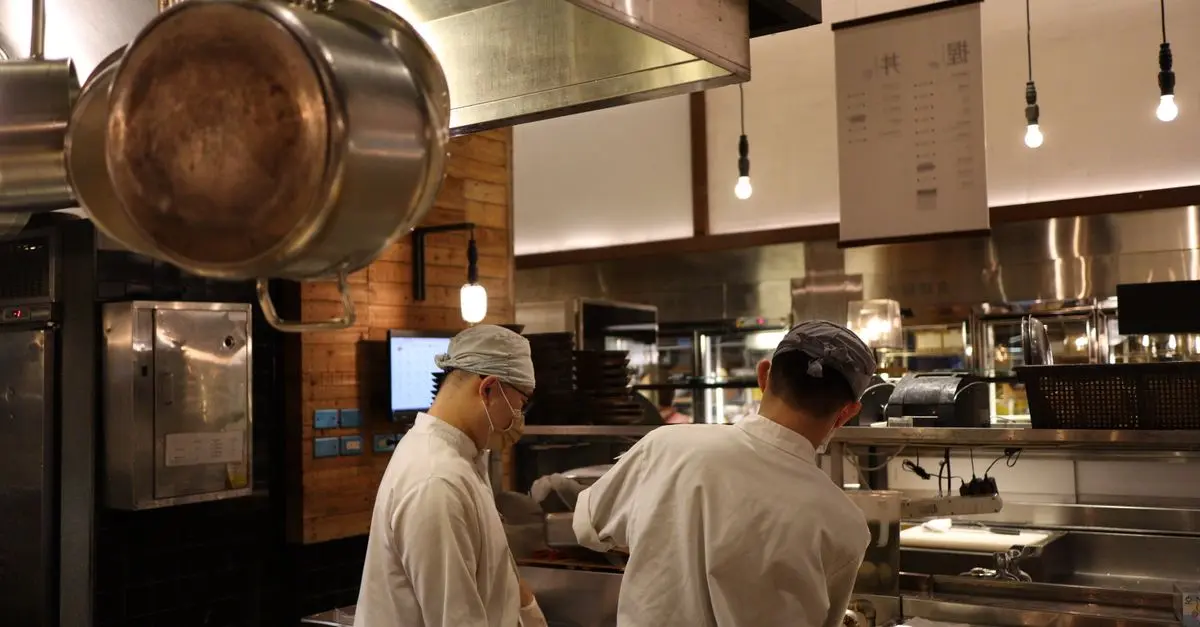
In the fast-paced environment of a kitchen, cleanliness and organization are paramount. Aspiring chefs must develop the habit of maintaining a clean workspace to ensure food safety and efficiency. It is essential to implement a mise en place approach, which involves preparing and organizing ingredients before cooking. This not only streamlines the cooking process but also enhances focus, allowing chefs to channel their creativity without distractions. The National Restaurant Association emphasizes that maintaining cleanliness can reduce kitchen incidents by up to 30%, highlighting its importance in professional settings.
Develop Knife Skills
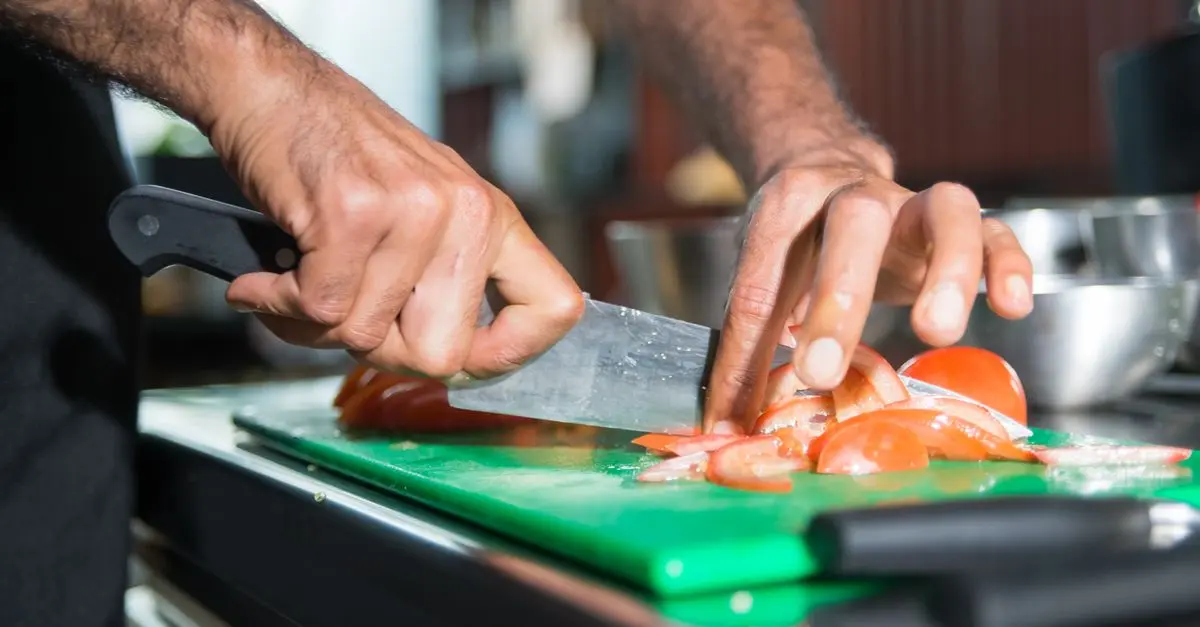
Knife skills are fundamental for any aspiring chef. Mastering proper techniques can significantly enhance food preparation efficiency and presentation. Investing time in learning how to properly hold a knife, execute various cuts, and maintain blade integrity will pay dividends in professional kitchens. For effective knife skills, aspiring chefs should practice different cutting techniques such as julienne, dice, and chiffonade. Workshops and online tutorials can be beneficial resources for sharpening these skills, ensuring that the basics are solidified early in their culinary journey.
Practice Time Management
Time management is another critical habit for aspiring chefs. Success in the culinary industry often hinges on the ability to manage tasks during busy service periods. Developing a clear workflow and adhering to it helps chefs maintain composure and efficiency. Techniques like creating a timeline for prep work and breaking down tasks into manageable segments can greatly improve time management. The American Culinary Federation recommends the use of timers and checklists to keep track of multiple orders and ensure timely delivery, illustrating how organized chefs can improve the overall dining experience.
Seek Feedback and Learn Continuously
The culinary field is dynamic, and continuous learning is essential for growth. Aspiring chefs should actively seek feedback from peers, mentors, and customers. Constructive criticism offers valuable insights for improvement and can foster professional relationships. Attending workshops or culinary competitions can provide opportunities for valuable critiques from seasoned chefs. According to culinary professionals, learning from every experience—successful or not—can lead to significant personal and professional development, ensuring that aspiring chefs remain competitive in a fast-evolving industry.
Master Basic Techniques
Before diving into advanced culinary arts, aspiring chefs must first master basic cooking techniques. Understanding fundamental skills—such as sautéing, boiling, and roasting—is crucial. A solid foundation will allow chefs to experiment more confidently with complex recipes later. Books and online resources such as MasterClass often offer tutorials and classes on these fundamental practices, providing aspiring chefs with the tools needed to build their culinary repertoire effectively.
Understand Flavor Profiles
A successful chef should have a strong grasp of flavor profiles and how to balance them. This involves understanding the complexities of spices, herbs, and different cooking methods. Aspiring chefs should experiment with incorporating various flavors and textures into dishes, enhancing their ability to create unique, delicious meals. Regularly tasting and adjusting their creations can develop their palate and overall cooking instincts. Culinary magazines often feature articles on seasonal flavors that can inspire young chefs to explore new combinations.
Build a Strong Network
Networking within the culinary community can be a game changer for aspiring chefs. Building relationships with other culinary professionals, suppliers, and customers can create opportunities for collaboration, mentorship, and potential job openings. Attending culinary events, joining professional associations, and participating in online communities can facilitate connections that might lead to valuable insights, job referrals, or even partnerships. A robust professional network can bring immense benefits, including support during job searches and access to insider knowledge about industry trends.
Stay Open-Minded and Adaptable
The culinary world is continuously evolving, so aspiring chefs should cultivate an open-minded and adaptable mindset. Embracing new trends, techniques, and cultural influences enhances culinary creativity and keeps chefs current. Being receptive to change also aids in quickly adjusting to unexpected situations in the kitchen, whether it's altering menus due to ingredient shortages or accommodating dietary restrictions. Research shows that chefs who embrace diversity in cooking styles and ingredients often impress customers more than those who do not.
Nurture a Creative Mindset
Finally, nurturing a creative mindset is essential for aspiring chefs. Encouraging experimentation in flavors, plating, and ingredient combinations fosters innovation. Chefs should keep a journal of new ideas or inspirations and actively pursue hands-on experiences cooking and tasting different cuisines. Engaging with foods from various cultures can broaden culinary horizons and ignite creativity. In the competitive culinary landscape, innovation can set chefs apart and lead to unique dining experiences.
📺 For further exploration:
Check out this insightful video on culinary habits to inspire your journey as an aspiring chef. Search for: essential habits for aspiring chefs.
Glossary
| Term | Definition |
|---|
| Mise en place | A French culinary phrase meaning "everything in its place"; a method of preparing ingredients before cooking.
| Palate | The ability to distinguish tastes and flavors, important for developing culinary skills.
| Flavor profile | The unique combination of flavors and textures that characterize a dish.
Checklist for Aspiring Chefs
- [ ] Embrace passion for culinary arts
- [ ] Prioritize workspace cleanliness
- [ ] Develop essential knife skills
- [ ] Practice effective time management
- [ ] Seek constructive feedback
- [ ] Master basic cooking techniques
- [ ] Understand flavor profiles
- [ ] Network within the culinary community
- [ ] Stay adaptable and open-minded
- [ ] Foster creativity in cooking
🧠 Quick Quiz: What is the French term for preparing all ingredients before cooking?
- A) Cuisine
- B) Mise en place
- C) Sauté
Answer: B — Mise en place encourages efficiency and organization in the kitchen.
📺 Pour aller plus loin : essential habits for aspiring chefs sur YouTube