Table of Contents (15 sections)
Becoming a chef is a rewarding journey that demands a variety of skills and knowledge. Whether you're entering culinary school, working as a kitchen apprentice, or a self-taught home cook aspiring to make it in the professional world, mastering specific skills is crucial. This article delves into the ten essential skills for aspiring chefs that will not only help you thrive in the kitchen but also accelerate your career.
1. Knife Skills
Mastering knife skills is the fundamental skill every aspiring chef must acquire. This includes understanding how to select the right knife for a task, maintaining and sharpening your knives, and learning various cutting techniques such as julienne, dice, and chiffonade. Proper knife skills enhance cooking efficiency and improve presentation, making your dishes look more appealing. In a professional kitchen, speed and precision are paramount, and being nimble with a knife can significantly impact service times during busy hours. Setting aside time for practice and learning from experienced chefs can elevate your skills dramatically.
2. Flavor Development
Understanding how to develop flavors is vital for creating delicious, well-balanced dishes. As an aspiring chef, you should learn about seasoning, flavor profiles, and the chemistry behind cooking. Experimenting with herbs, spices, and different cooking techniques can profoundly impact the final taste of your meal. For example, roasting vegetables can enhance their natural sweetness, while acidic components like vinegar or lemon can brighten up rich dishes. According to a survey by the Culinary Institute of America, understanding flavor combinations is one of the top skills employers look for in chefs.
3. Time Management
In the high-pressure environment of a kitchen, effective time management skills are essential. This involves planning your workstations, prioritizing tasks, and coordinating multiple components of a meal all at once. Developing a systematic approach to prep work and understanding how to multitask can make a significant difference. For example, while a sauce is simmering, you can chop vegetables for a side dish. Creating mise en place—having all ingredients prepped and organized before cooking—can enhance your efficiency and ensure that you meet the demands of service.
4. Food Safety and Sanitation
Knowing food safety and maintaining sanitation in the kitchen is non-negotiable. This includes understanding proper food storage, cross-contamination prevention, and personal hygiene. In 2026, nearly 48 million people in the U.S. are reported to get sick from foodborne illnesses each year, according to the Centers for Disease Control and Prevention. Taking food safety courses and getting certified in food handling can make you a more desirable candidate for employers, as they prioritize safety in their operations.
5. Cooking Techniques
A chef must have a repertoire of cooking techniques, including baking, grilling, sautéing, and braising. Each technique can bring out different textures and flavors in food. Investing time in mastering these methods through hands-on practice is essential. Start by trying techniques on simple recipes and gradually tackle more complex dishes as you grow more confident. For instance, learning how to poach eggs can help you create classic dishes like Eggs Benedict.
6. Creativity and Plate Presentation
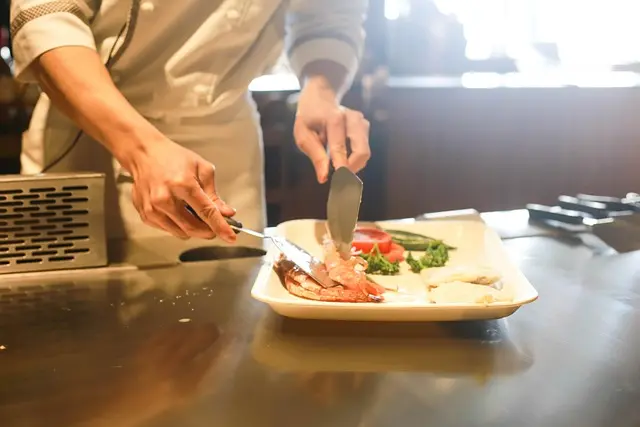
Creativity is what distinguishes a good chef from a great one. Artistic plate presentation can elevate a dish, making it visually appealing. This involves the careful arrangement of food components to maximize the aesthetic impact while still focusing on taste. Experimenting with colors, shapes, and heights can lead to unique presentations. Joining culinary competitions or workshops focused on plating can hone this skill. Remember, people eat with their eyes first!
7. Communication Skills
In a bustling kitchen, clear communication is key to a smoothly run service. Understanding kitchen terminology and being able to convey your ideas succinctly are critical for team collaboration. Practice using imperative-yield phrases to give and receive instructions clearly. Strong communication also extends to interacting with front-of-house staff and expressing your ideas when discussing menu items. By fostering a collaborative environment, you can enhance the overall efficiency and atmosphere of the kitchen.
8. Resilience and Adaptability
The culinary world can be unpredictable, and resilience is vital to navigate challenges and setbacks. Whether it’s dealing with difficult customers, equipment malfunctioning, or preparing for a sudden influx of orders, being adaptable will help you maintain your composure. Embrace challenges as learning opportunities. In moments of stress, find ways to center yourself and refocus on tasks at hand. The ability to remain calm under pressure is a valuable trait employers seek in chefs.
9. Business Acumen
Understanding the business side of the culinary world is increasingly important, especially for chefs who aspire to run their kitchens or start their own restaurants. This includes knowledge of budgeting, inventory management, and pricing strategies. Consider taking business and management courses as part of your culinary education. Creating an awareness of food costs and profit margins can help in menu planning and running a successful kitchen.
10. Continuous Learning
The culinary industry is evolving rapidly, and staying updated with the latest trends, techniques, and dietary needs is crucial for aspiring chefs. Attend workshops, read culinary blogs, or take online courses to broaden your knowledge. Networking with other professionals can also help you gain valuable insights. According to recent industry reports, embracing a mindset of continuous learning correlates with a higher level of job satisfaction and success in a culinary career.
📺 Resources Video
> 📺 For further exploration: [Mastering Culinary Techniques: From Basics to Advanced], an in-depth guide on essential cooking skills. Search on YouTube: "aspiring chef cooking techniques 2026".
Glossary
| Term | Definition |
|---|---|
| Mise en place | French phrase meaning 'everything in its place,' referring to the setup required before cooking. |
| Plate presentation | The art of arranging food on a plate in an attractive way to enhance visual appeal. |
| Culinary fundamentals | The basic techniques and knowledge necessary to start cooking professionally. |
Checklist for Aspiring Chefs
- [ ] Master basic knife skills
- [ ] Practice flavor development techniques
- [ ] Hone time management skills
- [ ] Learn food safety standards
- [ ] Familiarize with different cooking methods
- [ ] Enhance plate presentation abilities
- [ ] Develop communication within a team
- [ ] Build resilience and adaptability
- [ ] Understand business elements in cooking
- [ ] Commit to continuous learning in the culinary field.
Conclusion
Mastering these ten essential skills for aspiring chefs will set you on the path to success in the culinary world. From developing time management to honing creativity, each skill plays a crucial role in the journey of a chef. Invest in learning and practicing these skills, and you will be well-equipped to thrive in any kitchen environment.
🧠 Quick Quiz: What is the importance of knife skills in cooking?
- A) They are just for show.
- B) They enhance safety and efficiency.
- C) They make food taste better.
Answer: B — Proper knife skills enhance both safety and efficiency in the kitchen.
📺 Pour aller plus loin : aspiring chef cooking techniques 2026 sur YouTube