Table of Contents (14 sections)
Mastering culinary techniques is pivotal for anyone looking to become a successful chef. Culinary skills not only shape your cooking style but also influence the flavors, presentation, and overall dining experience. Whether you're starting from scratch or enhancing your existing skills, these essential tips will set you on the path to culinary excellence.
1. Understand Knife Skills
A fundamental skill for any chef is mastering knife techniques. Understanding how to properly hold and use a knife can drastically improve your speed and safety in the kitchen. Practice the pinch grip, which allows better control, and learn to use different cuts such as dice, julienne, and chiffonade. It's recommended to invest in high-quality knives from respected brands like Wüsthof or Shun, as they maintain their sharpness longer and can improve your cutting techniques.
2. Master the Basics of Cooking Methods
Frying, baking, steaming, grilling, and poaching are fundamental cooking methods every chef should master. Each technique imparts distinct flavors and textures to food. For instance, mastering sautéing enhances the natural flavors of ingredients and adds depth to your dishes. Dedicating time to practice each method will build your confidence and versatility in the kitchen.
3. Seasoning and Flavor Principles
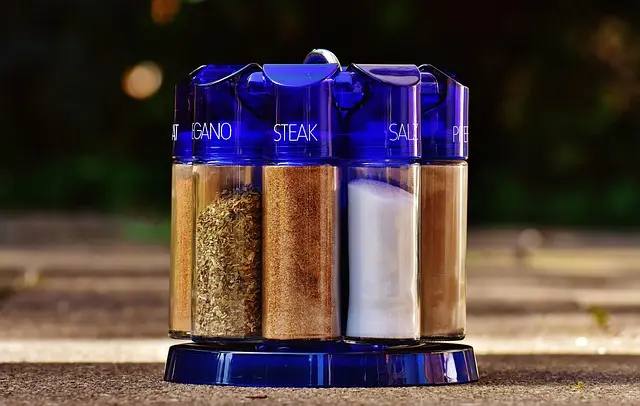
Understanding how to season your food correctly can elevate even the simplest dish. Salt, herbs, spices, and acids all play significant roles in flavor development. It's essential to taste as you go. For example, balancing the acidity of a dish with a touch of sugar can enhance its flavor profile. According to culinary experts, most dishes benefit from at least three different seasoning components for complexity.
4. Kitchen Organization
Keeping an organized workspace, known as "mise en place," is crucial for efficiency. This means having all your ingredients prepped and in place before starting to cook. An organized kitchen minimizes stress and allows you to focus on techniques rather than searching for tools or ingredients. Maintain a clean, clutter-free environment and utilize containers to separate ingredients effectively.
5. Temperature Control
Every chef must understand the importance of temperature control. Cooking proteins at the right temperature ensures ideal doneness and flavor. For example, steaks are best cooked at high heat for a quick sear and then finished at lower temperatures to reach desired doneness without compromising juiciness. A reliable meat thermometer will be an invaluable tool in achieving perfection consistently.
6. Embrace Culinary Techniques from Various Cultures
Expand your repertoire by learning techniques from diverse culinary traditions. From sous-vide to fermentation, various methods can bring new flavors and techniques to your kitchen. For example, studying Asian cuisine can introduce you to stir-frying and dumpling techniques that can enhance your dishes. Embracing culinary diversity can also inspire creativity in your cooking.
7. Plating and Presentation
The art of plating is another crucial aspect of mastering culinary techniques. An aesthetically pleasing presentation can enhance the dining experience. Research basic plating techniques, such as using height, colors, and sauces effectively. Consider employing a white plate to allow colors to pop or incorporating fresh herbs to provide visual contrast. It’s all about creating an experience that engages all the senses.
8. Continuous Learning and Experimentation
The culinary world is ever-evolving, making it essential for chefs to continually learn and adapt. Keep yourself updated on the latest trends, techniques, and technologies in the culinary field. Attend workshops, culinary schools, or online courses to enhance your skills. Experiment with new recipes and ingredients regularly to challenge your palate and push your creative boundaries.
9. Building a Network
Networking with other culinary professionals can open up opportunities for learning and collaboration. Join local culinary groups, attend food festivals, or participate in cooking competitions to meet like-minded individuals. According to a study by Culinary Institute of America, networking can significantly increase job opportunities in the culinary field.
10. Practice, Practice, Practice
Ultimately, the key to mastering any culinary technique is practice. Spend time cooking, experimenting, and even failing. Each time you practice, you refine your abilities. Aim to cook different cuisines or replicate professional recipes to challenge yourself. Remember that patience and persistence are paramount in your culinary journey.
Checklist for Mastering Culinary Techniques
- [ ] Practice knife skills regularly
- [ ] Master different cooking methods
- [ ] Experiment with seasoning combinations
- [ ] Organize kitchen space effectively
- [ ] Monitor cooking temperatures precisely
- [ ] Explore global culinary techniques
- [ ] Focus on plating aesthetics
- [ ] Engage in continuous learning
- [ ] Build a culinary network
- [ ] Commit to regular practice
Glossary
| Terme | Définition |
|---|---|
| Mise en place | Un terme français signifiant "tout à sa place", utilisé pour décrire la préparation et l'organisation des ingrédients avant la cuisson. |
| Sous-vide | Une méthode de cuisson impliquant la mise sous vide des aliments avec contrôle de la température pour une cuisson précise et uniforme. |
| Fermentation | Un processus utilisant des micro-organismes pour transformer des aliments grâce à des réactions biochimiques, en préservant ou en développant des saveurs. |
📺 Resources Video
> 📺 To go further: Mastering Culinary Techniques, a comprehensive analysis of essential food prep skills. Search on YouTube: "cooking techniques for aspiring chefs 2026".
📺 Pour aller plus loin : cooking techniques for aspiring chefs 2026 sur YouTube