Table of Contents (14 sections)
Becoming a skilled chef is more than just knowing how to cook. It involves understanding techniques, flavors, and the joy of culinary creativity. Developing chef skills can open doors not only in professional kitchens but also in home cooking. In this article, we share ten essential tips to elevate your skills and confidence in the kitchen.
1. Master the Basics
Before diving into gourmet recipes, it’s crucial to master basic cooking techniques. This includes knife skills, understanding cooking methods like sautéing, baking, and grilling, and learning how to season food correctly. For instance, a well-cooked steak starts with the appropriate method of searing, while pasta requires precise timing for that perfect al dente texture. Allocate time to practice these fundamentals, as they form the foundation of every great chef's skillset.
2. Experiment with Flavors
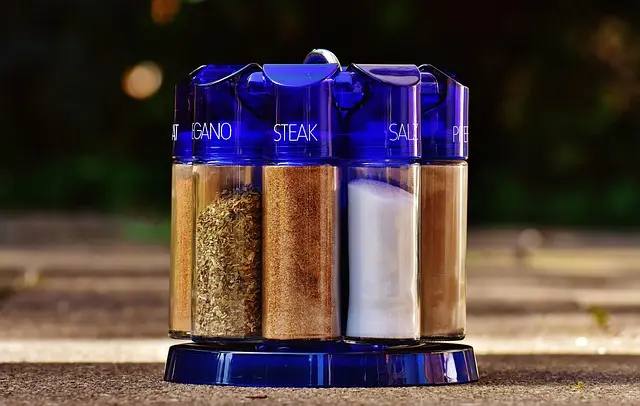
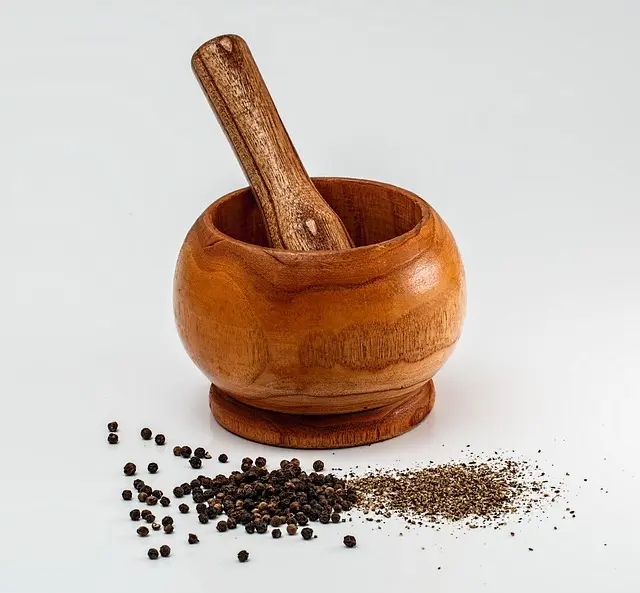
Being a chef involves not just cooking but also creating memorable flavors. Experimenting with different herbs, spices, and flavor profiles can significantly enhance your culinary repertoire. Start with simple dishes and gradually add ingredients that you haven't tried before. For example, combining smoked paprika with a traditional tomato sauce can give it a deep, smoky flavor. Take note of which combinations work well; this includes balancing sweet, salty, sour, and bitter notes in your dishes.

Oster - Rametto 5 Piece Belly Shaped Stainless Steel Cookware Set - Silver
bestbuy.com
Franklin Barbecue Book Trio, - The Book Shop Official Shop One size Unisex
bespokepost.com

Hivvago Corner Kids Play Kitchen with Washing Machine and Ice Maker Gift for Boys Girls
shop.simon.com
3. Learn to Plate Like a Pro
Presentation is just as important as taste in the culinary world. Mastering the art of plating can elevate a simple dish to something extraordinary. Focus on the aesthetics of your dish by considering color contrast, texture, and height. For example, if you create a vibrant vegetable stir-fry, serve it over a bed of white rice to make the colors pop. Practice different plating techniques by watching online tutorials and applying them to your favorite recipes.
4. Understand Kitchen Equipment
Familiarizing yourself with various kitchen tools and appliances is essential for efficiency in the kitchen. Understand the function of each tool, from knives to blenders to sous-vide machines. Investing in quality equipment can make a significant difference in your cooking results. For instance, high-quality cookware distributes heat evenly, affecting how your food cooks. We recommend checking out some excellent cookware options [in our recommended products section].
5. Cook with Seasonal Ingredients
Using seasonal ingredients not only enhances the flavor of your dishes but also supports local agriculture. Seasonal produce tends to be fresher, tastier, and often more affordable. For instance, in spring, opt for fresh asparagus and peas, while fall usher in root vegetables like squash and carrots. Familiarize yourself with what’s in season in your area and create menus around those ingredients. Not only will this enhance your cooking, but it will also provide variety throughout the year.
6. Practice Food Safety
Understanding food safety is crucial for any chef. This includes knowledge of proper storage of ingredients, cooking temperatures, and preventing cross-contamination. For instance, holding meat at the right temperature and ensuring proper cooking can prevent foodborne illnesses. Always wash your hands before and after handling food, and keep your kitchen workspace clean. At the end of the day, prioritizing food safety ensures you deliver meals that are delicious and safe to consume.

Magic Chef - 1.7 Cubic Feet Top Load Compact Washing Machine with 6 Cycles - White
bestbuy.com
7. Keep Learning
Culinary education doesn’t stop after you’ve learned the basics. Pursue opportunities for further education by attending workshops, culinary schools, or online courses. Also, consider learning from professional chefs by following their channels or engaging with culinary communities. Learning new techniques, styles, and cuisine types can greatly enrich your cooking skills. Engage in programs that offer hands-on experience to cement your learning.
8. Seek Feedback
Don’t shy away from asking for feedback from friends or family about your dishes. Constructive criticism can reveal your strengths and areas for improvement. You could also participate in cooking competitions where judges can provide professional evaluations of your cooking. Additionally, consider sharing your creations on social media to receive wider feedback from fellow cooking enthusiasts.
9. Create a Recipe Journal
A recipe journal can be a valuable resource for tracking your culinary journey. Document successful recipes as well as those that didn't turn out as expected, and note what you could do differently next time. Over time, this journal can become a personal cookbook filled with tailored recipes according to your taste and style. Don’t forget to include tips, techniques, and flavor combinations in your notes.
10. Cook Every Day
Practice makes perfect, and the more you cook, the better your skills will become. Set aside time each day to experiment with new recipes, techniques, or cuisines. Whether it’s a quick breakfast or an elaborate dinner, regular cooking will help you understand the complexities and nuances of preparing different dishes. Challenge yourself with new recipes and techniques each week to continually build your skills and confidence.
Conclusion
In conclusion, enhancing your chef skills is a multifaceted journey that involves practice, experimentation, and continuous learning. By incorporating these ten essential tips into your culinary routine, you will develop not only your cooking techniques but also your confidence and creativity in the kitchen. Don't hesitate to explore our recommended products to equip your kitchen with the best tools for your culinary adventures!
Glossaire
| Terme | Définition |
|---|---|
| Mise en place | French culinary term meaning 'everything in its place' including preparation and organization of ingredients before cooking. |
| Sautéing | Cooking food quickly in a small amount of oil or fat over relatively high heat. |
| Al dente | An Italian term meaning 'to the tooth,' referring to pasta that is cooked so as to be firm but not hard. |
Checklist avant achat
- [ ] Master basic cooking techniques
- [ ] Experiment with flavors
- [ ] Improve plating skills
- [ ] Familiarize with kitchen equipment
- [ ] Utilize seasonal ingredients
- [ ] Focus on food safety practices
- [ ] Engage in continuous learning
- [ ] Request feedback on dishes
- [ ] Maintain a recipe journal
- [ ] Cook daily to practice skills
🧠 Quiz rapide : What is the purpose of mise en place?
- A) To clean the kitchen
- B) To prepare and organize ingredients before cooking
- C) To serve food to guests
Réponse : B — It ensures efficiency in the kitchen.
📺 Pour aller plus loin : Watch our video on essential chef skills and techniques to elevate your cooking. Search on YouTube for: 'chef skills training tips 2026'.
📺 Pour aller plus loin : How I’d Start Being a Chef in 2026 (If I Had to Start Over) sur YouTube
Recommended products
Selected by our experts
Commercial CHEF Coffee Maker, Drip Coffee Maker with Pour Over Filter, White
bedbathandbeyond.com