Table of Contents (15 sections)
Salt: The Flavor Enhancer
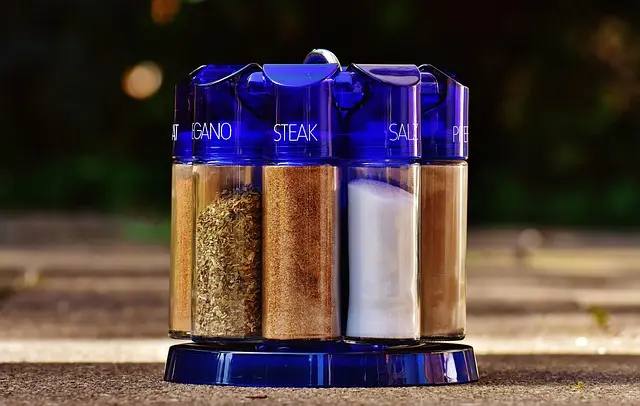
Salt is often referred to as the essence of flavor in cooking. It not only enhances taste but also balances sweetness and bitterness, making it an indispensable ingredient in every chef's arsenal. According to a study published in the Journal of Culinary Science & Technology, dishes seasoned with proper salt can taste more flavorful and complex. When using salt, it's essential to choose the right kind—kosher salt, sea salt, and table salt all have their unique properties. For instance, kosher salt is excellent for seasoning meats due to its flakiness and purity, while table salt can be used for more delicate dishes due to its fine granules. Tip: Always taste your food as you cook to find the perfect salt balance.
Olive Oil: Liquid Gold
Olive oil is more than just a cooking medium; it contributes flavor, aids in cooking techniques, and offers health benefits. Available in extra virgin, virgin, and refined varieties, each type has its own usage and flavor profile. Extra virgin olive oil is ideal for dressings or drizzling over finished dishes, while refined olive oil works great for high-temperature cooking. According to the International Olive Council, olive oil contains antioxidants and healthy fats. When selecting olive oil, consider factors such as taste and origin. Tip: Experiment with different types of olive oil to understand their distinct flavors better.
Garlic: The Aromatic Powerhouse
Garlic is a beloved ingredient among chefs worldwide for its robust flavor and versatility. It can be used fresh, roasted, or as a powder, each method offering a different intensity of flavor. Studies show that consuming garlic may also have health benefits, such as supporting heart health and boosting the immune system. Garlic's flavor pairs beautifully with numerous dishes, from sautéed vegetables to marinades. Be cautious with garlic's strength—overcooking can lead to bitterness. Tip: Try using roasted garlic in mashed potatoes for a creamy, flavorful twist.
Herbs: Fresh vs. Dried
Herbs play a crucial role in elevating dishes, but understanding when to use fresh or dried varieties is vital. Fresh herbs like basil, parsley, and cilantro can provide a bright and vibrant taste, while dried herbs like oregano and thyme offer concentrated flavors. According to the Herbal Research Journal, the potency of dried herbs varies, often being stronger than their fresh counterparts. Proper storage also plays a crucial role in their longevity. Tip: For a culinary boost, add fresh herbs at the end of cooking to retain their flavor and nutrients.
Citrus: Brightness in Every Bite
Citrus fruits, such as lemons, limes, and oranges, impart a refreshing acidity that can uplift any dish. The combination of acid and brightness makes citrus an invaluable asset in cooking. Citrus can enhance marinades, sauces, and even desserts. A report from the Citrus Marketing Board reveals that dishes incorporating citrus tend to be more balanced and flavorful. Incorporating any citrus zest or juice can intensify flavor complexity. Tip: Add a splash of lemon juice to pasta dishes right before serving to bring them to life.
Vinegar: The Secret to Balance
Vinegar is a remarkable ingredient that can brighten flavors and balance richness. Different types of vinegar—balsamic, red wine, apple cider—each have distinct flavors and uses. For example, balsamic vinegar is excellent in marinades and dressings, while apple cider vinegar adds a mild tang to dishes. The versatility of vinegar makes it a staple in both cooking and preservation. According to the Institute of Food Technologists, vinegar's acidity can also enhance food safety by preventing bacterial growth. Tip: Consider using flavored vinegars, such as herb-infused, to add an extra layer of complexity to your dishes.
Spices: The Flavor Builders
Spices are essential for elevating the taste of your food. They bring warmth, depth, and character to your dishes. An important point to remember is that spices should be fresh for maximum flavor; stale spices can dull the taste. According to the American Spice Trade Association, the global spice market is projected to grow significantly, indicating an increase in culinary exploration. Learning to use spices effectively can transform ordinary ingredients into extraordinary meals. Tip: Invest in whole spices whenever possible, as they retain their potency longer than pre-ground varieties.
Butter: The Creamy Essential
Butter is a classic ingredient that adds richness and depth to many dishes. With its creamy texture, it can be utilized for sautéing, baking, and sauce-making. A recent analysis highlights that different types of butter—unsalted, salted, or clarified—each suit particular culinary tasks. For example, unsalted butter is preferred by bakers for precise control over salt content, while clarified butter or ghee is excellent for high-heat cooking. Tip: Brown butter, which develops a nutty flavor when cooked, can elevate sauces and baked goods.
Stock: The Base of Many Dishes
One of the fundamental building blocks in cooking is stock, providing the foundation for soups, sauces, and risottos. Homemade stock can enhance the flavor significantly compared to store-bought versions, as you can control the ingredients and seasoning. A survey by the Culinary Institute of America shows chefs highly value homemade stock for their dishes. Different types of stocks—chicken, beef, vegetable—provide unique flavors suitable for various cuisines. Tip: Consider making large batches of stock and freezing portions for quick access during cooking.
Sugar: More Than Just Sweetness
While sugar is primarily known for its sweetness, it plays multiple roles in cooking, such as enhancing flavor, balancing acidity, and aiding in browning. Types of sugar—granulated, brown, and powdered—offer varying characteristics for different recipes. Studies indicate that sugar can enhance flavors when used sparingly. Chefs often utilize sugar strategically, adding it to balance the acidity in sauces or to create caramelized textures. Tip: When baking, consider reducing sugar slightly to allow the natural flavors of your ingredients to shine.
📺 Pour aller plus loin :
Explore cooking techniques and tips with various ingredients by searching for: how to use ingredients in cooking 2026.
Checklist before cooking
- [ ] Gather all key ingredients.
- [ ] Understand the flavor profiles of each ingredient.
- [ ] Prepare fresh herbs as needed.
- [ ] Check the freshness of spices.
- [ ] Plan recipes that incorporate multiple key ingredients.
Glossaire
| Terme | Définition |
|---|---|
| Umami | Cinquième goût, souvent décrit comme «savoureux», présent dans de nombreux aliments comme les champignons et le soja. |
| Fermentation | Processus de conversion des sucres en alcool ou acides, utilisée dans des produits comme le yaourt et le pain. |
| Mijoter | Cuisson à feu doux pendant une période prolongée pour développer des saveurs complexes dans les plats. |
Quiz rapide :
> Quelle est l'importance de l'utilisation du sel en cuisine ?
> - A) Il rend le plat plus sucré.
> - B) Il améliore l'arôme des ingrédients.
> - C) Il est uniquement utilisé pour conserver les aliments.
> Réponse : B — Le sel équilibre et renforce les saveurs.
📺 Pour aller plus loin : how to use ingredients in cooking 2026 sur YouTube