Table of Contents (17 sections)
Introduction
Becoming a successful chef requires much more than just a passion for food. Aspiring chefs must develop a wide range of skills that will enable them to not only excel in the kitchen but also thrive in a competitive culinary environment. In this article, we will explore the ten key skills for aspiring chefs that will help them build a rewarding career in the culinary world.
Culinary Techniques
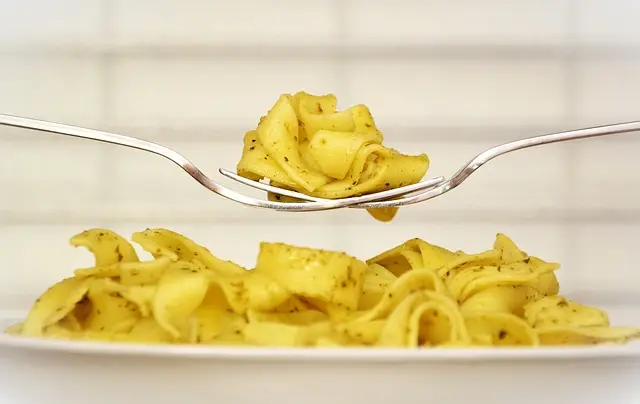
A solid foundation in various culinary techniques is essential for any chef. This foundational knowledge includes skills such as sautéing, braising, roasting, and baking. Understanding these techniques allows chefs to prepare a wide array of dishes and adapt recipes based on available ingredients.
Practicing techniques like sous-vide cooking can elevate a dish's flavor and presentation. Chefs should explore different cooking methods and practice regularly. Taking classes or participating in workshops can also help refine these essential techniques. According to studies, chefs proficient in diverse culinary methods report greater job satisfaction and creativity in their cooking.
Knife Skills
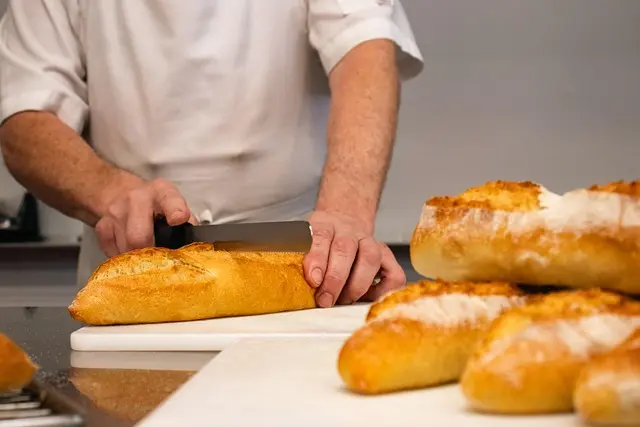
Knife skills are fundamental for any aspiring chef. Precision in chopping, dicing, and filleting not only enhances the visual aesthetic of dishes but also improves cooking efficiency. Proper knife handling reduces the risk of injury and contributes to kitchen safety.
A great way to practice knife skills is through consistent repetition and by using different types of knives. Chefs should also learn how to maintain their knives, including sharpening and appropriate storage techniques. Mastering these skills can dramatically cut down prep time, allowing chefs to focus on the creative aspects of cooking.
Food Safety and Sanitation
Food safety and sanitation are pivotal in the culinary profession. Understanding the importance of hygiene standards not only protects the health of customers but also minimizes food waste and prevents foodborne illnesses.
Websites like the CDC provide guidelines for safe food handling. Aspiring chefs must learn about food storage temperatures, cross-contamination prevention steps, and proper cleaning protocols. Moreover, obtaining ServSafe certification can enhance a chef's credibility and employability in the industry.
Menu Planning and Costing
Menu planning and costing are critical business skills for chefs, especially those looking to manage their restaurants or kitchen teams. Understanding how to create balanced menus while considering seasonal ingredients helps in creating dishes that sell.
Additionally, chefs must learn how to calculate food costs and pricing effectively, ensuring profitability. Effective use of software tools can also streamline menu planning processes. A survey of culinary school graduates revealed that chefs with strong menu planning skills saw significantly higher revenue in their establishments.
Creativity and Innovation
The ability to bring creativity and innovation into the kitchen can set a chef apart. Experimenting with flavors, textures, and presentations can lead to unique dishes that captivate diners. Chefs should be encouraged to explore world cuisines and incorporate diverse ingredients into their cooking.
Regularly attending food festivals and participating in culinary competitions can stimulate innovative ideas. Chefs who foster a creative mindset are often more adaptable to trends and can elevate a restaurant’s profile, potentially increasing its customer base.
Time Management
Time management is a crucial skill for chefs, particularly during busy kitchen hours. Efficiently managing prep time and multitasking is essential to meet customer demands. One way to improve this skill is through mise en place, a French term meaning “everything in its place.”
Organizing ingredients and tools before cooking not only creates a smoother workflow but also minimizes errors. Aspiring chefs should practice prioritizing tasks during service and develop their own system for managing time effectively.
Communication Skills
In a bustling kitchen, communication skills are vital for successful teamwork. Chefs must be able to communicate effectively with their staff, from line cooks to front-of-house teams. Clear communication ensures that orders are executed correctly and efficiently.
Participating in team-building exercises can help develop these skills. Regular meetings and debriefs can also foster a culture of open communication, allowing chefs to provide feedback and improve morale in the kitchen. Studies have shown that kitchens with strong communication practices experience fewer errors and higher employee satisfaction.
Adaptability and Problem Solving
Adaptability and problem-solving skills are essential for any chef. The culinary world is dynamic, with menu changes, ingredient shortages, and customer preferences continuously evolving. Chefs must be prepared to adapt to changes quickly and think on their feet.
Creatively resolving issues, such as reworking a recipe when a key ingredient is missing, can demonstrate a chef’s ingenuity. Embracing challenges can lead to professional growth and improve resilience. Developing a mindset that views challenges as opportunities rather than setbacks is a crucial aspect of being a successful chef.
Leadership Skills
For those aspiring to manage a kitchen, strong leadership skills are necessary. A great chef leads by example, inspires their team, and promotes a positive work culture. Leadership encompasses not just organizational skills but also emotional intelligence—knowing how to motivate and mentor team members effectively.
Taking courses in management or mentorship can enhance these skills. Chefs should aim to cultivate a supportive environment where every team member feels valued, as research indicates that employee satisfaction leads to better customer service and higher restaurant success rates.
Networking
Building a strong network is a vital skill for aspiring chefs. Networking can open doors to job opportunities, mentorship, and collaborative partnerships. Chefs should attend culinary events, participate in culinary associations, and connect with other food industry professionals.
Social media platforms, such as Instagram and LinkedIn, can also play a crucial role in building an online presence. Engaging with peers and sharing culinary creations can foster relationships that may enhance career opportunities for aspiring chefs.
Conclusion
Aspiring chefs must cultivate a diverse skill set to navigate the complexities of the culinary world. From mastering culinary techniques to building effective communication and leadership skills, these abilities will not only help them succeed in their careers but also keep the passion for food alive.
💡 Expert Insight: Many successful chefs emphasize the importance of continual learning. “Stay curious and keep experimenting; that’s the key to culinary success.”
📺 For Further Learning:
[10 Cooking Techniques Every Chef Should Master], a comprehensive analysis of essential cooking skills. Search on YouTube: "essential cooking techniques".
Glossary
| Term | Definition |
|---|---|
| Mise en place | A French culinary phrase meaning "everything in its place," it refers to the setup required before cooking. |
| Sous-vide | A cooking method where food is vacuum-sealed and cooked at a precise low temperature for an extended time. |
| Cross-contamination | The process by which bacteria or other microorganisms are unintentionally transferred from one substance to another. |
Checklist for Aspiring Chefs
- [ ] Master essential culinary techniques.
- [ ] Enhance your knife skills.
- [ ] Gain knowledge of food safety standards.
- [ ] Learn menu planning and costing strategies.
- [ ] Foster creativity in your cooking.
- [ ] Practice effective time management.
- [ ] Improve communication with team members.
- [ ] Develop adaptability and problem-solving skills.
- [ ] Cultivate leadership abilities.
- [ ] Build a network within the culinary community.
🧠 Quick Quiz
> What is the key benefit of mastering knife skills in the kitchen?
> - A) Enhanced presentation of dishes
> - B) Increased cooking time
> - C) Less need for practice
> Answer: A — Mastering knife skills improves preparation efficiency and dish aesthetics.
📺 Pour aller plus loin : essential cooking techniques for aspiring chefs sur YouTube