Table of Contents (15 sections)
Becoming a successful chef requires more than just passion for cooking; it necessitates mastering a broad set of skills to thrive in the culinary world. Skills for aspiring chefs encompass technical abilities, creativity, and interpersonal skills, all critical to excel in a fast-paced kitchen environment. This article outlines 10 key skills every aspiring chef should focus on to build a successful culinary career.
1. Culinary Techniques
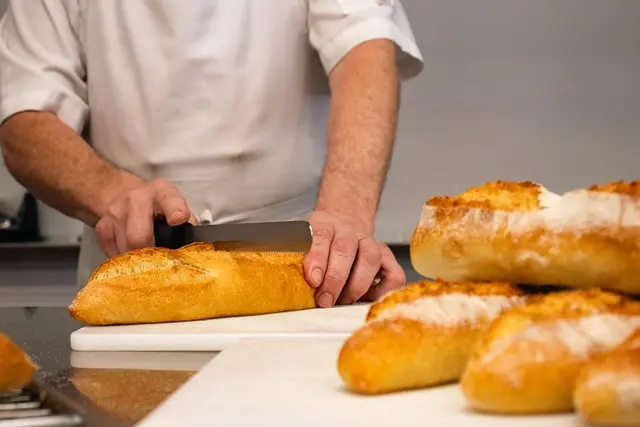
One of the foundational skills for aspiring chefs is mastering fundamental culinary techniques. These include knife skills, cooking methods (like sautéing, steaming, and braising), and food preparation techniques. For instance, knife skills allow you to precisely chop vegetables or herbs, which not only improves presentation but also affects the cooking time and flavor profiles of dishes. Techniques such as sous-vide cooking are increasingly popular and can elevate meals to gourmet levels, supporting a chef's repertoire in professional kitchens.
2. Flavor Composition
Understanding how to balance flavors is a crucial skill for chefs. This involves knowing how to combine ingredients to create harmonious dishes. For example, balancing sweetness with acidity can enhance a dessert or bring out the flavors in a savory dish. Learning about herbs, spices, and how they interact with different ingredients is essential. According to culinary experts, successful chefs often experiment with flavor combinations, learning which pairings work well together.
3. Ingredient Knowledge
An aspiring chef must have a thorough understanding of various ingredients, including how to select, store, and utilize them. This includes knowledge about seasonal produce, the varieties of meats, and different grains. For example, knowing that heirloom tomatoes burst with flavor in the summer can shape your menu choices. Additionally, being aware of quality indicators helps chefs maintain high culinary standards.
4. Time Management
In the kitchen, time management is critical. Aspiring chefs should learn how to prioritize tasks efficiently, especially when preparing multiple dishes simultaneously. Techniques such as mise en place—having everything prepared and in place before cooking—are valuable. A study from the American Culinary Federation (2025) highlighted that chefs who excel in time management significantly reduce kitchen pressure and improve overall productivity.
5. Creativity
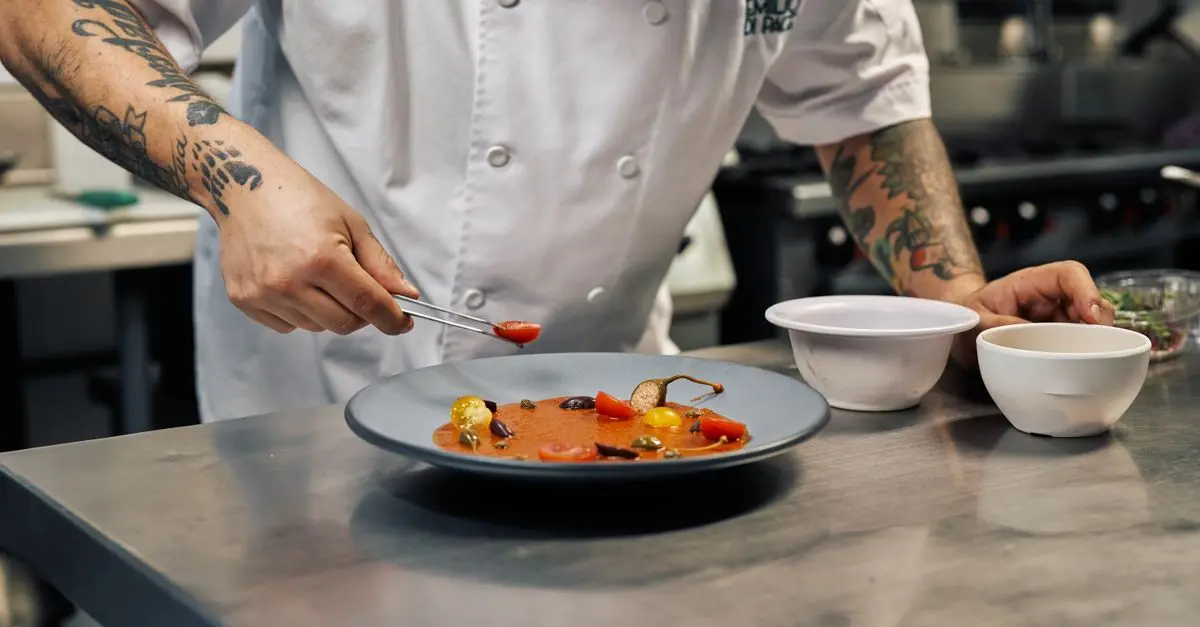
Creativity is at the heart of culinary arts. Aspiring chefs should focus on developing their ability to innovate and create new dishes. This can be inspired by seasonal ingredients, international cuisines, or even personal experiences. For instance, experimenting with fusion cuisine—combining elements from different culinary traditions—can lead to unique signature dishes that set a chef apart. Creativity also involves plating and presentation, which are crucial for the dining experience.
6. Sanitation and Food Safety
Knowledge of sanitation and food safety practices is imperative for any chef. This includes understanding safe food handling, preventing cross-contamination, and adhering to local health regulations. A survey by the National Restaurant Association found that 85% of foodborne illnesses are preventable through proper practices. Aspiring chefs should get certified in food handling to ensure a safe kitchen environment.
7. Customer Service Skills
As a chef, especially in a restaurant setting, having customer service skills can enhance the dining experience for patrons. This includes communication, professionalism, and the ability to handle customer feedback gracefully. For example, when clients voice preferences or complaints, a chef's ability to respond with empathy can foster customer loyalty and enhance the establishment's reputation.
8. Business Acumen
Understanding the business side of culinary arts is essential for aspiring chefs, particularly for those looking to open their own establishments. Skills such as budgeting, menu pricing, and inventory management are key. According to the U.S. Bureau of Labor Statistics, around 30% of new restaurants fail within the first year due to poor financial management. Aspiring chefs should consider taking courses in restaurant management to gain these skills.
9. Adaptability
The culinary industry is constantly evolving, and chefs must be able to adapt to changing trends, dietary preferences, and shifts in consumer behavior. For example, the rise in plant-based diets has influenced many professional kitchens to redesign their menus. Aspiring chefs should stay informed about culinary trends and be flexible enough to incorporate them into their practices.
10. Teamwork
Finally, the ability to work as part of a team is vital in a kitchen environment. Every shift involves collaboration with other chefs, line cooks, and serving staff. Aspiring chefs should focus on developing strong communication skills and learning to appreciate different roles within the kitchen. Team-building exercises can foster a collaborative spirit, which can lead to increased efficiency and a positive workplace culture.
📺 Resource Vidéo
> 📺 For further exploration: Mastering culinary skills: Essential techniques and tips for aspiring chefs, a thorough analysis of essential skills for chefs. Search on YouTube: skills for aspiring chefs 2026.
Glossaire
| Terme | Définition |
|---|---|
| Mise en place | Terme français signifiant 'tout à sa place', une technique qui consiste à préparer et organiser tous les ingrédients avant de commencer à cuisiner. |
| Fuseau horaire | Les heures séparant différents endroits, important à considérer lors de la planification des menus pour des événements particuliers. |
| Fusion Cuisine | Un style culinaire qui combine des éléments de différentes traditions culinaires pour créer de nouvelles saveurs et plats. |
Checklist avant achat
- [ ] Maîtriser les techniques culinaires de base.
- [ ] S'assurer d'une bonne compréhension des combinaisons de saveurs.
- [ ] Connaitre les ingrédients et leur utilisation optimale.
- [ ] Pratiquer la gestion efficace du temps en cuisine.
- [ ] Développer des compétences en service à la clientèle.
Conclusion
En somme, pour exceller en tant que chef, il est vital de maîtriser ces compétences essentielles. Que ce soit par l'éducation formelle, des stages en cuisine, ou l'apprentissage autodidacte, ces compétences fourniront une base solide pour toute carrière culinaire. N'oubliez pas de continuer à vous former et à innover, car la cuisine est un art en constante évolution. Prêt à commencer votre parcours culinaire ? Explorez ces compétences et commencez à créer dès aujourd'hui !
📺 Pour aller plus loin : skills for aspiring chefs 2026 sur YouTube