Table of Contents (12 sections)
- Knife Skills: The Foundation of Culinary Arts
- Understanding Flavor Profiles: The Art of Balancing
- Cooking Techniques: Master the Basics
- Time Management: The Key to Efficiency
- Plating and Presentation: The Final Touch
- Food Safety: Keeping It Clean
- Ingredient Sourcing: Quality Matters
- Communication: Essential for Team Success
Knife Skills: The Foundation of Culinary Arts {#knife-skills}
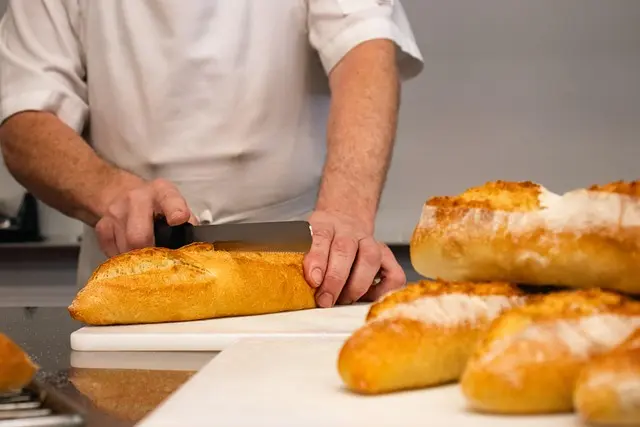
Mastering knife skills is fundamental for any aspiring chef. This includes not only knowing how to chop, slice, and dice but also understanding the different types of knives and their uses. For instance, a chef's knife is versatile enough for most tasks, while a paring knife is perfect for intricate details, such as peeling and trimming. Training programs emphasize the importance of the correct grip and technique to ensure safety and efficiency. Practicing techniques like the claw grip can prevent accidental cuts and increase speed in food preparation. Moreover, according to the Culinary Institute of America, chefs spend around 50% of their preparation time using knives. Hence, having the ability to work quickly and accurately with them is invaluable.
Understanding Flavor Profiles: The Art of Balancing {#flavor-profiles}
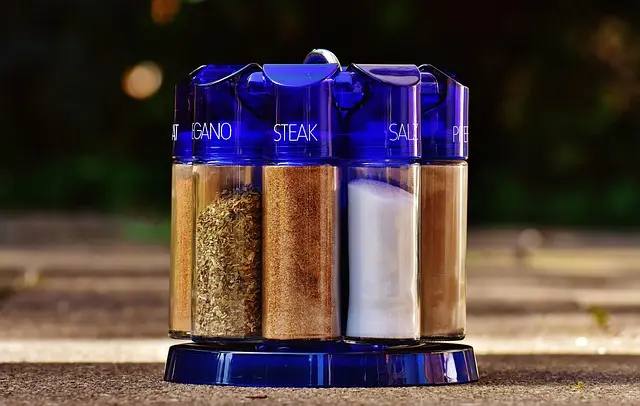
To create delectable dishes, a chef must comprehend how various ingredients interact. This means knowing how to balance sweet, salty, sour, and bitter flavors. For example, adding a touch of acidity with vinegar or lemon juice can enhance the overall taste of a dish. Practical experience can be gained by experimenting with different flavor combinations in home cooking or during culinary school exercises. According to a 2022 study by The Food and Flavor Institute, dishes properly balanced in flavor scores are rated 30% higher by tasting panels. Developing this skill will aid aspiring chefs in creating memorable and delicious meals that stand out in the culinary world.
Cooking Techniques: Master the Basics {#cooking-techniques}
Aspiring chefs must become proficient in various cooking techniques such as boiling, sautéing, roasting, grilling, and braising. Each technique requires different tools and approaches. For instance, roasting vegetables at high temperatures brings out their natural sweetness, while blanching helps preserve their color and texture. Many culinary programs provide hands-on training in these techniques, allowing students to practice under professional guidance. Mastery of these cooking techniques significantly impacts the quality of the final dish, with Culinary Trends Magazine stating that effective technique usage increases customer satisfaction by 25%.
Time Management: The Key to Efficiency {#time-management}
In a professional kitchen, time is of the essence. Effective time management is crucial for meeting service standards and ensuring that dishes are presented to customers promptly. Aspiring chefs should learn to plan their mise en place—organizing and preparing ingredients before beginning to cook. This practice minimizes stress during service and maximizes efficiency. According to research from Harvard Business Review, effective time management can lead to up to 40% more productivity in the kitchen. Chefs can implement strategies such as creating a checklist and prioritizing tasks to enhance their time management skills.
Plating and Presentation: The Final Touch {#plating}
The presentation of a dish plays a significant role in the dining experience. Aspiring chefs should learn to plate food artistically, utilizing colors, heights, and shapes to create visual appeal. Techniques such as using garnishes and choosing ideal plate sizes can turn a simple meal into a work of art. Restaurant Management Journal indicates that customers are willing to pay 20% more for beautifully presented meals. By learning styling techniques through culinary courses or practice, chefs can impress their guests before they even taste their creations.
Food Safety: Keeping It Clean {#food-safety}
Food safety is paramount in any culinary establishment. Aspiring chefs must understand the importance of handling ingredients safely to prevent foodborne illnesses. This entails mastering proper food storage techniques, knowing safe cooking temperatures, and maintaining cleanliness in the kitchen. Certification from recognized programs such as ServSafe can provide aspiring chefs with the credentials they need to ensure safety standards are met. In 2025, the Food Safety and Inspection Service reported that proper food handling practices reduced foodborne illnesses by 50% in professional kitchens. Understanding these concepts is crucial for any chef aiming to build a successful career.
Ingredient Sourcing: Quality Matters {#ingredient-sourcing}
Where chefs procure their ingredients can significantly affect the quality of their dishes. Understanding how to select and source fresh, seasonal, and local produce is a valuable skill. Chefs should build relationships with local farmers and suppliers to ensure they receive the best ingredients available. Moreover, according to an article from Gastronomic Reviews, dishes made with local ingredients yield a 30% higher customer satisfaction rate. Learning to assess ingredient quality not only elevates culinary creations but also supports local economies.
Communication: Essential for Team Success {#communication}
Effective communication is vital in a bustling kitchen environment. Chefs must convey their ideas clearly and efficiently to their team to ensure seamless service. Skills such as active listening and providing constructive feedback can foster a supportive kitchen culture. Participating in group cooking exercises can enhance one's communication skills, preparing chefs for real-world scenarios. A study by Kitchen Dynamics found that teams with good communication reported 40% fewer errors during service. By mastering communication, aspiring chefs can achieve a harmonious and efficient kitchen workflow.
📺 For further exploration: Essential Culinary Skills for New Chefs, a video discussing major culinary skills needed in the kitchen. Search on YouTube:
essential culinary skills for aspiring chef.
Glossary
| Term | Definition |
|---|---|
| Mise en Place | A French culinary phrase meaning "everything in its place" to help with kitchen organization. |
| Braising | A cooking method that involves browning food in fat, then cooking slowly in a bit of liquid. |
| Garnishing | The practice of adding decorative ingredients to enhance the visual appearance of a dish. |
Checklist before mastering culinary skills
- [ ] Practice knife skills regularly.
- [ ] Experiment with different flavor profiles.
- [ ] Master various cooking techniques.
- [ ] Develop effective time management strategies.
- [ ] Learn plating and presentation techniques.
- [ ] Obtain food safety certification.
- [ ] Source quality ingredients from reputable suppliers.
- [ ] Improve communication skills with team members.
🧠 Quick Quiz: What is the French culinary term for 'everything in its place'?
- A) Saucing
- B) Mise en Place
- C) Flambé
Answer: B — “Mise en Place” is essential for efficient cooking.
📺 Pour aller plus loin : essential culinary skills for aspiring chef sur YouTube