Table of Contents (12 sections)
Cooking is an art and a science, and mastering essential cooking techniques is vital for any aspiring chef. Whether you’re honing your skills in a professional kitchen or simply aiming to enhance your home cooking, understanding these foundational skills will pave the way to culinary excellence. In this article, we will delve into the must-have cooking techniques that every aspiring chef should master.
1. Knife Skills: The Foundation of Cooking
Having strong knife skills is one of the cornerstones of proficient cooking. Moreover, these skills are not only about chopping vegetables; they also ensure safety and efficiency in the kitchen. Aspiring chefs should become familiar with the proper way to hold a knife, the various types of knives, and the different cuts, such as julienne, dice, and chiffonade. Taking knife skills to the next level can involve enrolling in a local culinary school or following online tutorials. A study by the Culinary Institute of America highlights that chefs with advanced knife skills can complete tasks up to 30% faster than those with basic skills. Practicing meticulously will enhance your control and speed, making for a more efficient cooking process.
2. Understanding Cooking Methods: Dry vs. Moist Heat
Cooking techniques can generally be categorized into dry and moist heat methods. Dry heat cooking includes techniques such as roasting and grilling, which rely on hot air or direct heat. Moist heat methods, including boiling and steaming, involve the use of water or steam for cooking food. Aspiring chefs should understand these methods' differences and best use cases for each. For example, dry cooking is perfect for meats like steak, enhancing their flavor and texture, while moist cooking methods are great for vegetables, preserving their nutrients. By mastering both types, chefs can create a variety of dishes that cater to different preferences and dietary needs.
3. Mastering Sautéing: A Quick and Essential Technique
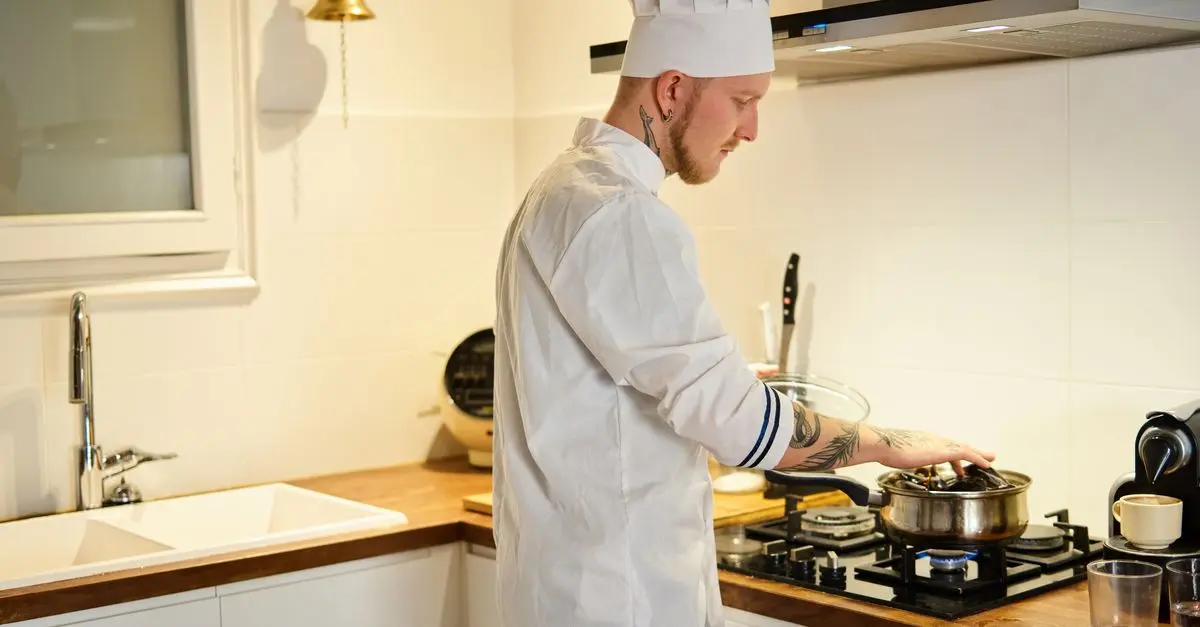
Sautéing is a quick cooking method that involves cooking food in a small amount of oil or fat over relatively high heat. It allows you to cook vegetables, meats, and seafood rapidly while maintaining moisture and flavor. Here’s how to sauté like a pro: choose a skillet with a heavy bottom to evenly distribute heat; heat the oil until it shimmers; add food in small batches to avoid overcrowding; and keep the food moving to achieve an even cook. This technique not only quickens cooking time but also enhances the natural flavors of the ingredients. According to ResearchGate, properly sautéing vegetables can boost their flavor profile by up to 50%.
4. Baking: Science Meets Art
Baking is a specialized cooking technique that turns raw ingredients into exquisite baked goods or meals through the magic of heat. Understanding measurements and the chemical reactions behind ingredients is crucial for successful baking. Aspiring bakers should familiarize themselves with baking temperatures, types of ovens, and the importance of ingredient balance. It’s often recommended to follow recipes precisely, especially for delicate baked goods like soufflés and cakes. The USA Baker’s Association notes that 70% of baking failures arise from inaccuracies in ingredient measurements, emphasizing the importance of precision.
5. Embracing Sous Vide: The Modern Technique
Sous vide, a technique where food is vacuum-sealed and cooked in a water bath at precise temperatures, is becoming increasingly popular among professional chefs. This modern method allows for maximum flavor retention and perfectly cooked textures. To start, you will need a sous vide machine. After seasoning your ingredients and sealing them in a bag, set the sous vide cooker to your desired temperature, usually between 120°F to 190°F, depending on the food. The Sous Vide Supreme reports that sous vide cooking leads to more tender and flavorful meals with significant juiciness preserved, especially in meats.
6. Grilling: Unlocking Flavor through Heat and Smoke
Grilling is another essential cooking technique that’s not only practical but also imparts unique flavors to dishes. While it may seem simple, good grilling requires a bit of finesse. Start by choosing the appropriate grill type—gas or charcoal—depending on your flavor preferences. For instance, charcoal grilling tends to give a smokier flavor profile, while gas offers convenience and control. Techniques such as marinating your proteins and preparing your grill adequately can significantly enhance the end flavor. A report by Grilling Magazine states that grilled foods retain around 30% of their original moisture, making them juicy and flavorful.
7. Roasting: Enhancing Natural Flavors
Roasting is a versatile technique that allows food to be cooked evenly while developing rich flavors through the Maillard reaction, a chemical reaction between amino acids and reducing sugars that give browned food its distinctive flavor. It’s essential for aspiring chefs to control oven temperatures and timing based on the type of food being roasted. Consider using a meat thermometer for proteins; the USDA recommends internal temperatures of 145°F for pork, 160°F for ground meat, and 165°F for poultry. Roasting vegetables with herbs and seasonings enhances their flavors significantly, with some estimates indicating that roasting can increase flavor intensity by 70%.
8. Plating: The Art of Presentation
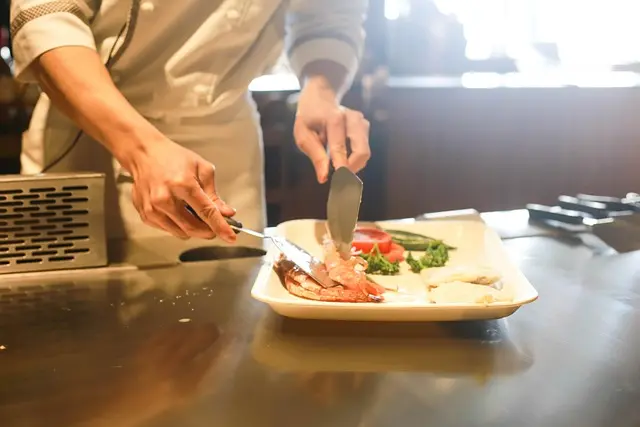
Once you have mastered the cooking techniques, the final step is to present your dish beautifully. Plating is not just about making a dish look appealing; it’s about creating an experience. Use contrasting colors and textures on the plate, and think about increasing height and layering ingredients. You can invest in plating tools or even learn from online tutorials to refine your skills. The importance of presentation cannot be understated, as studies show that well-plated dishes can enhance perceptions of flavor and increase diners’ satisfaction by up to 30%.
📺 Resources Video
> 📺 For a deeper dive: Essential Cooking Techniques for Beginners, a comprehensive tutorial covering basic cooking skills. Look it up on YouTube:
> essential cooking techniques for beginners
Glossary
| Term | Definition |
|---|---|
| Sautéing | A cooking method that uses a small amount of oil in a hot pan to cook food quickly. |
| Sous Vide | A modern cooking method where food is vacuum-sealed and cooked at precise temperatures in water. |
| Maillard Reaction | A chemical reaction that occurs when roasting, producing complex flavors and brown colors in food. |
Checklist for Aspiring Chefs
- [ ] Master basic knife skills.
- [ ] Learn the difference between dry and moist cooking methods.
- [ ] Practice sautéing with different types of vegetables and proteins.
- [ ] Experiment with baking entire recipes.
- [ ] Invest in a sous vide machine for experimental cooking.
- [ ] Explore various grilling techniques and flavor combinations.
- [ ] Perfect your roasting skills with meat and vegetables.
- [ ] Focus on creative plating skills for your dishes.
🧠 Quick Quiz: What is the primary benefit of sous vide cooking?
- A) Low-cost meals
- B) Maximum flavor retention
- C) Quick cooking time
Answer: B — Sous vide cooking maximizes flavor and moisture in food.
Mastering these essential cooking techniques for aspiring chefs ensures a solid culinary foundation. Developing these skills will not only enhance your cooking competence but also elevate your dishes, impressing family, friends, or even future diners. Dive into the world of cooking, and enjoy the journey towards becoming a skilled chef!
📺 Pour aller plus loin : essential cooking techniques for aspiring chefs sur YouTube