Table of Contents (14 sections)
As an aspiring chef, mastering fundamental cooking techniques is essential for your culinary journey. These techniques not only enhance the quality of your dishes but also build your confidence in the kitchen. Let's explore some of the most important cooking methods every chef should know, providing practical insights and examples to help you excel.
1. Sautéing: The Art of Quick Cooking
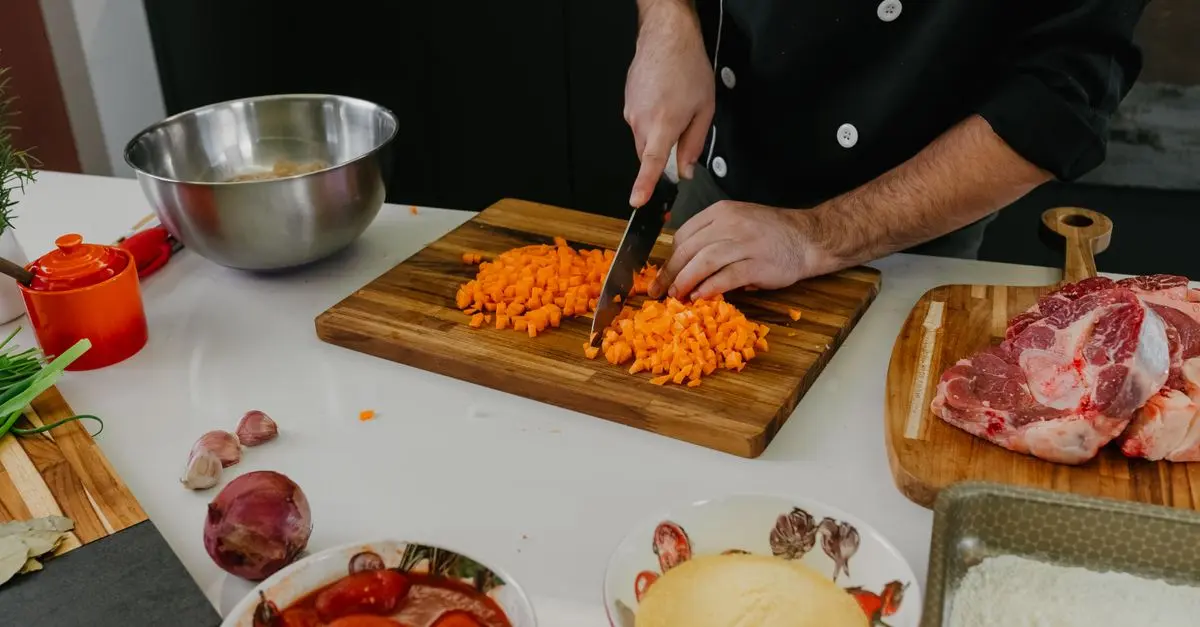
Sautéing is a fundamental cooking technique where food is cooked quickly in a small amount of fat over relatively high heat. This method is perfect for cooking vegetables, proteins, and even grains. For example, when sautéing onions and garlic, the high heat caramelizes the sugars in the ingredients, creating a depth of flavor. Additionally, it's crucial to keep the food moving in the pan to prevent it from sticking and to ensure even cooking. Mastering sautéing can significantly enhance the flavors in your dishes.
2. Roasting: Developing Rich Flavors
Roasting involves cooking food using dry heat, typically in an oven. This technique is particularly effective for vegetables, meats, and poultry. When you roast vegetables, the natural sugars caramelize, giving them a delicious sweetness. It's essential to toss the vegetables in oil and season them well before roasting. For meats, a good sear followed by roasting can help retain moisture while developing complex flavors. This is a technique utilized in many fine dining restaurants!
3. Baking: Precision in Cooking
Baking is both a science and an art. It requires precise measurements and attention to detail, enabling you to create magic in the form of bread, pastries, and cakes. A successful bake hinges on understanding how ingredients interact. For instance, knowing when to use baking soda versus baking powder can make or break your baked goods. Aspiring chefs should spend time understanding common baking techniques, experimenting with recipes, and even learning how to adjust for altitude in baking, as this can alter results significantly.
4. Grilling: Bringing Out Bold Flavors
Grilling imparts a unique flavor to food, thanks to the direct exposure to flames or heat. This technique is perfect for meats, seafood, and vegetables alike. Achieving a perfect grill mark adds to the presentation and hints at a flavorful crust while keeping the inside tender. It's important to choose the right grilling techniques, whether direct or indirect heat, depending on the food you're preparing. This method is particularly popular during summer months and can be used for outdoor events.
5. Braising: A Two-Step Technique
Braising combines cooking with both wet and dry methods. Initially, food is seared, and then slow-cooked in liquid, which allows flavors to meld and create a rich, tender result. This method is often used for tougher cuts of meat. For instance, braising a chuck roast in red wine results in a dish that’s not only flavorful but incredibly tender. Understanding the timing and temperature is key to perfecting this technique.
6. Steaming: The Healthy Approach
Steaming is one of the healthiest cooking methods, as it retains nutrients in the food that can be lost through boiling. Use a steamer basket over boiling water to cook vegetables, fish, or dumplings. Timing is vital to ensure that food isn't overcooked and loses its color and texture. It’s an excellent method for preparing meals that are high in vitamins and minerals, making this technique crucial for healthy eating.
7. Poaching: Gentle Cooking
Poaching involves cooking food gently in simmering liquid, such as water, broth, or wine, at lower temperatures. This allows flavors to develop without harsh cooking methods. For instance, poaching eggs results in a delicate texture that's perfect for dishes like Eggs Benedict. This technique is particularly useful for delicate proteins, like fish and poultry, ensuring that they remain moist and flavorful.
8. Sous Vide: Precise Temperature Control
Sous vide, which means "under vacuum" in French, is a modern cooking technique that involves sealing food in a vacuum bag and cooking it to a very precise temperature in a water bath. This method guarantees perfectly cooked food every time, retaining juices and enhancing flavors. Here's a quick tip: using a quality sous vide immersion circulator can make mastering this technique easier. Aspiring chefs can experiment with various flavors and cooking times to achieve their desired results.
Comparative Overview of Cooking Techniques
| Technique | Description | Ideal For | Key Benefit |
|---|---|---|---|
| Sautéing | Quick cooking in fat | Vegetables, proteins | Quick flavor enhancement |
| Roasting | Dry heat cooking in the oven | Meats, vegetables | Develops rich flavors |
| Baking | Precise temperature and timing | Breads, pastries | Consistency and texture |
| Grilling | Direct heat cooking | Meats, seafood | Unique flavor profile |
| Braising | Combination of dry and wet cooking | Tough cuts of meat | Tenderizes meat |
| Steaming | Cooking with steam | Vegetables, fish | Nutrient retention |
| Poaching | Gentle cooking in liquid | Eggs, delicate proteins | Moist and tender results |
| Sous Vide | Precise temperature cooking in water | Proteins and vegetables | Consistent doneness |
- What is the best cooking technique for beginners?
The sautéing method is great for beginners; it helps develop essential skills in timing and flavor creation.
- Can I combine different cooking techniques?
Absolutely! Many dishes use a combination of techniques, such as searing meat before braising it.
- How do I know when food is properly cooked using different techniques?
Using a meat thermometer is a reliable way to ensure meats are cooked to safe temperatures. Visual cues like color and texture also provide insights.
- Is there a cooking technique that is healthier than others?
Steaming is often considered the healthiest since it preserves nutrients and requires no added fats.
Glossaire
| Terme | Définition |
|---|---|
| Sautéing | Cooking food quickly in a small amount of fat. |
| Braising | Cooking food first by searing and then slow-cooking in liquid. |
| Sous Vide | Cooking food sealed in a vacuum bag at a precise temperature.
Checklist before cooking
- [ ] Choose a cooking technique
- [ ] Gather all ingredients
- [ ] Prepare equipment and utensils
- [ ] Read the recipe thoroughly
- [ ] Set up cooking area to avoid clutter
📺 For further exploration: Explore various cooking techniques used by professional chefs. Search YouTube for: "cooking techniques for home chefs".
Remember, becoming a skilled chef requires practice and patience. Start with these techniques and gradually incorporate more complex methods as you become comfortable. Happy cooking!
Recommended Products
- - - ---
📺 Pour aller plus loin : cooking techniques for home chefs sur YouTube


Recommended products
Selected by our experts