Table of Contents (13 sections)
Becoming a successful chef requires more than just creativity; it demands a solid foundation of culinary skills that define one's abilities in the kitchen. Whether you aspire to work in a high-end restaurant or run your own culinary venture, mastering these essential skills will set you up for success. This article explores the vital skills every aspiring chef should master to thrive in the culinary world.
1. Mastering Knife Skills
One of the most fundamental skills for any chef is mastering knife skills. This includes not only how to handle a knife but also knowing which knife to use for specific tasks. For example, a chef's knife is ideal for slicing vegetables, while a paring knife is better for peeling fruits. According to research by the Culinary Institute of America, precision in chopping can significantly improve cooking efficiency and safety. Proper technique involves the grip, cutting motions, and maintaining a sharp blade. Practicing different cuts—like dice, julienne, and chiffonade—will enhance your preparation speed and enhance the presentation of your dishes.
2. Understanding Flavor Profiles
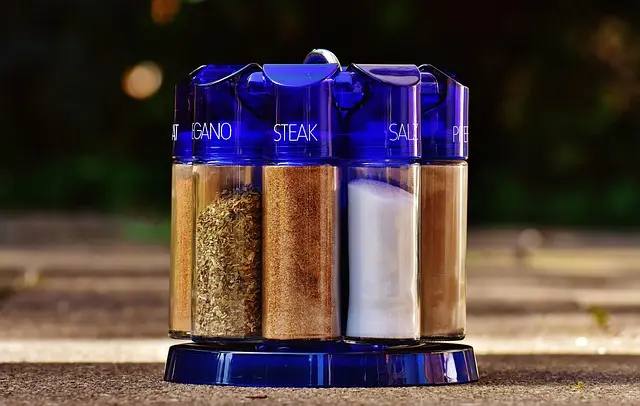
A successful chef knows how to balance flavors, and this skill often determines the quality of food produced. Understanding the five basic tastes—sweet, sour, salty, bitter, and umami—allows chefs to create dishes that are both harmonious and exciting. Experimental chef Ferran Adrià once mentioned that great cooking lies in understanding how these flavors interact. For aspiring chefs, experimenting with various herbs and spices can help develop a unique style. Keep a journal of successful flavor combinations to refine your palate.
3. Cooking Techniques 101
To become a chef, mastering various cooking techniques is essential. These include methods such as grilling, roasting, sautéing, and sous-vide. Each technique brings a different character to food, influencing both texture and flavor. For instance, sous-vide involves vacuum-sealing food and cooking it in a water bath at a controlled temperature, ensuring flavors enhance over time without overcooking the food. Attending cooking classes or watching tutorial videos can offer practical guidance on these methods and when to employ them in your kitchen.
4. Food Safety and Hygiene
In the culinary world, safety and hygiene cannot be overlooked. It’s critical for chefs to understand sanitation regulations and proper food handling techniques. The Centers for Disease Control and Prevention (CDC) highlights that proper cleaning, cooking, and storage of food can prevent foodborne illnesses. Aspiring chefs should familiarize themselves with concepts like cross-contamination and the importance of keeping a clean cooking environment. Obtaining food safety certifications could also give you a competitive edge in the job market.
5. Plating and Presentation Skills
The art of plating can transform a simple dish into a visually appealing masterpiece. Great chefs know that presentation involves more than just putting food on a plate; it’s about creating an experience. Techniques such as using negative space, color contrast, and garnishing with fresh herbs can elevate the appearance of your dishes. According to a study published in the Journal of Culinary Education, attractive dishes are perceived as tasting better, making this skill vital for chefs in any setting.
6. Ingredient Knowledge
Understanding the ingredients you work with is crucial for any aspiring chef. This includes knowledge about seasonal products, various cooking oils, and how different foods interact during cooking. For instance, knowing that acidic ingredients like lemon juice can brighten up dishes or how certain herbs can change a dish's profile completely can dictate the success of a meal. Regular trips to local markets or farms can help expand your ingredient knowledge and inspire seasonal menu ideas.
7. Time Management and Multi-tasking
In a bustling kitchen, the ability to manage time effectively is vital. Chefs are often required to prepare multiple dishes simultaneously. Mastering the art of multitasking can significantly impact service quality and efficiency. Planning prep work and prioritizing tasks by their cooking time can help create a smooth workflow. Techniques like the Mise en Place method, which emphasizes organizing your workspace before cooking, can streamline your efforts in a busy kitchen environment.
8. Communication and Teamwork
Finally, teamwork is paramount in any kitchen setting. Aspiring chefs must develop strong communication skills to collaborate effectively with their team. This includes not only conveying ideas but also understanding instructions from chefs and line cooks. According to feedback from various culinary institutions, those who excel in communication tend to thrive in high-pressure environments, paving the way for leadership roles.
📺 Resource Video
For a deeper dive into culinary techniques, check out the video "Essential Culinary Skills for Beginning Chefs" on YouTube. Search for: culinary skills for chefs 2026 for insightful visual guides.
Glossary
| Term | Definition |
|---|---|
| Mise en Place | French for "everything in its place", a fundamental cooking principle for organization. |
| Umami | A savory taste often associated with proteins and aged foods. |
| Sous-vide | A method of cooking in vacuum-sealed bags slowly in a water bath at precise temperatures. |
Checklist before starting your culinary journey
- [ ] Learn basic knife skills
- [ ] Experiment with flavor pairings
- [ ] Practice different cooking techniques
- [ ] Understand food safety regulations
- [ ] Develop plating techniques
- [ ] Familiarize with ingredient varieties
- [ ] Master time management strategies
- [ ] Build effective communication skills
Conclusion
By mastering these essential culinary skills, aspiring chefs can build a solid foundation for their careers. From knife skills to flavor understanding and effective communication, each element is crucial in the art of cooking. Start your journey today by improving these skills, and you will be well on your way to becoming a successful chef.
📺 Pour aller plus loin : culinary skills for chefs 2026 sur YouTube