Table of Contents (12 sections)
Salt: The Foundation of Flavor {#salt}
Salt is perhaps the most fundamental ingredient in any kitchen, acting not just as a seasoning but as a flavor enhancer that elevates dishes. It helps to bring out the natural flavors of other ingredients rather than dominating them. According to research from the American Culinary Federation, properly seasoned food can nearly double the enjoyment levels of diners. Understanding the different types of salts—table, sea, kosher, and Himalayan—allows chefs to select the right one for each preparation. For instance, coarse kosher salt is great for seasoning meats before grilling, while fine sea salt can be used for delicate dishes. Mastering salt can truly transform a dish from bland to spectacular.
Pepper: The Spice of Life {#pepper}
Black pepper is often referred to as the ‘king of spices’ and is one of the most commonly used spices worldwide. However, pepper can also come in white, green, and even red varieties, each offering unique flavors and uses. The Scoville scale rates black pepper’s heat level, and understanding this can help chefs compute the perfect spice level for any dish. Freshly cracked black pepper adds a robust flavor and aromatic quality that pre-ground varieties lack. Utilizing peppercorns in a mill allows for a fresher, more pungent expression in your meals. For a really effective utilization, pair it with sea salt to maximize the taste contrast.
Garlic: Aromatic All-Star {#garlic}
Garlic, with its remarkable flavor profile, is a must-have in any chef's arsenal. Known for its health benefits, garlic is rich in antioxidants and has anti-inflammatory properties. According to the National Institutes of Health, incorporating garlic into diets can help lower blood pressure and cholesterol levels. In culinary applications, it can be used raw, roasted, or sautéed to enhance dishes significantly. Roasting garlic provides a sweeter, mellower flavor ideal for sauces and spreads, while raw garlic offers a pungent kick perfect for dressings. Mastering techniques for garlic preparation, like peeling and mincing, can genuinely unlock its full potential in your cooking.
Olive Oil: Liquid Gold {#olive-oil}
Olive oil is more than just a cooking fat; it adds a distinct flavor and incredible health benefits. Extra virgin olive oil (EVOO) is considered the finest grade available, coming from the first pressing of olives. According to the International Olive Council, the flavor and quality of olive oil can vary greatly depending on the variety of olives and the region in which they grow. For sautéing, a lower-quality olive oil may suffice, but for salads or drizzling on finished dishes, EVOO’s vibrant taste shines through. Understanding the smoke points of different oils can also help prevent burning and enhance the cooking process. Always aim for high-quality oils for dressings, marinades, and finishing touches.
Onion: The Flavor Builder {#onion}
The versatile onion is often referred to as the backbone of savory dishes. Varieties such as yellow, white, red, and sweet (like Vidalia) onions each bring different flavor components to a meal. Cooking methods also influence their sweetness and texture—caramelized onions can introduce deep, rich flavors, while sautéed onions serve as a foundational flavor base for many cuisines. According to a 2025 study from the Culinary Institute of America, properly sautéing garlic and onions together forms a harmonious aromatic base that can drastically change a dish. Familiarizing yourself with the various preparations can open a world of possibilities in your kitchen.
Herbs: Freshness Amplified {#herbs}
Fresh herbs can elevate a dish, adding depth and freshness that dried counterparts cannot match. Common herbs like basil, cilantro, parsley, thyme, and rosemary should be staples in every culinary toolkit. A 2026 survey from the Herb Society of America revealed that dishes incorporating fresh herbs are more appealing and flavorful. For example, adding chopped fresh basil to a tomato salad not only enhances the taste but also brightens the dish visually. Learning when to add herbs during cooking—whether at the beginning to build flavor or at the end for freshness—can make a substantial difference in your culinary creations.
Vinegar: The Acidity that Balances {#vinegar}
Vinegar is essential for achieving balance in dishes. The acidity can brighten flavors and enhance freshness, especially in dressings and marinades. Different types of vinegar—balsamic, red wine, white wine, apple cider, and rice vinegar—offer nuanced flavor profiles that can define a dish's character. According to the Flavor Institute’s studies, balancing acidity in food can improve taste perception significantly. For instance, a splash of balsamic vinegar in a reduction can create an incredible depth of flavor. Understanding how to incorporate vinegar appropriately can be a game-changer for chefs trying to refine their dishes.
Butter: Richness on the Palette {#butter}
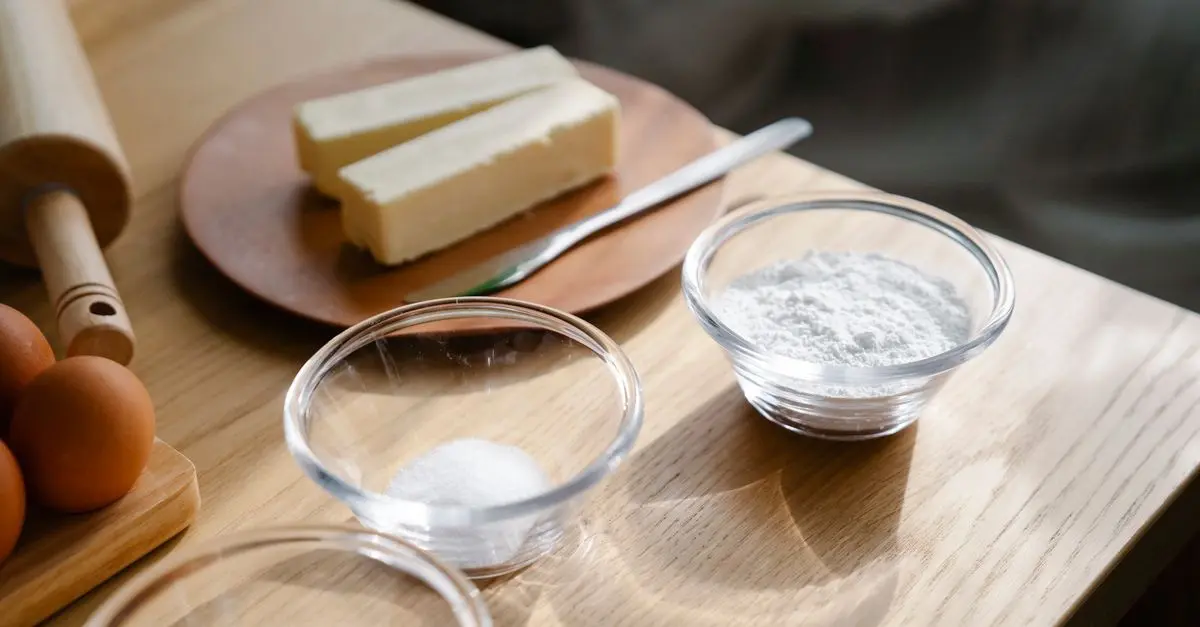
Butter adds a luxurious texture and rich flavor that oil alone cannot replicate. It is versatile and can be used for sautéing, baking, and as a finishing agent to sauces. When cooking with butter, understanding the difference between salted and unsalted varieties is critical; the latter allows for greater control in seasoning dishes. A standardized report from the Dairy Farmers of America indicates that using butter enhances the perceptions of flavor and mouthfeel in culinary dishes. Techniques like browning butter can add nutty flavors that elevate simple recipes. Mastering butter will certainly amplify your culinary prowess.
📺 For further exploration: Mastering Essential Cooking Techniques, a comprehensive breakdown of essential culinary practices. Search on YouTube: essential ingredients for chefs 2026.
Glossary
| Term | Definition |
|---|---|
| Extra Virgin Olive Oil | The highest quality olive oil, cold-pressed from fresh olives, known for its rich flavor. |
| Caramelization | The process of heating sugar, resulting in a complex flavor and deep color. |
| Emulsion | A mixture of two unblendable liquids, such as oil and vinegar, stabilized by an emulsifier. |
Checklist before cooking
- [ ] Ensure all ingredients are fresh
- [ ] Gather all necessary tools and equipment
- [ ] Measure and prepare ingredients beforehand
- [ ] Taste throughout the process for flavor adjustment
- [ ] Clean as you go to maintain a tidy workspace
🧠 Quick Quiz: Which ingredient is considered the king of spices?
- A) Sea Salt
- B) Black Pepper
- C) Garlic
Answer: B — Black Pepper is often called the 'king of spices.'
In conclusion, mastering these essential ingredients for chefs is crucial for anyone looking to elevate their culinary creations. By understanding their unique characteristics and appropriate uses, you can enhance both flavor and cooking techniques in your kitchen. Remember, the foundation of excellent cooking lies in selecting and mastering the right ingredients.
📺 Pour aller plus loin : essential ingredients for chefs 2026 sur YouTube