Table of Contents (10 sections)
Understanding the Culinary Landscape
As the culinary world continues to evolve, understanding the demands and expectations in this industry has never been more crucial. Cooking isn't just about preparing meals; it's about creating an experience. According to the National Restaurant Association, the culinary field is expanding, with expected job growth of 10% by 2026. This dynamic environment requires chefs to possess a mix of traditional cooking skills and new-age culinary techniques. For aspiring chefs, awareness of these trends and an ability to adapt is vital for success. Furthermore, sustainability has become a key aspect, with many chefs now focusing on eco-friendly practices to meet contemporary consumer expectations.
Technical Proficiency in Cooking
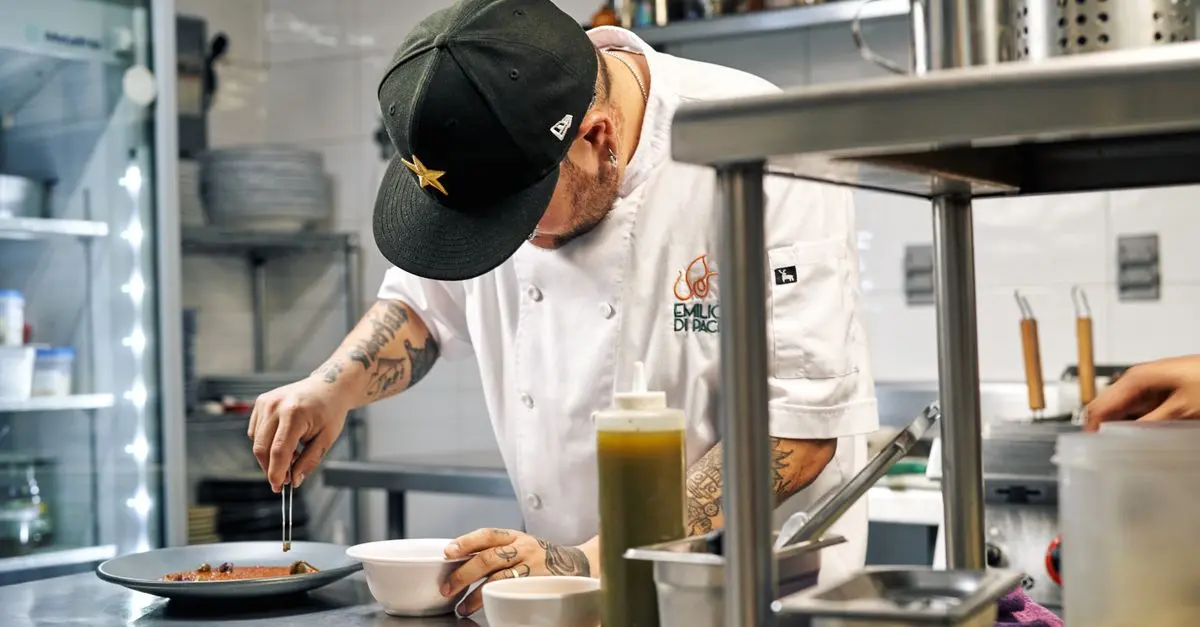
Cooking is an art, but it also requires precision and technicality. Chefs need to master the basic techniques, such as knife skills, sautéing, grilling, and baking. For instance, perfecting knife skills not only enhances the aesthetic appeal of dishes but also reduces waste. Professional chefs often say that a chef's knife is an extension of their hand. Culinary schools worldwide emphasize foundational skills that form the cornerstone of any cooking repertoire. Moreover, understanding flavors and pairings can elevate a dish from good to extraordinary.
💡 Avis d'expert : "Mastering basic techniques is the foundation for any great chef," says Gordon Ramsay, a renowned figure in culinary excellence. "Without fundamental know-how, innovation is impossible."
Creativity and Innovation in the Kitchen
In today's competitive culinary landscape, creativity sets chefs apart. The ability to innovate with ingredients and presentation is a skill that can define a chef's career. With global cuisines at our fingertips, chefs can draw inspiration from diverse culinary traditions, blending flavors in novel ways. Creativity isn't just about taste but involves the presentation that captivates diners' eyes before their taste buds. Chefs now use technology, such as molecular gastronomy, to push the boundaries of what's possible on a plate. This blend of artistry and science invites chefs to reimagine the conventional.
Interpersonal and Leadership Skills
Beyond the kitchen, chefs must develop strong interpersonal and leadership skills. Kitchens are high-paced environments that require teamwork and seamless communication. Being able to lead a team, manage conflicts, and delegate tasks are key responsibilities of a head chef. A study by the American Culinary Federation indicates that successful chefs often possess strong emotional intelligence, which contributes to effective team management and customer satisfaction. Building a productive work environment not only enhances team performance but also improves the dining experience.
Business Acumen and Management
Many chefs aspire to own their establishments where creativity can be fully expressed without limits. For this aspiration to become reality, chefs must understand the business side of culinary arts. This includes knowledge of finance, marketing, supply chain management, and customer service. The food industry, valued at over a trillion dollars annually in the U.S. alone, offers abundant opportunities for entrepreneurial chefs. Chefs must balance quality and cost to maintain profitability while ensuring high standards. According to the U.S. Bureau of Labor Statistics, financial management skills are crucial for sustaining business growth.
📺 Ressource Vidéo
> 📺 For further insights: Exploring Key Skills for Chefs in the Modern Kitchen, a deep dive into the essential qualities chefs need today. Search on YouTube: "essential chef skills 2026."
Comprehensive Comparative Analysis
| Skill Set | Importance Level | Required Expertise | Frequency of Use | Additional Info |
|---|---|---|---|---|
| Knife Skills | High | Expert | Daily | Reduces waste |
| Culinary Techniques | Medium | Advanced | Frequent | Elevates dishes |
| Creativity | High | Innovative | Variable | Sets apart chefs |
| Leadership | High | Managerial | Frequent | Enhances teamwork |
| Business Acumen | Medium | Analytical | Regular | Sustains growth |
- How can one develop strong cooking skills?
- Enrolling in culinary schools and hands-on practice in kitchens can develop strong cooking skills.
- Why is creativity important for chefs?
- Creativity helps chefs innovate with dishes, making them appealing and unique.
- What role does leadership play in a kitchen?
- Leadership ensures effective team management and smooth kitchen operations.
Checklist for Aspiring Chefs
- [ ] Master basic knife skills
- [ ] Develop a strong understanding of culinary techniques
- [ ] Cultivate creativity and innovation
- [ ] Improve interpersonal and leadership skills
- [ ] Gain business management knowledge
Glossary
| Term | Definition |
|---|---|
| Molecular Gastronomy | A sub-discipline of food science that seeks to bring scientific principles to food preparation. |
| Culinary Technique | Specific methods of cooking and preparing food. |
| Sustainability | Practice of using ingredients and resources to minimize environmental impact. |