Table of Contents (12 sections)
Introduction
Becoming a chef is not just about cooking; it's an art form that demands a variety of skills, dedication, and creativity. In this guide, we will delve into the essential skills for aspiring chefs that can pave the way to a successful culinary career. Whether you're starting as a home cook or considering professional training, these skills will set you apart in the competitive culinary landscape.
1. Culinary Techniques: The Foundation of Cooking
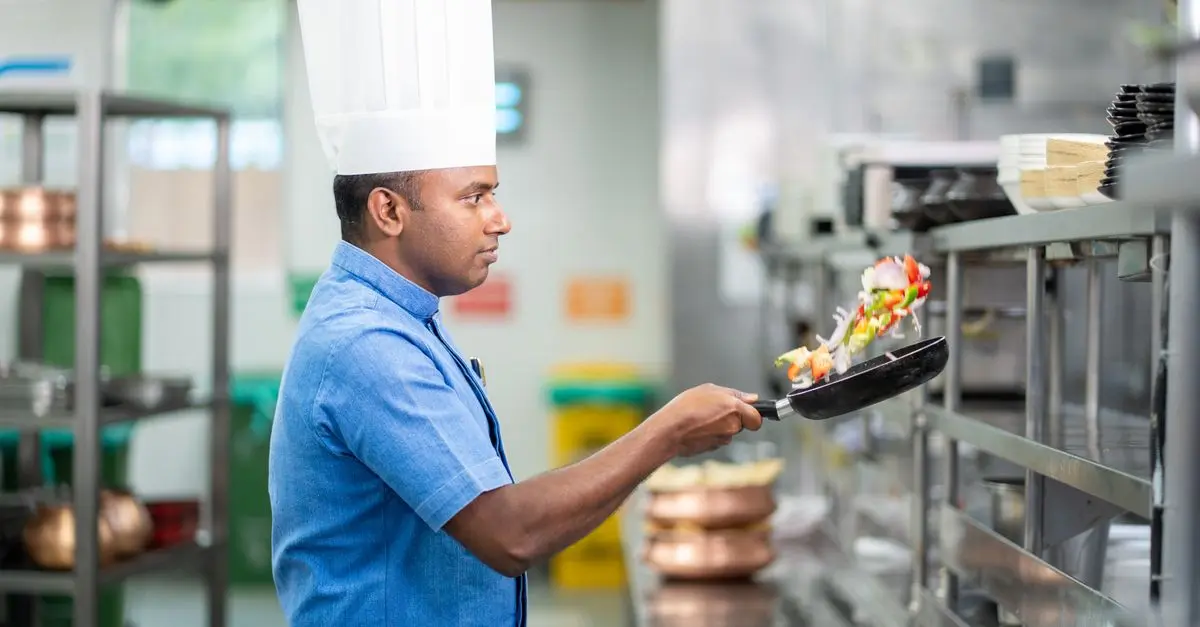
The first essential skill every aspiring chef must master is a strong grasp of culinary techniques. These techniques form the backbone of cooking and include methods such as chopping, sautéing, baking, and more. Understanding these techniques not only influences the quality of the final dish but also affects your efficiency in the kitchen.
For example, learning how to properly chop vegetables using techniques like dicing, julienne, and brunoise can drastically reduce prep time. According to a study from Culinary Institute of America, chefs who invest time in practicing these foundational skills report improved confidence and speed in their cooking. Continuous practice is key—consider establishing a dedicated practice schedule focusing on different culinary methods.
2. Flavor Profiling: Understanding Ingredients
Developing a palate for understanding flavors is vital. This skill enables chefs to create well-balanced dishes. Learning to combine different spices, herbs, and seasonings will allow you to transform basic ingredients into extraordinary meals. One common pitfall for aspiring chefs is the tendency to use recipes rigidly without experimenting.
Start by analyzing the flavors of dishes you already enjoy. Keeping a flavor journal can be incredibly helpful. Notate what combinations work well, what doesn't, and why certain contrasts bring harmony to a dish. For instance, balancing acidity with sweetness can elevate your cooking significantly. Don't shy away from making mistakes; they often lead to the best learning experiences.
3. Time Management: The Key to Efficiency
In a professional kitchen, time is of the essence. Aspiring chefs must refine their time management skills to juggle multiple tasks simultaneously. Effective time management can significantly streamline kitchen operations and reduce stress during service hours.
A common method for improving time management in the kitchen is the Mise en Place approach—having all ingredients prepared and organized before starting to cook. According to Chef Magazine, organizing your workspace and ingredients can improve efficiency by approximately 30%. Additionally, maintaining a checklist of tasks can help you focus and prioritize effectively during busy service periods.
4. Plating and Presentation: The Art of Visual Appeal
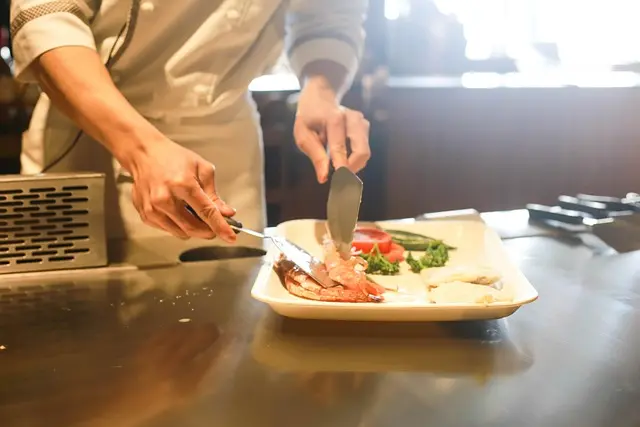
Presentation is a crucial aspect of culinary arts that often gets overlooked by beginners. Mastering plating techniques can elevate a simple dish into a gourmet experience. The visual appeal of food can influence diner's perceptions and enhance their overall dining experience.
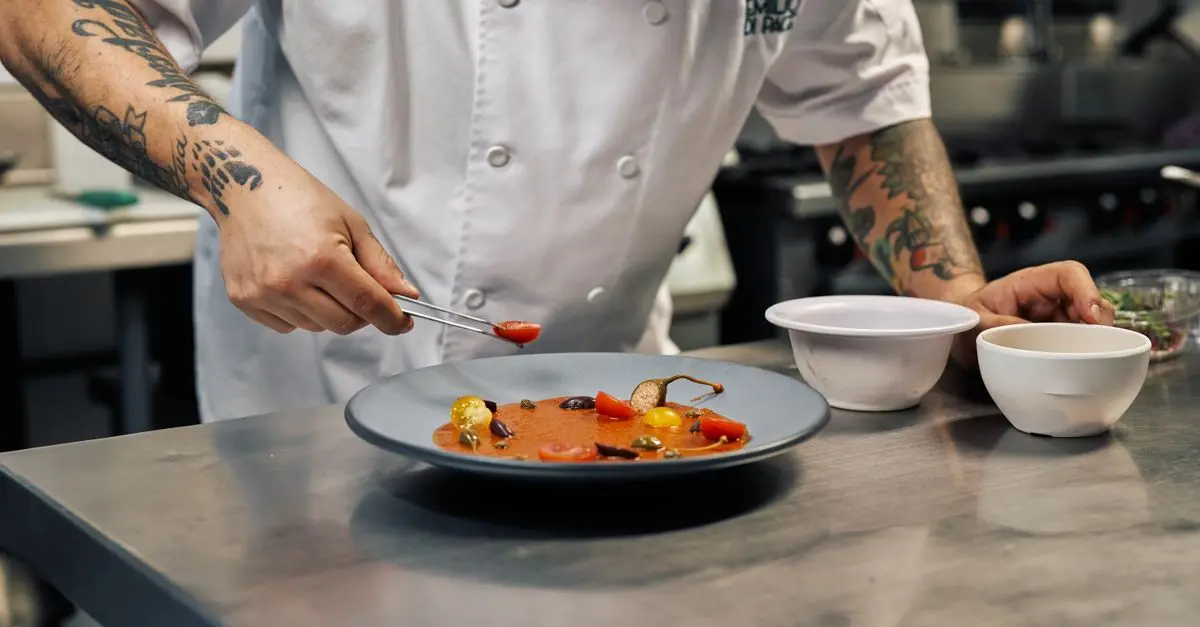
Learning how to use colors, textures, and shapes on a plate can make your dishes more enticing. Consider taking inspiration from art forms—like painting and sculpture—to enhance your presentation skills. According to the National Restaurant Association, beautiful presentations can increase guest satisfaction rates by up to 25%. Practice creating various plating styles and take feedback from friends or mentors to improve.
5. Understanding Nutrition and Dietary Restrictions
In today's culinary world, being knowledgeable about nutrition and understanding dietary restrictions are essential skills for aspiring chefs. With the rise of diverse diets—including veganism, gluten-free, and paleo—having this knowledge allows chefs to cater to a wider audience.
Start by studying basics of nutrition and familiarizing yourself with common dietary restrictions. In addition, keeping a collection of recipes tailored to these diets can be beneficial. A survey conducted by Food & Nutrition Magazine found that chefs who offer alternatives for dietary restrictions often retain customers longer. Understanding how to modify dishes without compromising flavor or presentation is invaluable.
Conclusion
Mastering these essential skills for aspiring chefs will help set you on a successful path in your culinary career. Remember that cooking is both an art and a science, and continual practice is vital to honing your skills.
Checklist before diving into culinary arts
- [ ] Master basic culinary techniques
- [ ] Experiment with flavor combinations
- [ ] Practice time management using Mise en Place
- [ ] Enhance plating and presentation skills
- [ ] Learn about nutrition and dietary restrictions
Glossary
| Term | Definition |
|---|---|
| Mise en Place | A French culinary phrase meaning "everything in its place", used for preparation. |
| Palate | A person's appreciation of taste and flavor, particularly when it comes to food. |
| Plating | The arrangement of food on a plate to enhance visual appeal. |
📺 For more insight:
Watch this video titled "Essential Skills Every Chef Must Master". Search on YouTube: "essential skills for aspiring chefs 2026".
🧠 Quick Quiz: What is the most essential skill for an aspiring chef?
- A) Time Management
- B) Understanding Flavors
- C) Plating
Answer: B — Mastery of flavors is crucial for creating delicious dishes.
📺 Pour aller plus loin : essential skills for aspiring chefs 2026 sur YouTube
À lire aussi
Recommended products
Selected by our experts
beautyblender Beautyblender Bounce Haus Essential Trio Gift Set, - None - Size: 0.31 Oz
kohls.com
Uplift Essentials Silicone T Shaped Eye Patch For Facial Skincare Silicone T Shaped Eye Patch For Facial Skincare
inspireuplift.com