Table of Contents (10 sections)
Embarking on the journey from home cook to professional chef is both exciting and challenging. Culinary arts offer vast opportunities for those who are passionate about food. However, transitioning into a professional kitchen requires dedication, skill, and a willingness to learn. In this guide, we will explore essential steps, common pitfalls, and the vital skills needed to thrive in a professional culinary environment.
Step 1: Understand What Being a Chef Entails
Transitioning from being a home cook to a professional chef means embracing the differences between the two environments. While home cooking offers flexibility and creativity, the professional kitchen demands precision and discipline. As a chef, you will be expected to adhere to established recipes and standards, ensuring consistency in every dish. It's vital to familiarize yourself with culinary terminology and techniques.
Why is this crucial? Understanding kitchen hierarchies and terminology prepares you for the realities of professional cooking. You should also explore various culinary styles, such as French, Italian, or Asian, to find where your passion lies. Furthermore, consider the pressures of serving a large number of customers, where timing and execution are key. Ultimately, being well-informed about the culinary world will give you a solid foundation to build your career on.
Step 2: Gain Practical Experience
To successfully transition, hands-on experience is invaluable. Consider enrolling in a formal culinary school, where you will learn critical cooking techniques and kitchen management. According to recent statistics, graduates have a much higher chance of securing a job in a professional kitchen than self-taught cooks. Culinary schools not only teach cooking skills but also provide networking opportunities and internships, which can be a foot in the door.
However, if formal education isn't an option for you, seeking job shadowing opportunities or internships at local restaurants can also provide practical knowledge. Volunteering at food events or community kitchens can further enhance your skills and showcase your commitment to cooking. Always be open to feedback, as it is a crucial part of growth in this field. Embrace constructive criticism as a means to develop your culinary skills.


Step 3: Build Your Culinary Skills
As you gain experience, you should focus on refining specific culinary skills. Mastering knife skills, cooking methods, and flavor pairings is essential. For example, cooking techniques like sautéing, grilling, and baking are fundamental. You could practice at home by replicating recipes that utilize these techniques, which will build your confidence in the kitchen.
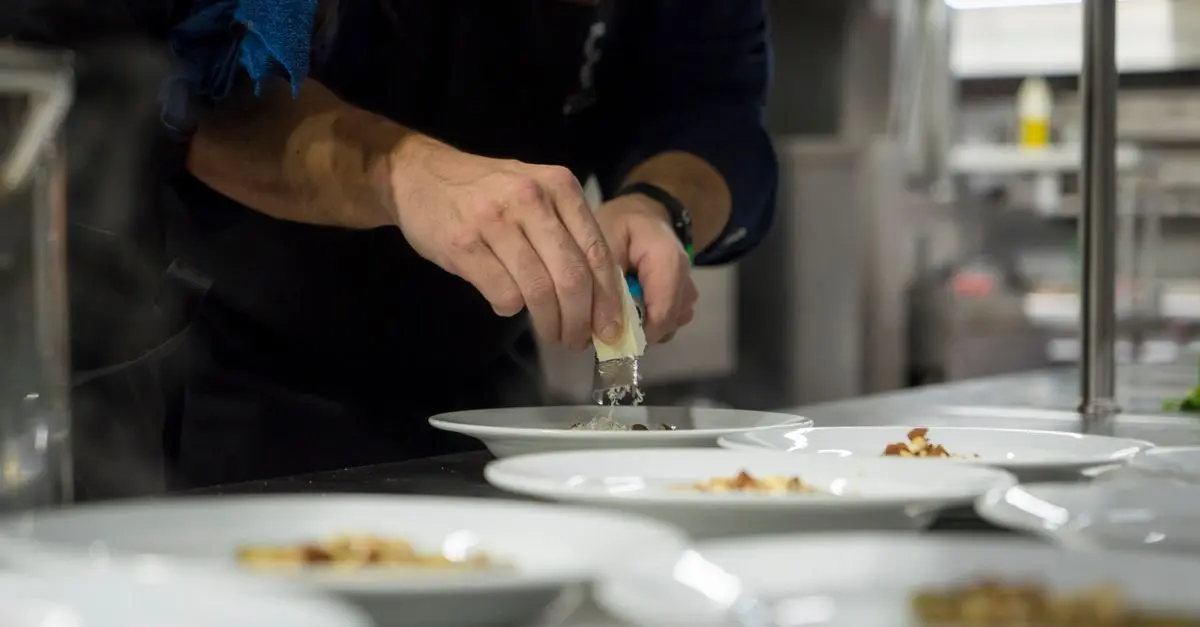
Another key area to explore is plating and presentation. This skill often makes the difference in professional kitchens, as visually appealing dishes enhance the dining experience. Furthermore, learn about food safety and sanitation standards, which are paramount in professional kitchens. Familiarizing yourself with these regulations will prepare you for the realities of current culinary work environments.
Step 4: Develop Your Professional Network
Networking is essential in the culinary world. Building relationships with professionals in the industry can open doors to job opportunities and mentorship. Attend culinary events, workshops, and local food festivals to connect with other chefs and food enthusiasts. Consider joining culinary organizations or forums that cater to aspiring chefs.
A strong network can also provide insight and guidance as you navigate your culinary journey. According to recent surveys, about 75% of culinary job openings are filled through referrals. Therefore, fostering these connections is not just beneficial but essential for your career progression.
Step 5: Craft a Strong Resume and Find Job Opportunities
When you're ready to make your move into a professional kitchen, it’s crucial to have a well-crafted resume that highlights your skills, experiences, and culinary education. Focus on detailing any relevant experience, even if it’s from volunteer work or informal jobs. Additionally, consider creating a portfolio of dishes you've prepared, showcasing your cooking style and creativity.
Start applying for entry-level positions within kitchens that interest you. These roles provide a crucial stepping stone toward more advanced culinary positions. Don't shy away from starting at the bottom, as many successful chefs began their careers as dishwashers or prep cooks. This experience will provide the foundation necessary to climb the ladder in the culinary world.
Checklist Before You Transition
- [ ] Understand the role of a professional chef
- [ ] Gain hands-on experience through culinary school or internships
- [ ] Refine key cooking techniques and knife skills
- [ ] Develop a network within the culinary community
- [ ] Prepare a strong resume and portfolio


Glossary
| Terme | Définition |
|---|---|
| Culinary Arts | The art of preparing, cooking, and presenting food. |
| Food Safety | Practices that prevent foodborne illnesses. |
| Plating | The artful arrangement of food on a plate. |
> 💡 Expert Opinion: Transitioning from a home cook to a professional chef is not just about mastering recipes; it's about cultivating a mindset of continuous improvement and resilience. The culinary world is demanding, but with passion and hard work, success is within reach.
📺 Video Resource
> 📺 To go further: Watch “Culinary School vs Self-Taught Chefs: What’s the Best Choice?”, a comprehensive review of the differences. Search on YouTube: "culinary schools vs self-taught chefs 2026".
Quiz rapide
> 🧠 Quick Quiz: What is the most important skill to develop before transitioning to a professional kitchen?
> - A) Knife skills
> - B) Networking
> - C) Cooking techniques
> Réponse : A — Knife skills are fundamental for efficiency and safety in the kitchen.
📺 Pour aller plus loin : culinary schools vs self-taught chefs 2026 sur YouTube
Recommended products
Selected by our experts