Table of Contents (16 sections)
Building culinary skills is not just for aspiring chefs; it is a valuable journey for anyone who loves food and wants to enhance their cooking. This comprehensive guide provides practical steps to improve your abilities in the kitchen.
Table of Contents
Understanding Culinary Skills
Culinary skills encompass a variety of techniques and knowledge necessary for cooking and food preparation. These skills include basic knife handling, understanding cooking methods (like frying, baking, and grilling), and the ability to create dishes that are both delicious and visually pleasing. Essential culinary skills also involve food safety, proper seasoning, and an understanding of various ingredients and their uses.
Why build culinary skills? In 2026, the rise of home cooking has been significant, with over 70% of individuals reporting that they cook at home regularly (source: UFC-Que Choisir). Learning to cook increases confidence, encourages healthier eating habits, and offers a rewarding and creative outlet. Understanding this context will help guide your culinary journey effectively.
Step 1: Master the Basics
The foundation of any culinary skill is mastering the basics. Start with essential cooking techniques such as chopping, sautéing, boiling, and baking. To get started:
- Get the right tools: Invest in quality utensils and appliances. A sharp chef's knife, a sturdy cutting board, and essential cookware are must-haves.
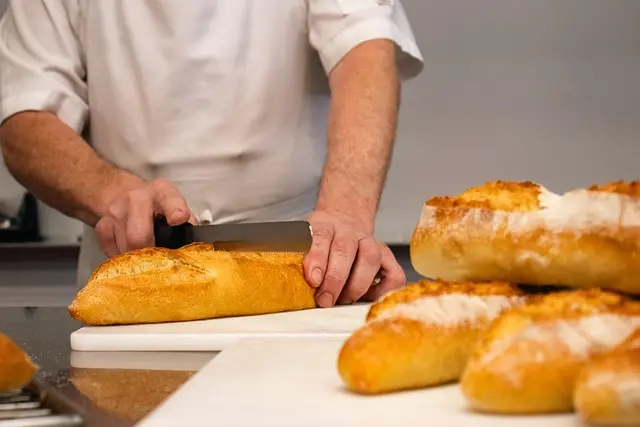
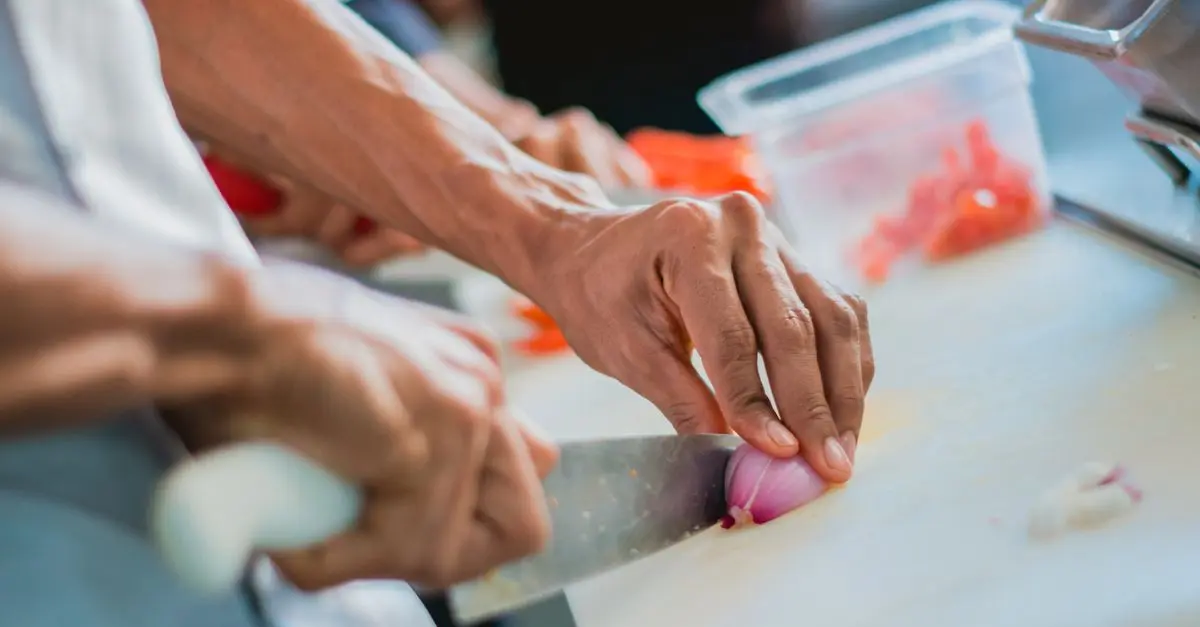
- Practice knife skills: Proper knife techniques not only improve efficiency but also enhance safety in the kitchen. Practice dicing, julienne, and chiffonade techniques with different vegetables.
- Cook simple recipes: Begin with straightforward recipes that allow you to focus on technique rather than complexity. For instance, start with sautéed vegetables or scrambled eggs, paying attention to timing and temperature.
Remember, common errors to avoid include rushing through recipes without gathering ingredients beforehand or neglecting to clean as you cook. Cleanliness helps maintain focus and organization in the kitchen, which is essential for developing your culinary skills.
Step 2: Learn Cooking Techniques
After mastering the basics, it’s time to explore different cooking techniques that can broaden your culinary repertoire. Techniques such as grilling, roasting, steaming, and braising are fundamental to achieving various flavor profiles and textures.
- Practice with a variety of proteins: Learn to cook meats, fish, and plant-based proteins using different techniques to understand how heat affects texture and flavor.
- Experiment with cooking times and methods: Understand how slow cooking versus quick methods can alter the flavors of your dishes. For instance, slow-roasting a chicken versus pan-searing it can yield vastly different results.
- Utilize cooking resources: Platforms like YouTube have thousands of cooking tutorials available. As you learn these techniques, supplement your knowledge with visual guides for precision.
📺 For further exploration : Learn methods for cooking proteins, search for “basic cooking techniques video”.
Step 3: Experiment with Ingredients
Expanding your understanding of ingredients is crucial in building culinary skills. Knowing how to choose, handle, and combine ingredients can transform your dishes.
- Visit local markets: Fresh produce and local ingredients can elevate your cooking. Understanding seasonal availability helps in selecting the best ingredients for your meals.
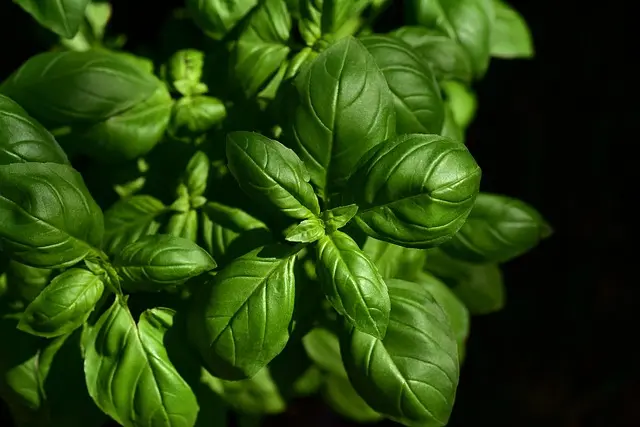
- Incorporate spices and herbs: Learn about flavor combinations by using various herbs and spices. For example, basil pairs beautifully with tomatoes, while cumin enhances many Latin dishes.
- Keep a flavor journal: Document your experiments with different ingredient combinations. This practice helps track which flavors work well together and encourages creativity.
Avoid typical mistakes like sticking to the same ingredients or ignoring food quality. Quality often determines the outcome, making it essential to choose fresh, high-quality ingredients for your culinary experiments.
Step 4: Develop Flavor Profiles
Understanding flavor profiles is where the magic happens in cooking. Learn to balance flavors like sweet, salty, sour, and bitter, and how to harmonize them.
- Taste as you cook: Develop your palate by tasting your dishes frequently during preparation. Make adjustments to seasoning as needed.
- Utilize umami: This savory flavor can significantly enhance your cooking. Foods like mushrooms, soy sauce, and Parmesan cheese are great sources of umami that can deepen flavors.
- Experiment with acidic elements: Adding acid like lemon juice, vinegar, or even wine can brighten a dish dramatically. Incorporating these during cooking rather than at the end can change the final result.
Quick Tips:
- Avoid neglecting taste testing. This step is key in creating a dish that aligns with your palate.
- Don't shy away from herbs and spices; they can be easy to under-utilize.
Step 5: Explore Different Cuisines
Exploring global cuisines is not only fun but essential for rounding out your culinary skills. Each cuisine offers unique techniques and flavors.
- Choose a cuisine to focus on: Whether it's Italian, Thai, or Mexican, immerse yourself in recipes and cooking styles that are characteristic of that culture.
- Attend cooking classes: Look for local cooking classes specializing in specific cuisines. This will also expose you to local chef expertise, enhancing your learning experience.
- Travel through food: If possible, travel or participate in cultural events centered around food. Experiencing flavors from the source vastly enhances understanding.
Common Pitfalls:
- Rushing through the learning process can lead to frustration. Take your time, and allow for mistakes—they are part of learning.
- Always remain open to new recipes and techniques; stagnation can stall your culinary journey.
Checklist to Build Your Culinary Skills
- [ ] Gather essential cooking tools.
- [ ] Practice basic knife skills regularly.
- [ ] Experiment with cooking techniques and document results.
- [ ] Explore local markets for fresh ingredients.
- [ ] Taste frequently and adjust flavors.
- [ ] Attend a cooking class focusing on a cuisine you are interested in.
Glossary
| Term | Definition |
|---|---|
| Culinary Skills | The techniques and knowledge required for cooking. |
| Flavor Profile | The unique combination of tastes and aromas in food. |
| Umami | A savory flavor recognized as one of the basic tastes. |
> 🧠 Quick Quiz: What is the key to mastering culinary skills?
- A) Following recipes exactly
- B) Experimenting with ingredients
- C) Cooking without tasting
Answer: B — Experimenting with ingredients helps develop a personal cooking style.
Conclusion and Next Steps
Building your culinary skills is an exciting journey that requires practice, patience, and a willingness to learn. By following the outlined steps, you will enhance not only your cooking abilities but also your enjoyment of food. Happy cooking!
What’s Next?
Start practicing your skills today and consider enrolling in a local culinary course or finding workshops in your area. Join a community of food enthusiasts to continue your journey.
📺 Pour aller plus loin : basic cooking techniques video sur YouTube