Table of Contents (18 sections)
Creating memorable dishes is an essential skill for any aspiring chef. It’s not just about the flavors; it’s about the experience you provide. In this article, we will guide you through the step-by-step process to create dishes that tantalize taste buds and leave a lasting impression on your guests.
1. Understanding the Essence of Memorable Dishes
What Makes a Dish Memorable?
Memorable dishes go beyond taste; they engage all the senses. A great dish connects with the diner emotionally and creates an unforgettable experience. Factors contributing to this are the balance of flavors, the presentation, and the story behind the dish. For instance, eliminating overwhelming flavors enhances specific ingredients, thus creating a more harmonious experience. According to studies, dining experiences that evoke emotional responses can lead to a 40% increase in customer satisfaction.
The Importance of Seasonal Ingredients
Using seasonal ingredients is one of the simplest ways to elevate your dishes. Ingredients that are fresh and in season not only taste better but also support local farmers and the economy. Research from UFC-Que Choisir indicates that food diversity improves nutritional intake, which can make your dishes not only memorable but also healthy. Emphasizing the connection between your dishes and the ingredients can create a compelling narrative, ideal for any aspiring chef.
2. Step-by-Step Process to Create Memorable Dishes
Step 1: Choice of Ingredients
The first step in creating memorable dishes is having the right ingredients. Always aim for high-quality, fresh produce. Visit local markets or establish relationships with farmers to source unique items that tell a story. Take some time each week to explore different local foods; it’s a great way to gather inspiration.
Step 2: Techniques and Preparation
The way you prepare ingredients is crucial. Techniques such as roasting, sautéing, or grilling can significantly alter flavors. For example, roasting vegetables enhances their natural sweetness and complexity. A common pitfall is overcooking, which can lead to loss of texture and flavor. A professional tip is to use a food thermometer to ensure perfect cooking temperatures without guesswork. This precision can result in a delightful texture experience.
Step 3: Flavor Balancing
Balancing flavors is essential for a memorable dish. Think about the five basic tastes: sweet, sour, salty, bitter, and umami. Aim for harmony among these tastes—using contrasts such as sweet and sour can create excitement in the mouth. Create profiles that will allow you to experiment while keeping the balance right. Keep a notebook of your trials to refine your approach.
3. The Art of Presentation
Visual Appeal Matters
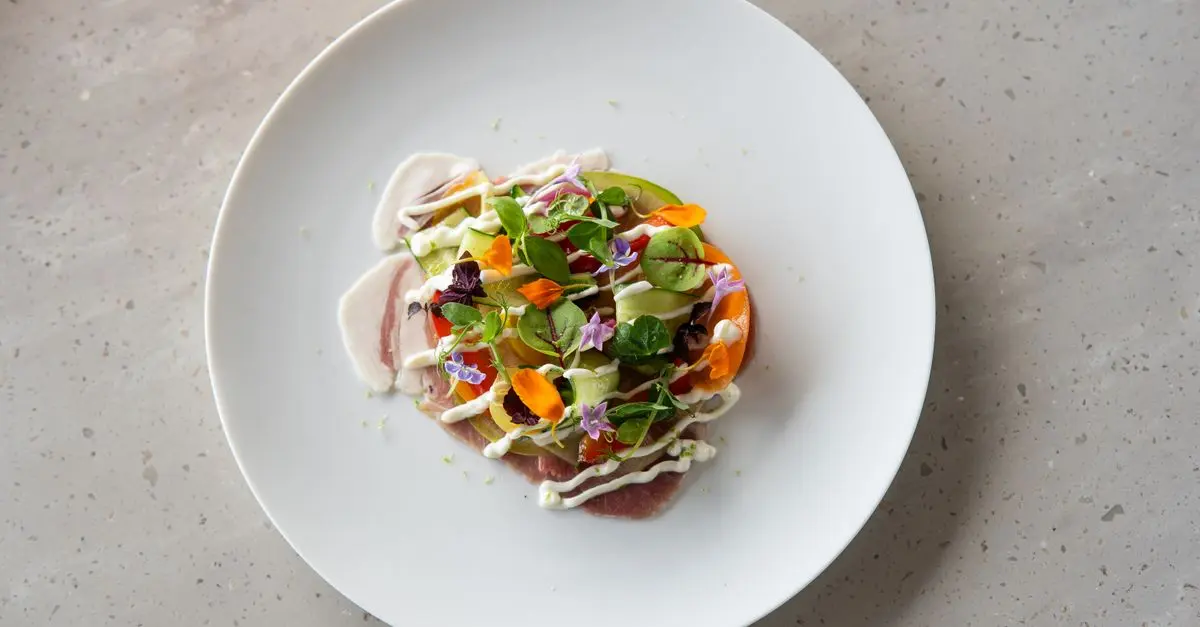
Presentation is key when it comes to making dishes memorable. The visual aspect prepares the diner for what to expect taste-wise. Start with a clean plate and a design that complements the food. Focus on color contrasts, height variations, and textural contrasts.
Creative Plating Techniques
Consider using a squeeze bottle to create patterns with sauces or purees. Try stacking elements to create height; dishes with height tend to look more sophisticated. Additionally, using herbs or edible flowers as garnishes can enhance both color and flavor. Be mindful not to overwhelm the dish with too many elements; simplicity often leads to elegance.
| Technique | Description | Ideal For | Verdict |
|---|---|---|---|
| Roasting | Enhances sweetness | Vegetables and meats | Balances well |
| Grilling | Adds smoky flavor | Fish and vegetables | Great texture |
| Poaching | Preserves moisture | Eggs and poultry | Light and tender |
| Sautéing | Quick flavor infusion | Vegetables | Retains crunch |
Storytelling Through Food
Every dish should tell a story. Whether it’s the inspiration behind a recipe or details about the sourcing of ingredients, sharing anecdotes can create a more intimate dining experience. Customers resonate more with experiences; they prefer these narratives attached to their meal. In a survey conducted by Les Numériques, over 70% of guests indicated they appreciate knowing the origin of their food. Incorporate personal touches in your explanations to create rapport.
Menu Descriptions
How you describe your dishes can change a guest's perception before they even take a bite. Use vivid, descriptive language that evokes the senses—for instance, instead of saying "chicken and rice," use "crispy herb-marinated chicken served alongside a fluffy saffron-infused couscous." This not only grabs attention but also sets expectations about flavor and experience.
📺 Resources Video
> 📺 For further insights: *Watch our detailed guide on plating techniques and flavor balancing to enhance your culinary skills. Search on YouTube: "how to create memorable dishes as an aspiring chef."
Checklist Before Cooking
- [ ] Source fresh, seasonal ingredients.
- [ ] Prepare a recipe outline with flavors.
- [ ] Choose appropriate cooking techniques.
- [ ] Plan the presentation style.
- [ ] Consider the story behind each dish.
Glossary
| Term | Definition |
|---|---|
| Flavor Profile | The combination of flavors that characterizes a dish. |
| Plating | The arrangement of food on a plate for aesthetic consideration. |
| Umami | The savory taste often associated with broths, aged cheeses, or mushrooms. |
Recommended products
Selected by our experts
Lou Ceramic Dishes - Tea - Ballard Designs
ballarddesigns.com
These handmade ceramic dishes enhance the dining experience through their unique design, making them perfect for serving memorable dishes.