Table of Contents (20 sections)
Introduction
In today's fast-paced world, developing culinary skills is more than just a hobby; it's a form of self-expression and a pathway to a healthier lifestyle. As we explore ways to enhance these skills, we will provide a step-by-step approach tailored for aspiring chefs who want to advance their knowledge and competence in the kitchen. From mastering basic techniques to understanding flavors and investing in the right tools, this comprehensive guide will serve as a valuable resource for anyone looking to develop culinary skills.
Step 1: Understanding the Fundamentals
Before diving headfirst into the culinary arts, it's essential to build a solid foundation. Understanding basic cooking techniques such as sautéing, boiling, baking, and grilling is paramount. Start with educational resources such as cooking classes or online tutorials that emphasize foundational cooking methods. For instance, according to the Culinary Institute of America, mastering these techniques can significantly elevate the quality of your dishes.
Tips:
- Enroll in local cooking classes or online platforms like MasterClass or Udemy.
- Read renowned culinary books, such as The Joy of Cooking or Le Cordon Bleu's Cooking Bible, which are excellent resources for beginners.
Common Mistakes to Avoid:
- Skipping the basics can lead to poor techniques that affect final dishes.
- Not understanding knife skills can compromise both safety and precision.
Step 2: Explore Different Cooking Styles
Exploring various cooking styles helps you find your unique culinary voice. Whether it's Italian, French, Asian, or contemporary fusion, each cuisine presents its own techniques and traditions. Attempt to prepare a signature dish from diverse cultures to grasp their flavor profiles and cooking methods.
Practical Example:
If you're interested in Italian cuisine, try making homemade pasta. It's an excellent way to combine the fundamentals with a specific cultural approach to cooking. Engaging with diverse culinary styles not only broadens your skill set but also enhances creativity in your dishes.
Benefits:
- Exposure to different cooking styles sharpens adaptability in the kitchen.
- Learning about global cuisines imparts knowledge about various ingredients and presentation styles.
Step 3: Invest in Quality Kitchen Tools
Investing in quality kitchen tools can dramatically affect your cooking experience. Essential items include a sharp chef's knife, cutting boards, pans, and baking equipment. High-quality tools can improve your cooking efficiency and elevate the final presentation of your dishes.
Comparison Table of Kitchen Tools:
| Tool | Option A | Option B | Option C | Verdict |
|---|---|---|---|---|
| Chef's Knife | Wüsthof Classic | Global | Victorinox | Best performance overall |
| Pans | All-Clad | T-fal | Cuisinart | Ideal for durability |
| Baking Sheets | Nordic Ware | Calphalon | Wilton | Excellent consistency |
Pro Tips:
- Always invest in a good chef's knife, as it’s your most used tool.
- Research tools based on user reviews and expert recommendations from sites like UFC-Que Choisir.
Step 4: Practice Techniques
Repetition is key to turning skills into second nature. Dedicate time each week to practice various cooking techniques. For example, you can focus on mastering sauces, knife skills, or baking different types of bread. Consider hosting cooking challenges with friends to keep engagement high and learn collaboratively.
Practice Activities:
- Set a schedule for practicing new skills weekly.
- Record yourself cooking a new dish to track improvement.
Areas to Focus On:
- Knife safety and precision cuts.
- Saucier skills, knowing how to create a roux and emulsions.
Step 5: Expand Your Palate
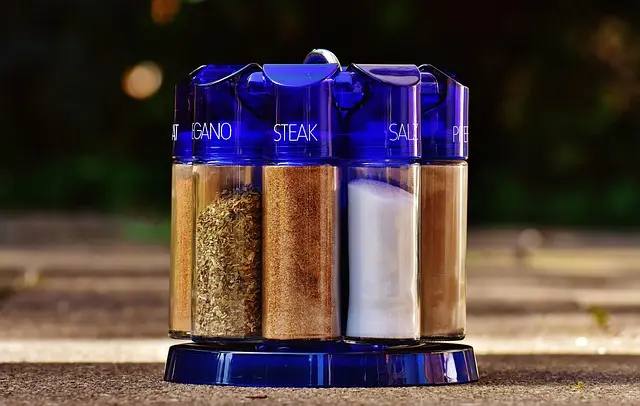
To develop culinary skills, a well-rounded palate is crucial. Experiment with different ingredients, spices, and herbs to understand their impact on dishes. Regularly cook with unfamiliar ingredients to broaden your horizon.
Activities:
- Join local food markets to explore fresh produce and herbs.
- Participate in tasting events or workshops focused on specific ingredients.
Why This Matters:
- A broader palate allows you to identify flavors and enhances dish creativity.
- Engaging with new ingredients can lead to discovering and crafting unique recipes.
Checklist for Developing Culinary Skills
- [ ] Understand basic cooking techniques.
- [ ] Explore multiple cooking styles.
- [ ] Invest in quality kitchen tools.
- [ ] Dedicate time for technique practice.
- [ ] Continuously expand palate and ingredient knowledge.
Glossary
| Term | Definition |
|---|---|
| Mise en place | A French culinary phrase meaning 'everything in its place,' referring to the setup required before cooking. |
| Emulsion | A mixture of two liquids that do not ordinarily mix, such as oil and water, stabilized using an emulsifying agent. |
| Roux | A cooked mixture of equal parts fat and flour used as a thickening agent in sauces. |
Quiz
> 🧠 Quick Quiz: What essential skill can improve cooking safety and precision?
> - A) Flavor pairing
> - B) Knife skills
> - C) Plating
> Answer: B — Knife skills are crucial for both safety and accuracy in cooking.
📺 To go further: Watch this insightful video on developing culinary skills, find it on YouTube by searching:
develop culinary skills tutorial.
📺 Pour aller plus loin : develop culinary skills tutorial 2026 sur YouTube