Table of Contents (11 sections)
Embarking on a culinary career requires more than just a passion for cooking; mastering essential culinary techniques is crucial. This comprehensive guide is designed to equip you with the foundational skills that will not only enhance your cooking but also make you a better chef. Let’s dive into the steps you need to take to master these techniques effectively.
1. Understand the Importance of Culinary Techniques
Culinary techniques encompass a vast array of skills, from knife handling and cooking methods to plating and presentation. Why are these techniques important? They are the building blocks of professional cooking, allowing chefs to create consistent, delicious dishes. Knowing how to sauté, braise, or properly julienne vegetables not only improves food quality but also speeds up the cooking process.
Many successful chefs emphasize that a strong foundation in culinary techniques sets them apart. For instance, according to a survey by the Culinary Institute of America, 85% of professional chefs believe that technical skills are more significant than creativity in the early stages of a cooking career. Thus, investing time in learning these fundamental skills can lead to a thriving culinary career.
2. Enroll in Culinary Classes
While self-learning through books and online resources is possible, enrolling in professional culinary classes adds structure to your learning. Step-by-step education in a formal environment allows for practical experience under skilled instructors. Additionally, the camaraderie and networking opportunities with fellow culinary students can provide you with valuable insights and connections in the industry.
Many culinary schools offer various programs, including diploma, certificate, and degree programs. Look for programs that cover essential culinary techniques and provide hands-on training. These programs often have significant placements in esteemed restaurants, which can help launch your culinary career.
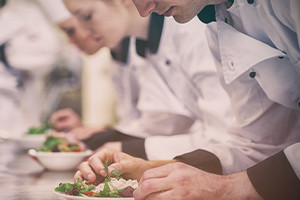
3. Master Basic Knife Skills
Knife skills are crucial in any culinary practice. They not only enhance efficiency but also ensure safety in the kitchen. Here’s how to master basic knife skills:
- Grip the knife properly: Use a firm grip on the handle, with your thumb and index finger on either side of the blade for control.
- Practice common cuts: Get comfortable with chopping, dicing, and julienning. Practice with various vegetables to build confidence.
- Maintain your knife: Regularly sharpen and clean your knife to ensure optimum performance.
A common mistake is to neglect knife skills, but investing time here will pay off in improved speed and accuracy. Remember, a chef who is quick and efficient with a knife can accomplish much more during service periods.
4. Explore Different Cooking Techniques
Understanding various cooking methods is vital for any chef. Here are several techniques to familiarize yourself with:
- Sautéing: A quick, high-heat method that helps in retaining the flavors of food. Perfect for vegetables and proteins alike.
- Braising: A combination of frying and slow cooking in liquid. Great for tougher cuts of meat, resulting in tenderness and rich flavor absorption.
- Roasting: A method that utilizes dry heat, ideal for meats and vegetables, creating a crispy exterior while maintaining moisture.
Experimenting with these techniques not only enhances your cooking repertoire but also allows you to understand the science of cooking more profoundly. Novice cooks often underestimate the importance of learning these methods, leading to repeated mistakes that could have been avoided.
| Technique | Description | Advantages | Common Mistakes |
|---|---|---|---|
| Sautéing | Quick cooking in a bit of fat over high heat | Retains flavor, fast cooking | Not preheating the pan |
| Braising | Slow cooking in liquid after searing | Tenderizes meat, rich flavor | Overcooking the meat |
| Roasting | Cooking with dry heat in the oven | Enhances texture, develops flavor | Not checking doneness |
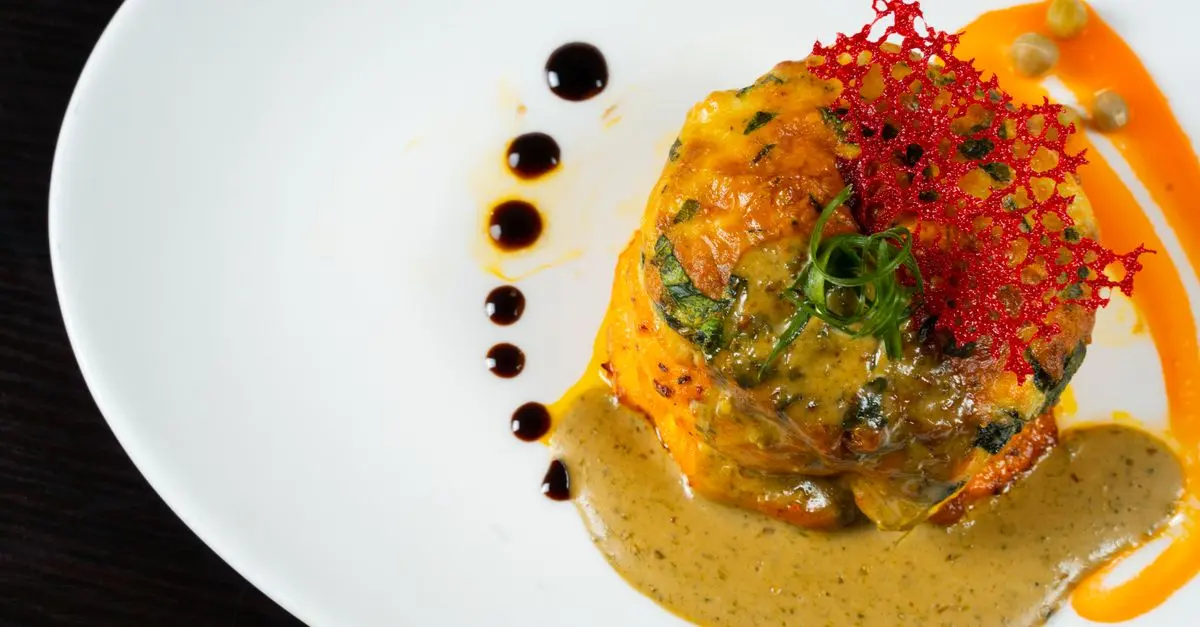
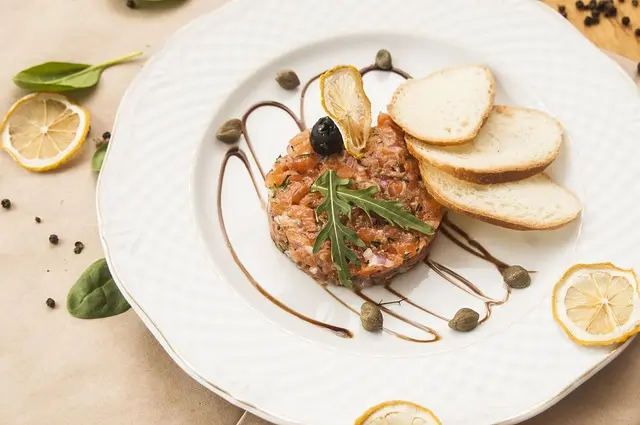
A dish is not just about taste; presentation plays a critical role in the dining experience. Mastering plating techniques can elevate your culinary creations. Here’s how to improve your presentation:
- Choose the right plate: The size and color of the plate can affect the overall appeal.
- Layer and arrange thoughtfully: Consider color contrasts and height to create visual interest.
- Garnish wisely: Use edible garnishes that complement the dish without overpowering it.
In a competitive culinary landscape, dishes that look appealing attract more customers. Remember, according to a study by Food and Wine Magazine, 70% of diners decide whether they will eat a dish based on its presentation alone. To succeed, your dishes must be as visually enticing as they are delicious.
6. Continuously Practice and Seek Feedback
Mastery requires continuous practice and an open mind to feedback. After learning techniques.
- Seek feedback from peers: Constructive criticism can provide insights you might not recognize yourself.
- Participate in cooking competitions: Testing your skills under pressure can highlight areas for improvement.
- Join culinary communities: Engage with fellow chefs and home cooks online or in-person to share experiences and tips.
Mistakes are part of the learning process. The most successful chefs embrace failures as learning opportunities, refining their skills further.
7. Keep Up with Industry Trends
The culinary world is constantly evolving, with new techniques and trends emerging regularly. Stay updated by:
- Reading food magazines: Publications like Bon Appétit or Saveur often reveal new culinary trends and techniques.
- Attending workshops and seminars: These provide insights into the latest cooking methods and industry insights.
- Following culinary influencers: Social media is a rich resource for discovering new techniques and innovations in the kitchen.
Staying informed helps keep your skills relevant and can inspire your creativity in the kitchen.
Checklist before diving into your culinary journey:
- [ ] Research and enroll in a culinary program
- [ ] Practice knife skills consistently
- [ ] Explore diverse cooking techniques
- [ ] Experiment with plating and presentation
- [ ] Seek feedback from experienced chefs
- [ ] Keep learning about trends and innovations
Glossary
| Term | Definition |
|---|---|
| Sautéing | Cooking food quickly in a small amount of oil over high heat. |
| Braising | Slow-cooking food in a small amount of liquid after browning. |
| Plating | The art of presenting food on a plate attractively. |
> 💡 Expert Opinion: Regular practice of culinary techniques is essential. Chefs who dedicate time to refining these skills often report increased confidence and creativity in their cooking. Continuous improvement is the key to success in any culinary career.
📺 For more insights: Watch this video on mastering essential culinary techniques, highlighting key skills for aspiring chefs. Search for: culinary techniques for aspiring chefs 2026.
🧠 Quick Quiz: What is the primary purpose of culinary techniques?
- A) To enhance flavor
- B) To ensure food safety
- C) To improve efficiency
Answer: C — Culinary techniques primarily improve efficiency in food preparation and cooking.
📺 Pour aller plus loin : culinary techniques for aspiring chefs 2026 sur YouTube
Recommended products
Selected by our experts
Culinary Skills and Techniques
Alison US CA
We've selected educational materials that provide in-depth insights into culinary skills and techniques to enhance your learning.