Table of Contents (10 sections)
Understanding Culinary Techniques
To become a successful chef, one must first understand culinary techniques. These are the foundational skills that allow you to prepare dishes effectively and creatively. From sautéing to braising, mastering these techniques enhances your versatility in the kitchen. According to culinary experts, having a strong grasp of these skills sets the tone for creativity and efficiency in recipe execution. With techniques ranging across different cuisines, the ability to adapt and modify is crucial. Moreover, understanding the science behind cooking methods, such as the Maillard reaction in browning proteins, can deepen your culinary knowledge, allowing for greater precision in your cooking.
Step 1: Knife Skills
Effective knife skills are essential for any chef. Not only do they enable speed and efficiency, but they also ensure consistency in your dish preparations. Start by practicing the various cuts: dicing, julienne, and mincing. Each cut serves a different purpose and can greatly affect the presentation and cooking time of your ingredients. For instance, finely minced garlic releases more oils and flavors compared to larger chunks. Ensure you invest in quality knives, and take care of them; a dull knife is more dangerous and less effective than a sharp one. A study from the Culinary Institute of America highlights that proficient knife skills can reduce cooking time by as much as 30%. Practicing regularly with different fruits and vegetables will help you refine your technique and confidence.
Step 2: Cooking Methods
Understanding various cooking methods is key to mastering culinary techniques. The main categories include dry heat methods (like roasting and grilling) and moist heat methods (like steaming and poaching). Each method impacts the flavor, texture, and nutritional value of foods. For example, roasting vegetables can enhance their sweetness due to caramelization, while steaming retains more nutrients. Start with basic methods and experiment with different ingredients. For example, grill chicken using indirect heat to achieve a juicy interior and crisp skin. Engaging in workshops or culinary classes can also provide hands-on experience under the guidance of skilled chefs.
Step 3: Flavor Development
Creating delicious dishes is all about flavor development. This involves understanding the balance between salty, sweet, sour, and bitter. To master flavor, start with the basics: salt enhances flavor while acids can brighten dishes. Consider the role of herbs and spices; fresh herbs can add vibrancy, while dried spices deepen flavors. A good technique is to taste as you cook. According to Food Network's culinary studies, tasting helps develop a chef’s palate over time. Additionally, understanding flavor pairings can elevate your dishes. For example, combining citrus with seafood enhances freshness, while pairing chocolate with espresso adds depth. Remember, experimenting with different combinations will help you discover new and exciting flavors.
Step 4: Plating and Presentation
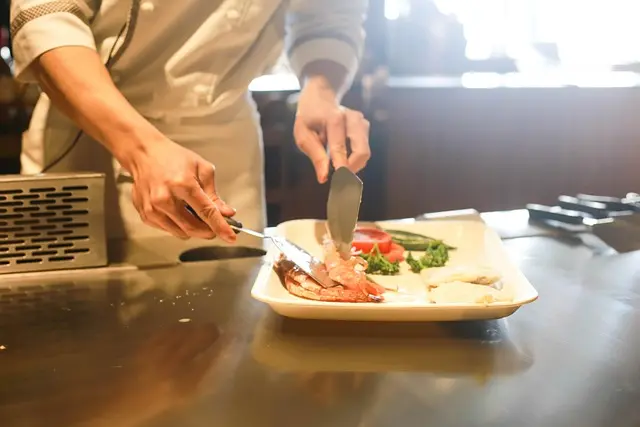
The visual appeal of your dish is just as important as its taste. Plating techniques can elevate a dish from ordinary to extraordinary. Start with the basics of balance, color contrast, and portion size. A well-plated dish should guide the diner's eye and stimulate their appetite. Use tools like squeeze bottles for sauces or tweezers for precise placements of garnishes. For instance, a simple grilled steak can be transformed with a drizzle of herb oil and strategically placed vegetables. According to Plate Magazine, well-presented dishes can increase customer satisfaction by up to 20%. Practice plating with elements that add height, layering, and the use of negative space to enhance your presentation skills.
Common Pitfalls to Avoid
As you master culinary techniques, be aware of common pitfalls. One major mistake is not properly seasoning food throughout the cooking process. Always taste and adjust at different stages rather than just before serving. Additionally, overcooking proteins can lead to toughness, while undercooking grains can result in a failure to achieve the desired texture. Keeping a clean and organized workspace is essential to maintaining efficiency and safety in the kitchen. Finally, avoid rushing the learning process; cooking is an art that improves with time and practice.
Checklist for Mastering Culinary Techniques
- [ ] Practice knife skills on a variety of vegetables
- [ ] Experiment with different cooking methods
- [ ] Explore flavor pairings and balance
- [ ] Focus on plating techniques and visual appeal
- [ ] Tackle one new recipe each week to incorporate learned skills
Glossary
| Term | Definition |
|---|---|
| Mise en Place | A French term meaning 'everything in its place', emphasizing the importance of prep work. |
| Sauté | Cooking food quickly in a small amount of oil or fat over high heat. |
| Braising | A cooking method that combines both wet and dry heat, typically involving browning followed by cooking in liquid. |
Quick Quiz
> 🧠 Quiz rapide: What is the primary goal of practicing knife skills?
> - A) To improve speed
> - B) To enhance creativity
> - C) To ensure safety
> Réponse : A — Improving speed and efficiency is a key aspect of mastering knife skills.
📺 Pour aller plus loin: Watch this video about essential cooking techniques for beginners, an analysis complete of culinary skills. Recherchez sur YouTube : "essential cooking techniques for beginners 2026".
📺 Pour aller plus loin : 19 Tools To Make Cooking Easier sur YouTube