Table of Contents (13 sections)
Introduction
Cooking is more than just a routine; it’s an art that combines creativity, precision, and a deep understanding of various culinary techniques. If you're aspiring to become a chef, mastering these techniques is essential to your success. This guide offers a detailed, step-by-step approach to honing your culinary skills. Whether you're preparing for a professional kitchen or simply looking to impress at home, these techniques will provide a solid foundation for your culinary journey.
1. Understanding Basic Culinary Techniques
Before diving into complex dishes, it's crucial to understand the basic culinary techniques. Familiarize yourself with essential methods such as boiling, sautéing, roasting, and braising. These foundational skills are not just cooking methods; they serve as building blocks for more advanced preparations. For instance, to sauté properly, you need to know the appropriate temperature for your oil, how to ensure even cooking, and the timing for adding ingredients to achieve the desired flavor and texture. Practicing these techniques frequently will enhance your confidence and capabilities in the kitchen, setting you up for success in preparing more intricate dishes.
2. Knife Skills – The Heart of Culinary Excellence
Knife skills are arguably the most critical aspect of cooking. Proper cutting techniques can greatly enhance both the appearance and cooking time of your meals. Here’s a breakdown of essential knife skills:
- Chopping: This involves cutting food into smaller pieces. Use a rocking motion with the knife blade and keep the tip on the cutting board for stability.
- Dicing: To create uniform cubes, start with a longer cut into a strip, then slice perpendicular to achieve cubes of similar size.
- Julienne: This technique involves cutting vegetables into matchstick-sized pieces, adding elegance and consistent cooking to your dishes.
It's also crucial to select the right type of knife for your needs, considering size and weight for better control and safety. A well-maintained knife is indispensable in achieving precision in your culinary creations.
3. Mastering Cooking Temperatures and Timing
Understanding cooking temperatures and timings is vital for achieving the perfect dish. Different foods require specific temperatures for optimal results. For instance:
- Searing Meat: For a perfectly seared steak, preheat your skillet to high heat. Aim for an internal temperature of about 130°F for medium-rare.
- Baking Bread: Typically, bread bakes best at around 375°F, but this can vary based on the recipe.
Utilizing a food thermometer can take the guesswork out of this process. Moreover, timing is crucial. For instance, if you add vegetables too early when making a stir-fry, they may become mushy rather than crisp. It’s important to plan your cooking sequence according to the required time for each ingredient to reach its perfect state.
4. Flavor Enhancing Techniques
The ability to enhance flavors is what separates a good meal from a great one. Learning how to use herbs, spices, and seasoning effectively can transform your dishes:
- Balancing Flavors: Understand how to balance sweet, salty, sour, and bitter tastes for depth. For example, a pinch of sugar can enhance the acidity of tomatoes in a sauce.
- Seasoning at the Right Time: Add salt during different stages of cooking to develop flavors gradually rather than just at the end.
Experiment with different herbs and spices by infusing oils or making marinades. According to culinary studies, dishes seasoned with fresh herbs are often rated significantly higher in taste tests than those made without.
💡 Expert Tip: Try to experiment with seasoning ratios in small batches. This can help you find the perfect blend without risking a larger dish.
5. Plating and Presentation Skills
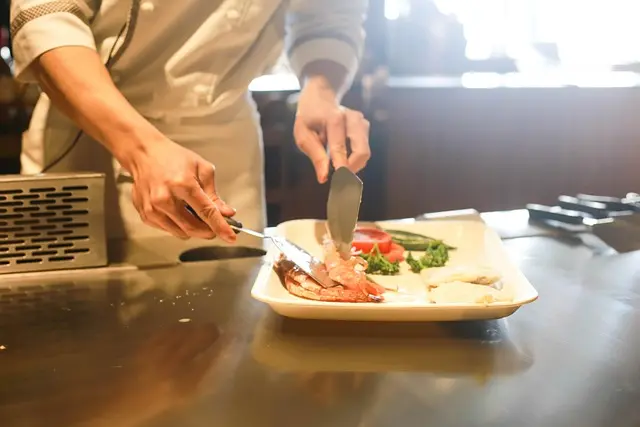
The visual appeal of a dish can heighten the dining experience dramatically. Great plating techniques can make even simple dishes look gourmet. Here are some tips for effective plating:
- Use of Color: Bright, contrasting colors can draw the eye. If you have a predominantly beige dish, adding a sprinkle of green herbs can elevate its appeal.
- Height and Texture: Incorporating height instead of creating a flat plate can make your dish look more intriguing. Use various textures, such as crispy garnishes against a smooth sauce.
- Negative Space: Don’t overcrowd the plate; leave some space to let your food stand out. This approach makes each component feel intentional.
Practice plating your dishes as if you are preparing for service in a restaurant. This will help you develop a keen eye for aesthetics, an essential trait for any aspiring chef.
Comparison Table of Culinary Techniques
| Culinary Technique | Description | When to Use | Tips |
|---|---|---|---|
| Boiling | Cooking food in water or broth at high temperatures. | Pasta, vegetables. | Add salt to water for better flavor. |
| Sautéing | Cooking food quickly in a small amount of oil over high heat. | Meats, vegetables. | Preheat oil for best sear. |
| Roasting | Cooking food evenly in an oven. | Meats, root vegetables. | Use a roasting rack to ensure even cooking. |
| Braising | Slow cooking in a small amount of liquid. | Tough cuts of meat. | Brown meat first for added flavor. |
Finally, mastery comes with practice. Join cooking classes or workshops, where professional chefs can give you insights into techniques, flavors, and presentation. Online platforms like YouTube and culinary blogs have extensive content that can aid in visual learning as well. Experiment with new recipes and don’t shy away from making mistakes. Each error can serve as a valuable lesson in your cooking journey. The goal is to reflect on your processes, adapt, and keep challenging yourself.
Checklist for Mastering Culinary Techniques
- [ ] Master basic cooking methods (boiling, sautéing, etc.)
- [ ] Enhance knife skills for efficiency and safety
- [ ] Understand cooking temperatures and times for various foods
- [ ] Experiment with flavor balancing and seasoning approaches
- [ ] Practice food plating techniques for aesthetic appeal
- [ ] Sign up for cooking classes or workshops for hands-on learning
Glossary
| Term | Definition |
|---|---|
| Searing | Cooking the surface of food at high heat to create texture and flavor. |
| Julienne | A technique that cuts food into thin matchstick shapes for even cooking. |
| Braising | A cooking method involving slow cooking in a bit of liquid after browning. |
📺 Resource Video
> 📺 For more visual guidance: Exploring Essential Culinary Techniques, a comprehensive analysis of cooking methods. Search on YouTube: culinary techniques for aspiring chefs 2026.
🧠 Quick Quiz: Which culinary technique involves cooking food in a small amount of oil over high heat?
- A) Boiling
- B) Sautéing
- C) Braising
Answer: B — Sautéing requires high heat and minimal oil for a quick cook.
Conclusion
Perfecting your culinary techniques isn't a destination but a continuous journey filled with exploration and creativity. By mastering these essential steps, you will elevate your cooking capabilities and set a solid foundation for becoming a successful chef. Stay curious, keep honing your methods, and most importantly, enjoy the process.
📺 Pour aller plus loin : culinary techniques for aspiring chefs 2026 sur YouTube