Table of Contents (16 sections)
Embarking on the journey to transition from home cook to professional chef is an exciting yet challenging undertaking. Whether you’re passionate about food or dreaming of running your own restaurant, taking that leap requires proper preparation and dedication. In this article, we’ll explore practical steps you can take to make this significant career change.
1. Assess Your Culinary Skills and Knowledge
The first step in your culinary transition is to evaluate your current cooking skills and knowledge. Consider the types of dishes you excel at preparing and the techniques you have mastered. Professional chefs are not only adept at cooking but also understand kitchen operations, including hygiene protocols and food safety regulations.
Tips to Assess Your Skills:
- Self-Evaluation: Create a list of recipes you know how to prepare and the techniques you can execute well. This will help highlight your strengths and areas for improvement.
- Seek Feedback: Ask friends or family members who have tasted your dishes for their honest opinions. Constructive criticism can be invaluable.
- Educational Resources: Consider investing in culinary books or online courses to bridge any knowledge gaps in cooking techniques or kitchen management.
Motivation to improve your cooking skills should come from a place of curiosity and interest. With the culinary industry evolving, staying updated with trends is crucial. As per industry reports, professional chefs who continue to learn and adapt tend to have longer-lasting careers.
2. Gain Formal Culinary Education
While many chefs rise through the ranks with experience alone, obtaining formal culinary education can enhance your credibility and skills. Culinary schools offer hands-on training and expose students to various cuisines, kitchen operations, and food science.
Benefits of Culinary School:
- Structured Learning: A formal program teaches fundamental skills in a structured environment, often under the guidance of seasoned chefs.
- Networking Opportunities: Culinary schools often have connections to the industry, providing students with opportunities to meet potential employers or mentors.
- Access to Resources: Many culinary programs provide access to state-of-the-art kitchen facilities and professional-grade equipment.
Programs can vary significantly in terms of length, cost, and focus. Understanding these differences is essential when choosing the right program for your career goals. Most programs range from several months of intensive training to two or four years for a diploma or degree.
Professional Blender, Commercial Countertop Blenders, 68 oz Glass Jar Blender Combo, Stainless Steel for Frozen Drinks
bedbathandbeyond.com

VVOR Professional Blender with Shield, Commercial Countertop Blenders, 68 oz Blender Combo, Stainless Steel 9 Speed & 5 Functions Blender, for
shop.simon.com

VEVOR - Blender for Smoothies, 61 oz 1400W, Professional Blender with Powerful Motor, Multi-Functional Food Processing Blender - Dark Gray
bestbuy.com
3. Gain Experience through Internships or Part-Time Work
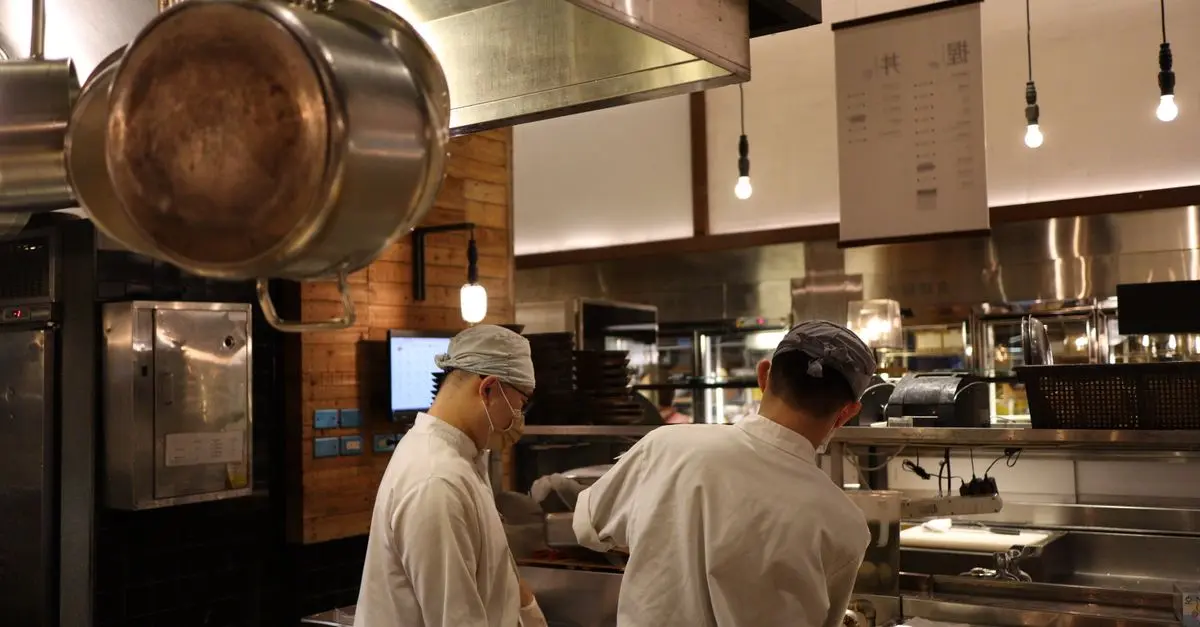
One of the most effective ways to transition from home cook to professional chef is to gain real-world experience. Look for internships, apprenticeships, or part-time work in local restaurants. This firsthand experience is invaluable as it provides insight into the fast-paced nature of professional kitchens and allows you to learn from experienced chefs.
Key Considerations:
- Culture Fit: Choose a restaurant where you feel you can grow and learn. Different establishments have varying cuisines and kitchen dynamics, often impacting your learning experience.
- Be Prepared for Hard Work: Working in a kitchen can be physically demanding and stressful. Understand that the environment may be significantly different from cooking at home.
- Learn as Much as You Can: Take initiative to learn from your colleagues. Ask questions, observe, and never hesitate to offer assistance.
4. Build Your Culinary Network
Networking is essential for anyone looking to make significant career transitions. Attend industry events, cooking classes, or food festivals to meet other culinary professionals.
Networking Tips:
- Online Platforms: Utilize platforms like LinkedIn or culinary forums to connect with chefs and culinary professionals. Collaboration opportunities can arise from these connections.
- Social Media: Follow chefs and culinary influencers on platforms like Instagram, where you can engage with them and show interest in their work.
- Industry Events: Participate in cooking competitions or food expos to meet like-minded individuals and professionals who can offer guidance.
5. Develop a Personal Brand and Portfolio
As you progress in your culinary career, establishing a personal brand becomes vital. Document your cooking journey from your best dishes to experiences in professional kitchens.
Building Your Brand:
- Social Media Presence: Share your culinary creations on platforms like Instagram or TikTok to showcase your skills and attract potential employers.
- Portfolio: Create a portfolio that includes photos of your dishes, recipes, and a brief outline of your culinary journey. This can be an essential tool when applying for jobs or pitching your services.
- Continual Learning: Stay current with culinary trends and techniques, as this showcases your commitment to growth and development in the industry.
Checklist for Transitioning from Home Cook to Professional Chef
- [ ] Assess your cooking skills and knowledge.
- [ ] Research and enroll in culinary education programs.
- [ ] Obtain hands-on experience in professional kitchens.
- [ ] Network with industry professionals.
- [ ] Build a personal brand through social media and a portfolio.

Metropolitan Vacuum Cleaner Co., Inc. Professional Car Vacuum and Dryer
sharperimage.com

Metropolitan Vacuum Cleaner Co., Inc. Professional Auto Detailing Vacuum
sharperimage.com
Professional Blender, Commercial Countertop Blenders, 68 oz Glass Jar Blender Combo, Stainless Steel for Frozen Drinks
bedbathandbeyond.com
Conclusion
Transitioning from home cook to professional chef is a journey filled with challenges and rewards. By assessing your skills, gaining formal education, and obtaining real-world experience, you can effectively navigate the culinary world. Embrace the learning curve and stay connected with your culinary community for continuous growth. If you’re passionate about food, the professional culinary realm is waiting for you to make your mark.
Glossary
| Term | Definition |
|---|---|
| Culinary School | An educational institution that teaches cooking and kitchen management skills. |
| Internship | A temporary position that offers practical experience in a specific industry. |
| Personal Brand | The reputation and image you create and promote about yourself in your professional field.
📺 Resources Video
> 📺 For more insight: Watch this comprehensive guide about transitioning to a professional chef, look for: “How to become a chef: Real experiences.”
Quiz rapide
> 🧠 Quick Quiz: What is the first step in becoming a professional chef?
> - A) Gain experience
> - B) Assess your skills
> - C) Build a personal brand
> Réponse : B — Assessing your skills helps you identify where to focus your learning efforts.
📺 Pour aller plus loin : how to become a professional chef 2026 sur YouTube
Recommended products
Selected by our experts
Professional Blender, Commercial Countertop Blenders, 68 oz Glass Jar Blender Combo, Stainless Steel for Frozen Drinks
bedbathandbeyond.com

Professional Dishwasher Door Panel Kit for Viking FDWU524 Dishwasher - Cast Black
bestbuy.com

Professional Dishwasher Door Panel Kit for Viking FDWU524 Dishwasher - Slate Blue
bestbuy.com

Professional Dishwasher Door Panel Kit for Viking FDWU524 Dishwasher - Damascus Gray
bestbuy.com

Professional Dishwasher Door Panel Kit for Viking FDWU524 Dishwasher - Stainless Steel
bestbuy.com