Table of Contents (13 sections)
In the world of professional kitchens, the debate between induction vs gas cooking continues to be a hot topic. With advances in technology and shifting culinary trends, chefs have more options than ever when it comes to heating methods. In this article, we dive into the pros and cons of each, providing an in-depth comparison to help culinary professionals make informed decisions.
How Induction Cooking Works
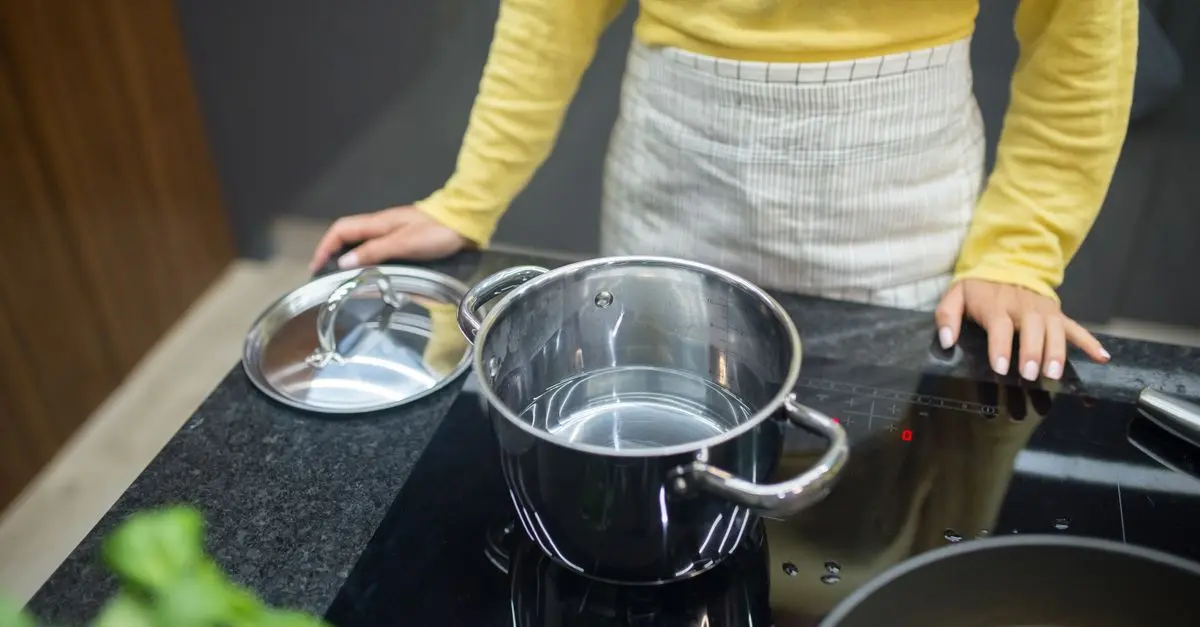
Induction cooking uses electromagnetic fields to heat pots and pans directly. This technology requires cookware made from ferromagnetic materials, such as cast iron or certain stainless steels. The result is rapid and precise temperature control, making it a favorite among many chefs seeking efficiency in fast-paced kitchen environments. With an induction stove, heat is generated in the cookware itself rather than the stove's surface, reducing the risk of burns and increasing energy efficiency. According to U.S. Department of Energy, induction cookers can be nearly 90% energy efficient compared to gas, which is around 40-50%.
The Operation of Gas Stoves
For decades, gas stoves have been the backbone of kitchens around the world. They operate by combusting natural gas or propane, generating flames that directly heat the cookware. This method offers an instantly visible flame, giving chefs immediate feedback and control over the cooking process. Gas stoves, known for their reliability and robustness, allow for a wider range of heat settings and can accommodate various cookware types without special requirements.
Comparative Analysis: Induction vs Gas Cooking
| Criterion | Induction Cooking | Gas Cooking | Verdict |
|---|---|---|---|
| Efficiency | High energy efficiency, minimal heat loss | Lower energy efficiency | Induction |
| Heat Control | Precise temperature adjustments | Immediate visual feedback | Tie |
| Safety | Safer surface, cools quickly after use | Open flames pose greater risk | Induction |
| Cost | Higher upfront cost, potential savings over time | Lower initial cost | Gas |
The choice between induction and gas cooking often boils down to specific kitchen needs. Induction stoves offer significant energy savings over time, although they come with a higher initial investment. This can be a barrier for smaller restaurants with tight budgets. However, the quick response and energy efficiency might outweigh the cost for larger establishments. On the other hand, gas stoves' lower upfront costs and compatibility with a wider range of cookware make them a practical choice for many traditional kitchens.
💡 Avis d'expert : "In modern culinary environments, where energy efficiency and technological advancements are valued, induction cooking tends to lead. However, for those chefs prioritizing traditional cooking techniques and flexibility, gas remains a strong contender."
📺 Resource Video
📺 For further insights: Learn the differences in cooking techniques. Search on YouTube: "induction vs gas stoves cooking test"
What's the main advantage of induction cooking over gas?
Induction cooking offers more energy efficiency and a safer cooking surface.
Can I use any cookware on an induction stove?
No, induction stoves require cookware made of ferromagnetic material like certain stainless steels or cast iron.
Are gas stoves more durable than induction units?
Gas stoves generally offer longer-lasting performance with simpler maintenance needs.
Why is the initial cost of induction stoves higher?
The technology required for induction stoves increases the initial price, but energy savings can offset this over time.
Checklist Before Choosing Your Stove
- [ ] Assess your current budget and long-term savings potential
- [ ] Determine the range of cookware you possess
- [ ] Evaluate your kitchen safety needs
- [ ] Consider space and energy efficiency requirements
- [ ] Analyze the cooking techniques used in your menus
Glossary
| Term | Definition |
|---|---|
| Induction | A cooking technology using electromagnetic fields to heat cookware directly |
| Ferromagnetic | Materials that can be magnetized, essential for induction cooking |
| Energy Efficiency | Measure of energy output compared to input |