Table of Contents (9 sections)
Every aspiring chef understands that mastering culinary skills is a critical step towards a successful cooking career. Culinary skills not only enhance your cooking abilities but also refine your creativity and confidence in the kitchen. In this guide, we will walk through essential techniques every chef should know while providing practical examples, tips, and common mistakes to avoid.
1. Knife Skills: The Foundation of Culinary Arts
Knife skills are fundamental to the culinary field. Knowing how to properly handle a knife can improve efficiency and productivity in the kitchen, and it's essential for food safety. Begin by familiarizing yourself with different types of knives: the chef's knife, paring knife, and serrated knife. Each serves a distinct purpose, and using the right knife can make all the difference.
Start with basic cuts: dicing, chopping, and mincing. For example, when dicing vegetables, use a rocking motion with your chef’s knife to create uniform pieces, which ensures even cooking. According to culinary experts, speed and precision come with practice, so don’t hesitate to practice your skills daily. A common mistake is using a dull knife, which can lead to accidents and uneven cuts. Always ensure your knives are sharp and in good condition to enhance safety and performance.
2. The Art of Sautéing: Techniques for Flavor Development
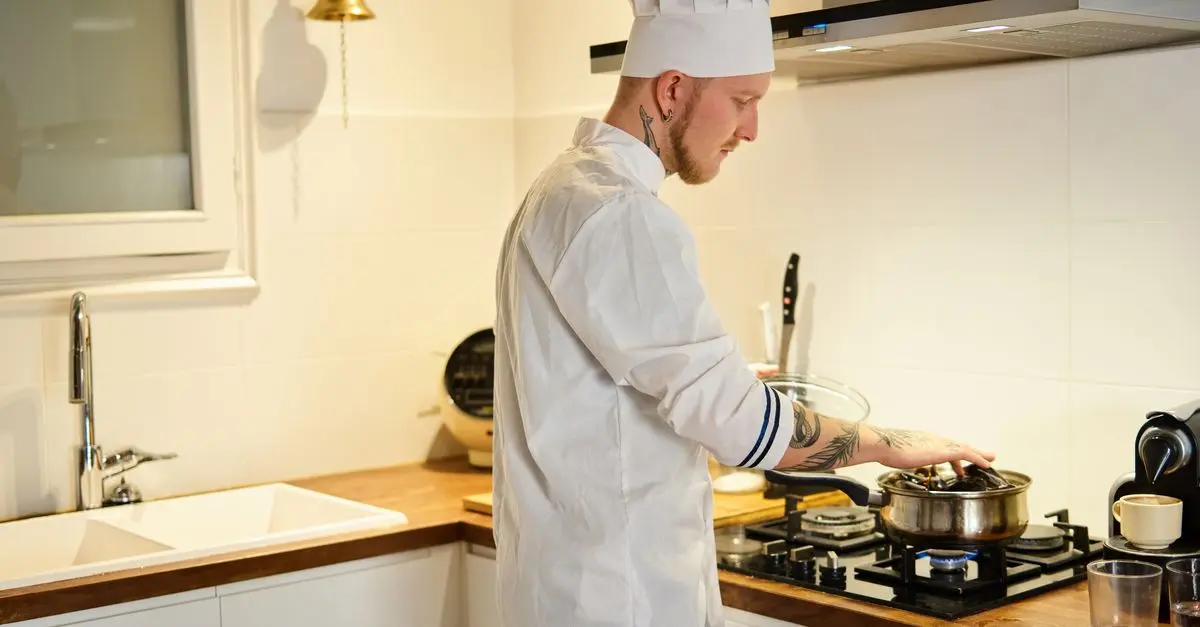
Sautéing is a popular technique that involves cooking food quickly in a small amount of fat over relatively high heat. This method is ideal for vegetables, meats, and fish, as it helps develop complex flavors while retaining nutrients. Start by heating your pan and adding oil (like olive or canola) until it shimmers, indicating it’s ready.
When adding food, ensure it's dry to achieve the desired sear and avoid steaming it. A good tip is to let go of the urge to stir constantly; instead, let the food sit and develop a crust. According to a survey by Culinary Institute of America, proper sautéing can elevate the taste of simple dishes significantly. Common pitfalls include overcrowding the pan, which can lower the pan's temperature and lead to boiling rather than sautéing—always cook in batches if necessary.
3. Baking Basics: Understanding the Science of Cooking
Baking is a precise art that requires understanding the chemical reactions that occur during the cooking process. Aspiring bakers should become familiar with the mirepoix, a mixture of onions, carrots, and celery used as a flavor base to enhance many baked dishes. Key techniques include measuring ingredients accurately using weight rather than volume, as this can greatly affect the final result.
For example, when making bread, the balance of flour, water, and yeast is crucial for texture and rise. A study published by the American Baking Guild points out that even small adjustments can result in vastly different outcomes. Another common error is not allowing sufficient time for dough to rise, which could lead to dense baked goods. Patience is key here!
4. Grilling and Broiling: Mastering High-Heat Cooking Techniques
Grilling and broiling are high-heat cooking techniques perfect for imparting rich, charred flavors to meats and vegetables. When grilling, preheat your grill to the desired temperature, and remember to oil the grates to prevent food from sticking. A professional tip is to use a two-zone method on gas grills—one side for searing and the other for cooking through at a lower temperature.
Broiling, on the other hand, uses direct heat from above. Keep a close eye on your food since broiling can quickly burn items. According to The Food Lab, maintaining a consistent distance from the heat source is critical for even cooking. A pitfall to avoid is overcrowding the grill, which can decrease heat circulation and result in unevenly cooked food.
5. Seasoning and Flavor Balancing: Creating Delicious Dishes
Seasoning is essential in elevating food from average to extraordinary. Start with the basics: salt and pepper. Salt enhances the natural flavors in food, while pepper adds warmth and complexity. Beyond that, explore herbs, spices, and acids like vinegar or citrus to brighten and balance flavors.
A common technique is taste testing at different stages of cooking. Adjusting flavors as you go creates a more harmonious dish, allowing you to refine your culinary creations. A report from The Flavor Institute highlights that experienced chefs often taste as they cook, making adjustments that lead to more rounded and sophisticated flavors. Mistakes to avoid include over-seasoning at the beginning, which can mask the food’s natural flavors; it's often best to under-season initially and adjust as needed toward the end.
📺 For Further Learning:
> Check out [The Ultimate Guide to Culinary Techniques] for an in-depth look at essential methods. Search on YouTube: "culinary skills tutorial 2026".
Checklist Before You Start Cooking
- [ ] Gather all necessary ingredients.
- [ ] Ensure your knives are sharp and tools are clean.
- [ ] Prepare a clean workspace.
- [ ] Familiarize yourself with the recipe or technique.
- [ ] Block out distractions to focus on your cooking.
Glossary
| Term | Definition |
|---|---|
| Mirepoix | A flavor base made from diced onions, carrots, and celery. |
| Sautéing | Cooking quickly in a small amount of fat over high heat. |
| Broiling | Cooking using direct heat from above, typically in an oven. |
> 🧠 Quick Quiz: What is the main purpose of marinating meat?
> - A) To store meat longer
> - B) To enhance flavor and tenderness
> - C) To change color
> Answer: B — Marinating enhances flavor and helps tenderize the meat.
📺 Pour aller plus loin : Knife Skills Progression sur YouTube