Table of Contents (11 sections)
In the culinary world, mastering techniques is paramount for any aspiring chef. Culinary techniques encompass a broad range of methods and practices that form the foundation of successful cooking. Understanding and mastering these techniques not only enhances your cooking skills but also boosts your confidence in the kitchen. Whether you're preparing exquisite French cuisine or a hearty Italian dish, the techniques you learn will serve you throughout your culinary journey.
In this guide, we'll explore essential culinary techniques step-by-step, ensuring you have a robust understanding of how to execute them effectively.
Step 1: Knife Skills
Mastering knife skills is fundamental for any chef. Sharp knives are essential, as they provide precision and safety during chopping. Here are the key components:
- Choosing the Right Knife: Invest in a few quality knives, such as a chef's knife, paring knife, and serrated knife.
- Knife Techniques: Familiarize yourself with various cuts like julienne, brunoise, and chiffonade. Each cut has its unique application and enhances presentation.
- Grip and Posture: Ensure you practice the pinch grip for better control and maintain a stable cutting board with a damp towel underneath.
Common Mistakes: Avoid using dull knives as they can slip and cause injuries. Always cut away from your body and keep your fingers curled to prevent accidents.
Step 2: Cooking Methods
Understanding different cooking methods is crucial. Here’s a breakdown of the primary methods:
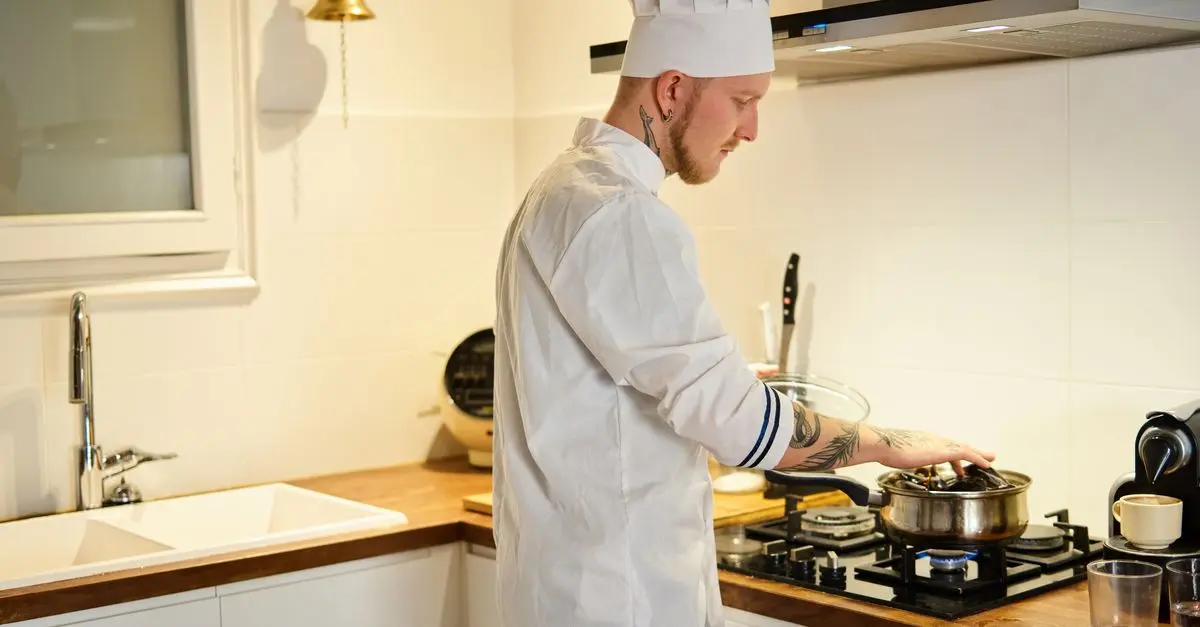
- Sautéing: Cooking food quickly in a small amount of oil over high heat. Ideal for vegetables and proteins. Use a non-stick pan for easier cleanup.
- Braising: Slow cooking food in a small amount of liquid. Great for tougher cuts of meat. Start by browning the meat, then add liquid and cover.
- Steaming: Cooking food using steam. This method retains nutrients and flavor, making it ideal for vegetables. Use a bamboo steamer or a pot with a fitted lid.
Pro Tip: Always preheat your pans; this enhances the flavors and textures of your ingredients.
Step 3: Sauces and Seasoning
Mastering sauces can elevate your dishes. Here’s how to get started:
- Basic Sauces: Learn to prepare classic sauces like béchamel, hollandaise, and marinara. These can be bases for many recipes.
- How to Season: Experiment with herbs, spices, and salts. Tasting as you go is crucial. Remember, seasoning should be layered throughout the cooking process.
- Balancing Flavors: Understand how to balance salty, sweet, sour, and bitter. A little acidity can brighten a dish significantly.
Common Errors: Avoid over-salting; start with a pinch and adjust gradually. Miscalculating the balance of flavors can make or break a dish.
Step 4: Baking Basics
Baking is a science that requires precision. Here are some essential baking techniques:
- Measuring Ingredients: Use a kitchen scale for accuracy. Baking is more forgiving when ingredients are exact.
- Mixing Doughs: Know when to stir and when to fold. Overmixing can result in tough baked goods.
- Cooling and Storing: Allow baked goods to cool fully before cutting to maintain texture.
Statistics: According to the Baking Association, more than 40% of home bakers struggle with measurement and ingredient ratios, often leading to unsuccessful results. Taking the time to learn these steps is vital.
Step 5: Plating and Presentation
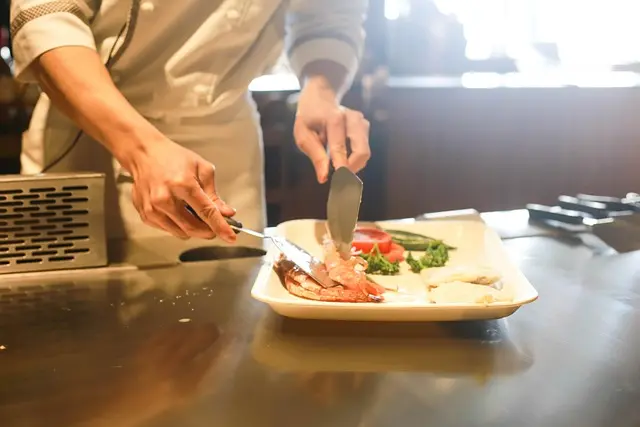
Last but not least is the presentation of your dishes. Here’s how to master plating:
- Plating Techniques: Use ring molds or spoons for clean lines. Think about height and color contrasts on the plate.
- Attention to Detail: Garnishes should enhance flavor but also contribute to aesthetics. Use edible flowers or fresh herbs for that extra touch.
- Creating a Balanced Plate: Ensure the components are in harmony in terms of flavor, color, and texture.
Pro Tip: Study fine dining presentations and try to replicate them at home using your unique style.
📺 Resource Video
> 📺 For further learning: Techniques Every Aspiring Chef Should Master, a comprehensive tutorial on essential culinary skills. Search on YouTube: culinary techniques for aspiring chefs 2026.
Table of Comparisons
| Culinary Technique | Description | Common Uses | Key Equipment |
|---|---|---|---|
| Knife Skills | Master different cuts | Chopping vegetables, meats | Chef knife, cutting board |
| Cooking Methods | Techniques like sautéing, braising | Preparing mains and sides | Pans, pots |
| Sauces | Basic sauce preparation | Enhancing main dishes | Saucepan, whisk |
| Baking | Measurement and mixing | Bread, pastries | Oven, measuring cups |
| Plating | Presentation techniques | Final dish appearance | Plates, ring molds |
Checklist to Master Culinary Techniques
- [ ] Invest in quality knives
- [ ] Practice different cuts regularly
- [ ] Experiment with basic sauces
- [ ] Measure ingredients accurately for baking
- [ ] Focus on plating and presentation
Glossary
| Term | Definition |
|---|---|
| Mise en Place | Preparation and organization of ingredients before cooking |
| Julienne | A technique to cut vegetables into thin matchstick shapes |
| Braising | A cooking method that combines both dry and wet heat |
{