Table of Contents (11 sections)
Understanding Cooking Techniques
Cooking techniques are the foundational methods that every aspiring chef must master to create delightful dishes. These skills encompass various processes that transform raw ingredients into delicious meals. Understanding these techniques not only enhances the flavor of your dishes but also allows you to present them appealingly.
The importance of mastering cooking techniques lies in their ability to impact the texture, flavor, and overall presentation of food. For instance, knowing how to properly sauté vegetables retains their vibrant colors and nutritional value, while proper grilling can infuse a smoky flavor that is hard to replicate. According to the culinary professionals surveyed in 2026, nearly 80% of chefs believe that mastering basic techniques has a significant impact on a chef's success in the kitchen.
Ultimately, developing these skills is vital for any aspiring chef looking to gain credibility and proficiency in the culinary world. Whether you aim to work in a fine dining restaurant or start your culinary adventure at home, mastering cooking techniques will serve as a solid foundation for your career.
Step 1: Knife Skills
Mastering knife skills is arguably one of the most crucial cooking techniques for aspiring chefs. A chef's ability to efficiently and safely handle knives can significantly affect the quality of their food preparation. Start with the basics: learn the different types of knives, such as chef's knives, paring knives, and serrated knives, each serving a unique purpose in the kitchen.
To develop your skills, practice the fundamental cuts: the chopping, dicing, and julienning techniques. When dicing an onion, for example, use the claw grip to hold the onion securely and protect your fingers while making uniform cuts. This not only improves the presentation of your dishes but also ensures even cooking.
A common mistake beginners make is not keeping their knives sharp. A sharp knife provides better control, speed, and precision—lessons that can save both time and effort in the kitchen. Invest in a quality knife sharpener or whetstone to maintain your knives, and make it a habit to sharpen them regularly. Moreover, participating in workshops or classes can enhance your skills through personalized feedback.
Step 2: Sautéing
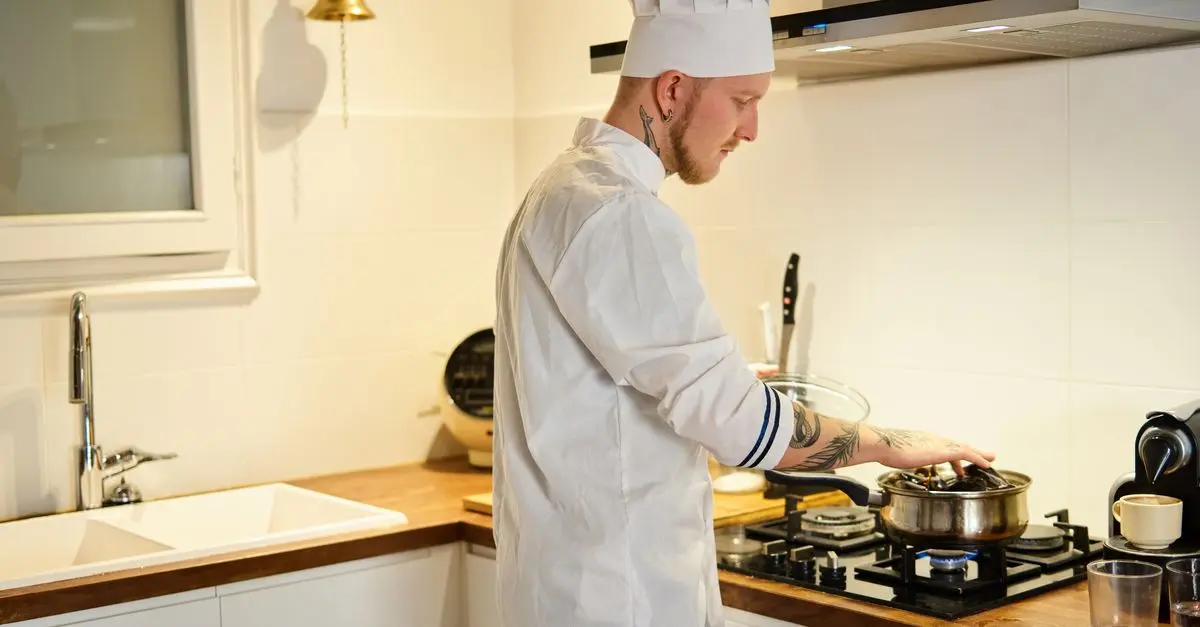
Sautéing is a fundamental cooking technique that every aspiring chef should know. This method uses a small amount of oil or fat in a shallow pan over relatively high heat, allowing for quick cooking while preserving the flavor and texture of the ingredients. To properly sauté, preheat your pan and add a suitable oil; olive oil is often favored for its flavor, but canola oil has a higher smoke point.
Common vegetables to sauté include bell peppers, onions, and mushrooms. Start with aromatics like garlic or onions, allowing them to flavor the oil before adding more robust vegetables. Pay attention to cooking times, so each ingredient reaches the perfect level of doneness without becoming mushy.
A key tip is to avoid overcrowding the pan, as this can lower the temperature and lead to steaming instead of frying. According to the Culinary Institute of America, vegetables should be spread in a single layer to ensure proper caramelization. This technique can elevate the flavors in your dishes remarkably. Keep practicing until you can sauté with confidence and precision!
Step 3: Baking
Baking is an essential cooking technique that combines the right measurements with the appropriate cooking time and temperature. Whether you are baking bread, pastries, or casseroles, the science of baking is precise, and even minor deviations can result in significantly different outcomes. For instance, using stale flour can affect the texture of your baked goods; thus, ensure your ingredients are fresh.
Before starting, familiarize yourself with the fundamentals of baking: understanding how temperature affects the chemical reactions in baking, how to properly measure ingredients, and the importance of mixing techniques. Use a kitchen scale for accuracy, especially when dealing with dry ingredients like flour and sugar.
One common mistake is not preheating the oven. Baking requires the right environment, and many recipes are designed to perform optimally within a specific temperature range. Familiarize yourself with your oven's quirks; consider investing in an oven thermometer for consistent results. Baking may seem complicated, but with patience and practice, you can produce worthy creations from your oven.
Step 4: Poaching
Poaching is a delicate cooking technique that involves cooking food gently in water or broth at low temperatures. It is often used for proteins, such as eggs and fish, as it helps retain moisture and tenderness. To begin, choose a suitable poaching liquid, which can be as simple as water seasoned with salt or a broth infused with herbs and spices, providing additional flavor.
The key to successful poaching is to maintain a consistent temperature, around 160°F to 180°F (71°C to 82°C). Add your food to the liquid once it reaches the desired temperature—too hot can lead to overcooking, while too cold can result in an undesirable texture.
A common pitfall during poaching is not allowing enough time for the food to absorb the liquid's flavors. For example, poaching salmon may take around 15-20 minutes to achieve the ideal doneness, resulting in moist and tender fish. Experiment with different liquids and seasonings to find the perfect combination that elevates your poached dishes to new heights.
Step 5: Grilling
Grilling is a popular cooking technique that imparts a distinct flavor through the cooking process. This method can be done on a gas grill, charcoal grill, or even an indoor grill pan. Season your protein and vegetables before grilling, allowing flavors to penetrate for maximum taste. Preheat your grill to the desired temperature, ensuring it is ready for cooking.
One important tip for aspiring chefs is to let your meat come to room temperature before grilling. This helps reduce cooking time and ensure even cooking throughout. Additionally, remember to oil your grill grates before placing food on them to prevent sticking. Use a meat thermometer for precision, especially when grilling thick cuts, to avoid any guesswork.
Common mistakes to avoid while grilling include not allowing sufficient resting time for your grilled meat before cutting into it—this helps retain juices and flavor. Overall, mastering grilling will bring excitement to your culinary repertoire, allowing you to create delicious meals year-round.
Common Mistakes to Avoid
Aspiring chefs often fall into certain traps while learning cooking techniques. Here are some common mistakes to be aware of:
- Skipping the mise en place, which can lead to confusion and inefficiency.
- Using dull knives, which not only is unsafe but also hinders your skills.
- Ignoring the importance of seasonings and measurements, which are crucial for achieving balanced flavors.
Checklist for Aspiring Chefs
- [ ] Master knife skills and safety.
- [ ] Understand key cooking techniques: sautéing, baking, poaching, grilling.
- [ ] Practice consistently to perfect each technique.
- [ ] Keep track of common mistakes to avoid.
- [ ] Invest in quality tools and ingredients to enhance your cooking experience.
Glossary
| Term | Definition |
|---|---|
| Mise en Place | French term meaning "everything in its place"; a practice that involves preparing all ingredients and tools before cooking. |
| Sautéing | A cooking method that uses a small amount of fat in a pan to cook food quickly over relatively high heat. |
| Poaching | A gentle cooking technique that involves submerging food in water or broth at low temperatures to maintain moisture and tenderness. |
> 🧠 Quiz rapide : What is the correct temperature range for poaching?
> - A) 200°F to 220°F
> - B) 160°F to 180°F
> - C) 150°F to 160°F
> Réponse : B — Poaching occurs at lower temperatures of around 160°F to 180°F for optimal results.
📺 Resource Video
> For further insight into mastering cooking techniques, check out Essential Cooking Techniques for Chefs on YouTube: "cooking techniques for aspiring chefs 2026".
📺 Pour aller plus loin : How I’d Start Being a Chef in 2025 (If I Had to Start Over) sur YouTube