Table of Contents (11 sections)
Introduction to Culinary Techniques
Culinary techniques are the foundation of cooking, encompassing skills every chef must master to create dishes that are not only delicious but also aesthetically pleasing. Understanding these techniques is crucial for anyone pursuing a career in the culinary arts. Skills like chopping, sautéing, and proper seasoning can significantly enhance the quality of your dishes.
In a competitive field, mastering these techniques can set you apart. For example, professional chefs often rely on their knife skills to prepare ingredients efficiently and consistently. Additionally, according to the American Culinary Federation, chefs with a strong foundation in fundamental cooking techniques are seen as more competent and are often more successful in their careers.
By honing these essential skills, you’re likely to gain confidence in the kitchen, which can lead to innovation and creativity in your cooking. Let’s dive into the essential culinary techniques every aspiring chef should master.
Essential Knife Skills
Knife skills are arguably the most important foundation for any chef. Proper technique not only improves efficiency in the kitchen but also ensures the safety of the cook. Here are some key aspects to focus on:
- Types of Knives: Familiarize yourself with various knives, including chef’s knives, paring knives, and serrated knives. Each type serves a unique purpose in food preparation.
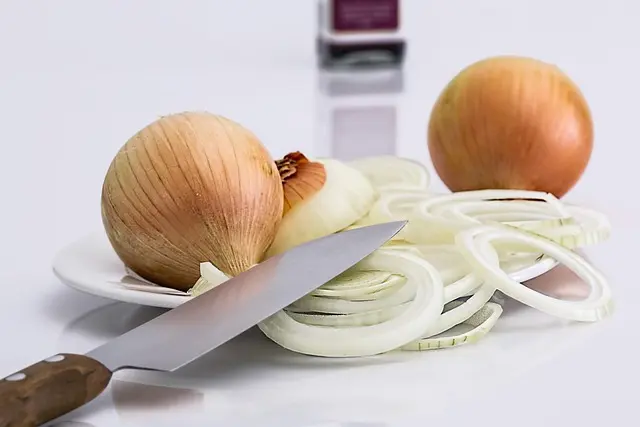
- Techniques: Learn techniques such as slicing, dicing, chiffonade, and julienne. Practicing these will help you achieve precision in your cuts, which is crucial for even cooking.
- Maintenance: Knife maintenance is critical. Regularly honing your knives keeps them sharp, ensuring safety and efficiency. Always choose a stable cutting board and practice correct grip techniques.
Avoid common mistakes like using the wrong knife for the job or not paying attention to knife safety. Proper technique can drastically enhance your dish’s final texture and flavor. Notably, taking a knife skills class can accelerate your learning process, allowing for hands-on practice.
Cooking Methods: Understanding Techniques
Knowing different cooking methods greatly enhances your culinary repertoire. Here are some key techniques:
- Sautéing: This quick method uses a small amount of oil or fat over high heat. It’s ideal for vegetables and protein, retaining flavors and nutrients.
- Roasting: A dry heat cooking method that develops rich flavors through caramelization. This method works best with root vegetables and meats.
- Poaching: Cooking food gently in a simmering liquid. Poached items, such as eggs or fish, retain flavor without added fats.
- Baking: Essential for creating pastries and bread, understanding the science of baking is vital. It involves precise measurements and temperatures for successful results.
Understanding the pros and cons of each cooking method will allow you to choose the right one for your dish. For example, sautéing is quick, but overcooking can cause ingredients to lose their texture. By mastering these methods, you’ll have the flexibility to prepare a variety of dishes tailored to different culinary needs.
Flavor Development and Pairing
Creating balanced and flavorful dishes is an art form. This section delves into:
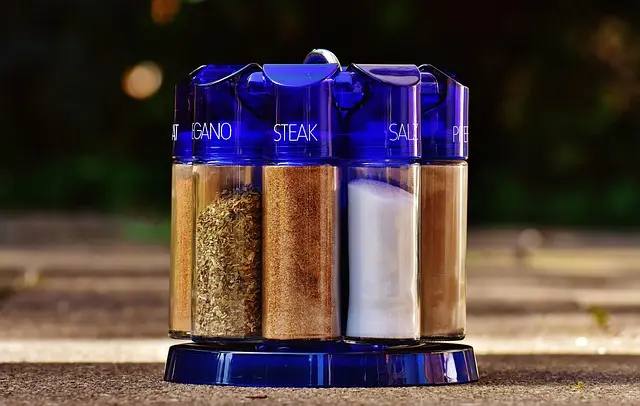
- Seasoning: Mastering the use of salt, herbs, and spices at different stages of cooking can alter a dish’s flavor profile significantly. Experimentation is key—find the perfect balance for your palate.
- Flavor Pairing: Understanding complementary flavors can make or break a dish. Ingredients like citrus and fish pair well together, while certain spices enhance the sweetness of desserts.
- Umami: Recognized as the fifth taste, umami can be enhanced through ingredients like mushrooms, tomatoes, and fermented foods. Knowing how to utilize umami can elevate your cooking.
Experiment with flavor pairing by keeping a journal of your successes and failures. Offering dishes with a harmonious balance will not only impress diners but also create memorable culinary experiences.
Presentation and Plating Techniques
Visual appeal is crucial in the culinary world. Here are techniques to consider:
- The Rule of Thirds: Use this guideline to balance the elements on the plate, placing larger foccial portions on one third and smaller aesthetics around it.
- Color Contrast: Use vibrant colors to make dishes stand out. A mix of colors creates visual interest and highlights freshness, like pairing greens with roasted reds.
- Height and Negative Space: Adding height to your plating can draw the eye and create appeal, while also utilizing negative space helps make the dish look less cluttered.
A well-presented dish can enhance perceived value and customer satisfaction. Always remember, your presentation should reflect the flavors and textures within the dish.
Common Mistakes and Best Practices
While practicing culinary techniques, chefs often overlook several key practices:
- Ignoring Knife Safety: Always cut away from yourself and maintain a stable cutting board. Poor knife handling can lead to accidents.
- Overcrowding the Pan: When sautéing, overcrowding can cause steaming instead of browning, which alters flavor.
- Neglecting to Taste: Failing to taste your dish as you cook can result in imbalances that are correctable early in the process.
Best practices include keeping a clean workstation, mise en place (having everything ready before you begin cooking), and respecting cooking times for ingredients. Cultivating these habits will make you a more efficient and skilled cook.
Checklist for Mastering Culinary Techniques
- [ ] Master basic knife skills
- [ ] Practice various cooking methods
- [ ] Experiment with flavor pairing
- [ ] Refine plating techniques
- [ ] Avoid common mistakes in the kitchen
Q: What are the most essential culinary techniques for beginners?
A: Essential techniques include knife skills, understanding cooking methods, and seasoning properly.
Q: How can I improve my flavor pairing skills?
A: Keep a journal of successful and unsuccessful pairings to learn through practice.
Q: Why is plating important in cooking?
A: Plate presentation influences perception, appetite, and overall dining experience.
Q: Are there resources to enhance culinary skills?
A: Look for cooking classes, online tutorials, and culinary books that focus on fundamental skills.
Glossaire
| Terme | Définition |
|---|---|
| Mise en place | Préparation des ingrédients et des outils avant de commencer à cuisiner, garantissant une cuisine fluide. |
| Umami | Cinquième goût distinct qui évoque la richesse et la profondeur, souvent trouvé dans les aliments tels que les tomates et les champignons. |
| Sauter | Méthode de cuisson rapide dans une petite quantité de matière grasse à feu vif. |
📺 Pour aller plus loin :
Master Culinary Techniques: A Comprehensive Guide, an in-depth look at essential skills for becoming a proficient chef. Search YouTube for: culinary techniques tutorial.
📺 Pour aller plus loin : culinary techniques tutorial 2026 sur YouTube