Table of Contents (15 sections)
Aspiring chefs embark on their culinary journey with enthusiasm and creativity. Yet, the path to becoming a seasoned chef is fraught with challenges. Let's uncover the top 10 mistakes new chefs make and how to sidestep them.
Lack of Preparation
Preparation is key in the culinary world. New chefs often dive into cooking without proper mise en place, which leads to chaotic kitchens and unfinished dishes. Mise en place, or 'everything in its place', is a foundational concept taught in culinary schools. It involves organizing all ingredients and tools before cooking begins. This not only saves time but ensures consistency in dish preparation. Think of it as building a framework upon which successful dishes are constructed.
Underestimating Ingredient Quality
The quality of ingredients can make or break a dish. Novice chefs might opt for cheaper, lower-quality produce to cut costs. While this might seem economical initially, it can compromise the taste and texture of the final dish. Using fresh, high-quality ingredients enhances flavors and provides a foundation for exceptional dishes. For example, using freshly harvested herbs can illuminate a dish in ways dried counterparts cannot.
Ignoring Kitchen Organization
An organized kitchen is a chef's sanctuary. Disorganization leads to stress and mistakes. New chefs might overlook the importance of a well-organized workspace. Implementing a system where everything has a designated spot maximizes efficiency and minimizes errors. According to industry experts, maintaining clean, organized stations reduces food preparation time by up to 20%.
Overcomplicating Dishes
Excited beginners might introduce too many elements into a single dish. This can overwhelm the palate and obscure the primary flavors. Focus on simplicity and balance. A simple dish, where each ingredient is allowed to shine, often yields the best results. Culinary icons like Marco Pierre White often stress simplicity, emphasizing respect for primary ingredients.
Neglecting Basic Techniques
The importance of basic culinary techniques cannot be overstated. Skipping traditional skills like knife handling, proper sautéing, or sauce-making can lead to inadequate dishes. Mastering these skills builds confidence and allows chefs to elevate their cooking with finesse. European Culinary Institutes often advocate revisiting foundational techniques as the bedrock for innovation.
Overseasoning
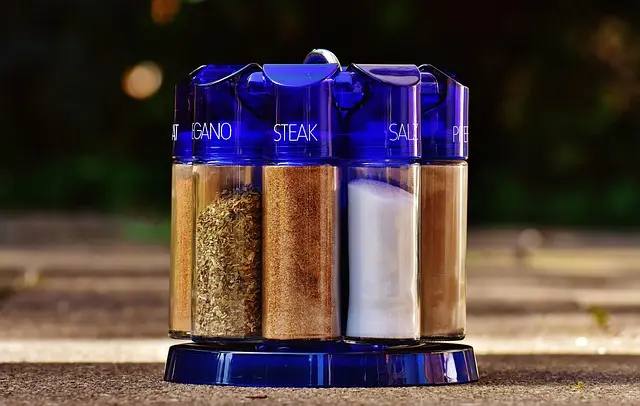
Seasoning is an art. New chefs may overdo spices and salts, leading to unbalanced flavors. It's crucial to season gradually and taste as you cook. This allows for adjustments rather than irrevocable seasoning disasters. Research by culinary magazines, suggests that proper seasoning can elevate dishes by 30% in flavor profiles.
Poor Plate Presentation
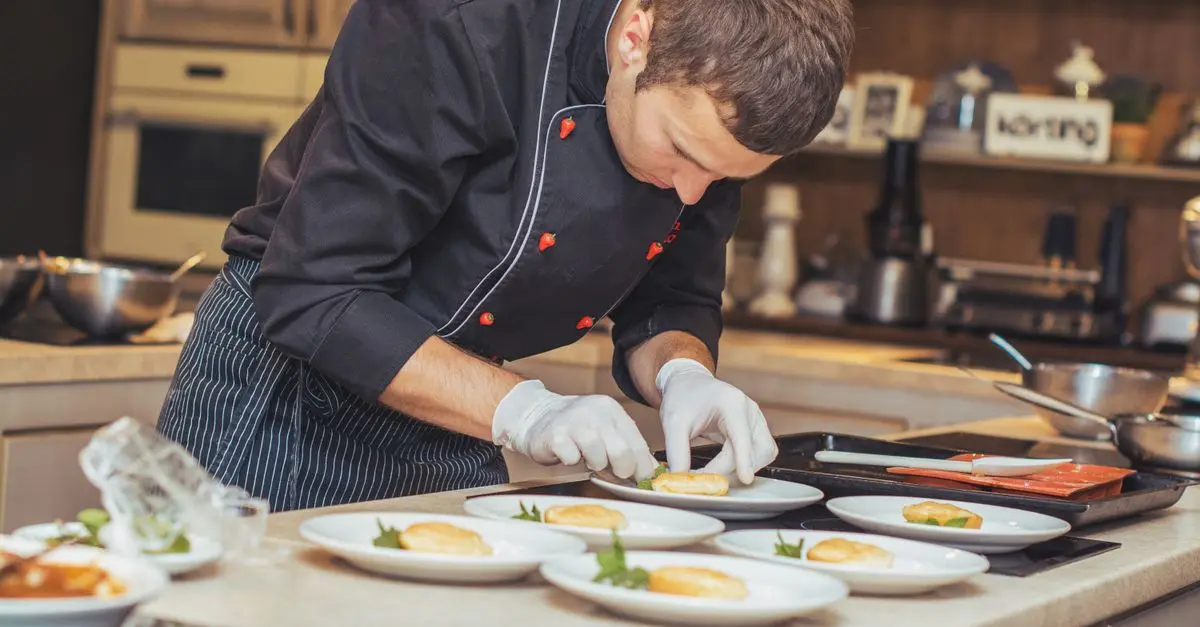
While taste reigns supreme, presentation plays a pivotal role. Neglecting the aesthetics of plating can diminish the dining experience. New chefs should learn plating techniques to enhance visual appeal. Experiment with color contrasts, textures, and symmetry to create dishes that are both eye-catching and appetizing.
Inconsistent Cooking
As consistency is crucial in professional kitchens, new chefs often struggle with it. Inconsistencies can arise from not paying attention to temperatures or cooking methods. Utilize timers and thermometers to ensure each element of the dish is prepared to its optimal state. The National Restaurant Association underscores the importance of consistency for customer satisfaction.
Misjudging Cooking Times
New chefs frequently misjudge cooking times. This results from either rushing through recipes or not accounting for variations in oven or grill performance. It's essential to understand your equipment and practice timing to perfect your dishes. Recommended times are merely guides; real expertise comes from knowing your tools inside out.
Skipping Taste Checks
Cooking without tasting is a cardinal sin in the kitchen. New chefs can be hesitant or forget to repeatedly taste their dishes, leading to unpleasant surprises at the table. Regular tasting while cooking ensures that each component is harmonized in the final dish.
📺 Resource Video
> 📺 For further insights: [How to Master Basic Cooking Techniques], offering comprehensive guidance on honing culinary skills. Search on YouTube: "culinary skills mastery 2026".
🧠 Quick Quiz
> 🧠 Quick Quiz: What is the best practice for improving kitchen efficiency?
> - A) Overusing spices
> - B) Consistent mise en place
> - C) Avoiding taste tests
> Answer: B — Consistent mise en place ensures all ingredients are organized for optimal cooking flow.
Glossary
| Term | Definition |
|---|---|
| Mise en place | Preparation of ingredients and tools before cooking. |
| Blanching | A cooking process involving boiling followed by ice water. |
| Sautéing | Cooking food quickly in a small amount of oil or fat. |
Checklist for Novice Chefs
- [ ] Set up mise en place before beginning to cook
- [ ] Use high-quality, fresh ingredients
- [ ] Keep your kitchen organized
- [ ] Master basic cooking techniques
- [ ] Regularly taste your dishes during preparation
Understanding these pitfalls and actively working to avoid them ensures a smoother and more rewarding journey in becoming a proficient chef.