Table of Contents (12 sections)
Understanding a Tasting Event
A tasting event is a curated culinary experience where chefs present various dishes for sampling, often to gather feedback or to showcase skills. The primary goal is to engage participants' senses through thoughtfully prepared courses. With the rise in food culture, such events provide a platform for chefs to innovate and receive invaluable insights. According to a report by Culinary Arts Magazine, the popularity of tasting events has doubled since 2023, underscoring their role in the culinary world.
Setting Clear Objectives
Before planning your tasting event, establish clear objectives. Are you introducing new recipes, promoting a restaurant, or targeting food critics? Each aim requires a different approach. For instance, promoting a restaurant might focus on ambiance and brand storytelling, while critic events demand exceptional culinary innovation. Avoid vague targets; specificity fosters precision in planning and execution.
Designing the Menu
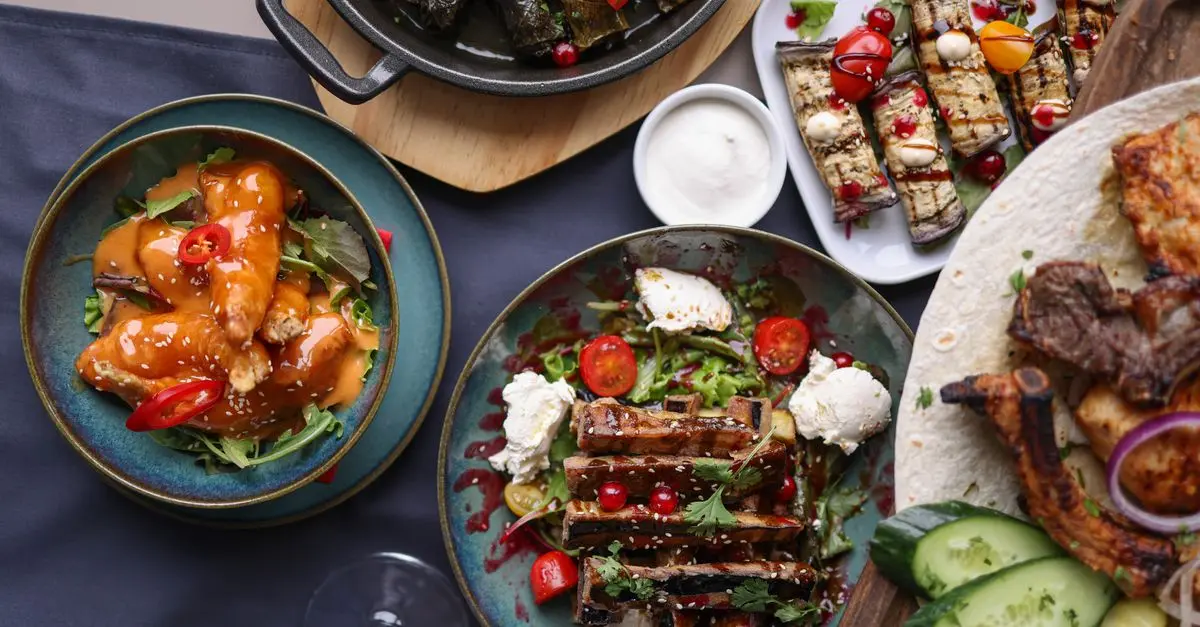
The heart of your tasting event is undoubtedly the menu. Aim for a balanced selection that includes various flavors and textures, catering to diverse palates. A popular strategy is the 'seasonal theme', aligning dishes with current produce. MasterChef Magazine suggests that creative presentation can enhance perceived value by 20%. Ensure each dish complements the next to deliver a seamless gastronomic journey.
Selecting the Venue
Choose a venue that aligns with your event's tone and theme. Elements such as location convenience, atmosphere, and amenities play significant roles. According to event planner feedback on Venue Selections Today, venues with flexible layouts and modern facilities often lead to higher attendee satisfaction. Visit venues beforehand to identify potential logistical challenges, like acoustics or lighting.
Inviting the Right Audience
A successful tasting event depends on the right mix of guests. Whether it's industry influencers, food critics, or loyal customers, the audience should align with your event's goals. Leveraging social media and personalized invitations increases engagement rates. EventBright research found that personalized invites can improve response rates by 40%, emphasizing their importance in event planning.
Executing the Event
Execution involves orchestration of numerous elements — from the setup and timing of courses to staff coordination. Hiring a professional team can alleviate stress and ensure smooth operation. Always conduct rehearsals to pinpoint potential pitfalls. According to experienced gastronomy experts, detailed pre-event rehearsals correlate with a 30% reduction in on-day issues.
💡 Expert Insight: A seasoned chef once shared, "Timing is everything. Staggering the service ensures guests savor each dish without rush."
Gathering Feedback
Post-event evaluations are crucial for improvement. Utilize surveys, feedback cards, or digital platforms to collect honest perspectives. Analyze this data to refine future events. Data from FoodEvents Insights highlights that events using post-event analytics achieve a 50% increase in satisfaction in subsequent events.
📺 Resource Video
> 📺 For further learning: Masterful Tasting Event Execution, an in-depth look at strategies for a memorable tasting experience. Search on YouTube: tasting event execution tips.
Glossary
| Terme | Définition |
|---|---|
| Gastronomy | The art or science of good eating. |
| Palate | A person's ability to distinguish between and appreciate different flavors. |
| Culinary arts | The practice of cooking and preparing food. |
Checklist
- [ ] Define clear event objectives.
- [ ] Create a balanced and innovative menu.
- [ ] Book a suitable venue.
- [ ] Send personalized invitations.
- [ ] Conduct pre-event rehearsals.
🧠 Quiz rapide:
> Q: What’s more important for a tasting event: Quality of food or guest satisfaction?
> - A) Quality of food
> - B) Guest satisfaction
> - C) Both equally
> Réponse : C — Quality and satisfaction are symbiotic in tasting events.