Table of Contents (19 sections)
What are Culinary Techniques?
Culinary techniques encompass the skills and methods used in food preparation, cooking, and presentation. These techniques form the foundation for professional chefs and home cooks alike. The ability to master these fundamental techniques not only enhances the quality of dishes served but also contributes to a deeper understanding of ingredients and their interactions. In 2026, understanding culinary techniques remains critical as dining trends evolve.
Performing well in the kitchen relies on a sound knowledge of various culinary skills. Aspiring chefs should prioritize learning essential techniques including chopping, sautéing, baking, and more. For instance, the proper knife skills can dramatically influence presentation and cooking times. Similarly, mastering the art of emulsification is crucial for creating delicious dressings and sauces.
Culinary schools often teach these fundamental skills through structured programs and hands-on practice, but self-taught chefs can also learn through dedicated practice and experimentation. Community workshops or online courses can supplement knowledge effectively.
Essential Culinary Techniques
Here’s a step-by-step guide covering essential culinary techniques every aspiring chef should master:
1. Knife Skills
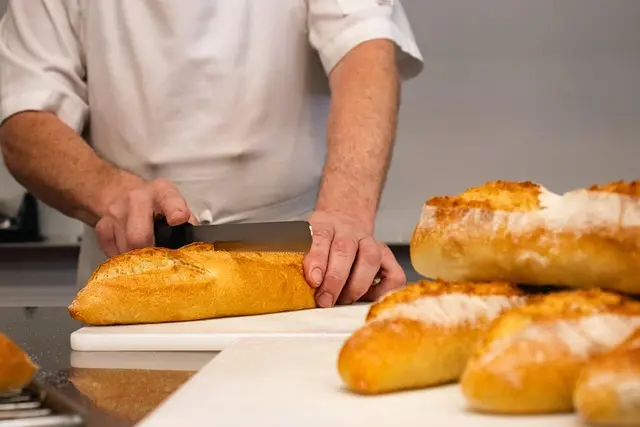
Improving your knife skills is fundamental to becoming a proficient chef. Proper cutting techniques not only enhance efficiency but also improve the aesthetic appeal of dishes.
Technique Overview:
- Chopping: Use a rocking motion with a sharp chef's knife. This technique is great for vegetables.
- Dicing: Create uniform cubes by cutting the ingredient into even slices first before turning them for uniform cuts.
- Mincing: This technique is crucial for garlic and herbs, where fine chopping releases maximum flavor.
Professional Tips:
- Always ensure your knife is sharp. A dull knife can be more dangerous and less efficient.
- Invest in a good cutting board—ideally wood or plastic— and keep it clean to maintain hygiene.
Pitfalls to Avoid:
- Sloppy knife techniques can lead to uneven cooking and presentation.
- Don’t rush the learning process; practice consistently.
2. Sautéing
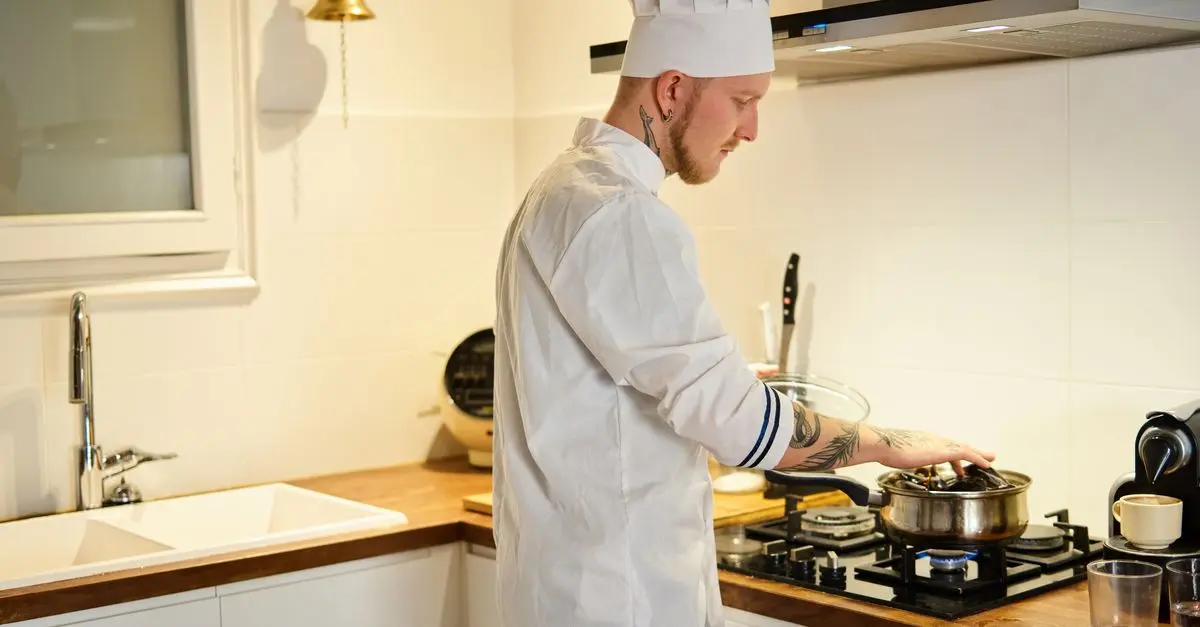
Sautéing is a versatile cooking method essential for quickly cooking meats and vegetables while preserving flavor and texture.
Technique Overview:
- Heat a small amount of oil in a pan before adding ingredients. High heat ensures a nice sear and speed up cooking.
- Properly chop ingredients beforehand to ensure even cooking.
Professional Tips:
- Avoid overcrowding the pan, which lowers the heat and leads to steaming rather than sautéing.
- Use cast iron or non-stick pans to prevent sticking and enhance flavor.
Pitfalls to Avoid:
- Don’t skip pre-heating the pan! This is what creates that beautiful crust.
- Turning ingredients too often can prevent them from browning correctly.
3. Baking and Pastry Techniques
Mastering baking techniques involves understanding the science of ingredients and their reactions.
Technique Overview:
- Measuring: Use a digital scale for accuracy—especially for ingredients like flour and sugar.
- Mixing Methods: Learn to differentiate between creaming, folding, and whisking as they affect texture and moisture.
Professional Tips:
- Preheat your oven and know the importance of oven maps to ensure even baking.
- Invest in quality bakeware as it can significantly enhance the baking process.
Pitfalls to Avoid:
- Opening the oven too frequently can disrupt temperature and cooking time.
- Not allowing butter to soften to room temperature can impact recipes like cookies and cakes.
4. Emulsification
An essential technique for creating stable sauces and dressings, emulsification involves combining two liquids that usually don’t mix, such as oil and vinegar.
Technique Overview:
- Use a whisk or blender to steadily incorporate one liquid into another.
- Known emulsions include mayonnaise, vinaigrettes, and hollandaise.
Professional Tips:
- Ensure all ingredients are at the same temperature for a smoother emulsion.
- High-quality oils and fresh ingredients enhance flavors.
Pitfalls to Avoid:
- Drizzling oil too fast or incorporating it too quickly can lead to separation.
- Using contaminated utensils can ruin the emulsion.
5. Grilling
Grilling can elevate everyday cooking through smoky flavors and enjoyable textures.
Technique Overview:
- Preheat the grill and prepare your ingredients; marinating proteins can enhance tenderness and flavor.
- Maintain proper grill temperature for the desired doneness.
Professional Tips:
- Always clean the grill grates before cooking to ensure non-stick and avoid cross-flavors.
- Use a meat thermometer to check for doneness accurately.
Pitfalls to Avoid:
- Relying on appearances alone can mislead; undercooked meat can pose health risks.
- Do not flip frequently; let the food develop grill marks and flavor.
Comparing Techniques
Here's a comparison of various culinary techniques:
| Technique | Pros | Cons | Ideal Uses |
|---|---|---|---|
| Knife Skills | Enhances efficiency and presentation | Requires practice | Prep for all cooking |
| Sautéing | Quick cooking, retains nutrients | Can overheat easily | Vegetables, meats |
| Baking | Precise results, versatile | Time and ingredient sensitive | Desserts, bread |
| Emulsification | Flavor enhancement, versatility | Potential for separation | Sauces, dressings |
| Grilling | Adds flavor, great texture | Weather dependent, setup time | Outdoor cooking, BBQs |
FAQs
What are the basic culinary techniques?
Basic culinary techniques include chopping, sautéing, baking, grilling, and emulsification. Each technique enhances different aspects of the cooking process and final dish.
How important are knife skills in cooking?
Knife skills are fundamental; they determine cooking speed, presentation quality, and safety in the kitchen. Mastering these skills is essential for any chef.
Can culinary techniques be learned online?
Yes, there are many resources available for online courses and video tutorials on culinary techniques, making learning accessible to aspiring chefs worldwide.
What is the best way to practice culinary techniques?
Practice regularly at home using different recipes that require various skills, and seek feedback from experienced cooks whenever possible.
Glossary
| Term | Definition |
|---|---|
| Emulsification | The process of mixing two immiscible liquids, like oil and water. |
| Sauté | A cooking method where food is cooked quickly in a small amount of fat. |
| Mincing | The process of cutting food into very fine pieces to enhance flavor release. |
Checklist
- [ ] Ensure all ingredients are prepped in advance.
- [ ] Familiarize yourself with knife skills.
- [ ] Practice sautéing using different vegetables.
- [ ] Experiment with baking recipes.
- [ ] Master various emulsification techniques.
- [ ] Set up a grill safely before use.
- [ ] Keep a kitchen journal to track progress and adjustments.
- [ ] Seek feedback from peers or mentors.
Quick Quiz
> 🧠 Quick Quiz: What technique involves combining oil and vinegar?
> - A) Sautéing
> - B) Emulsification
> - C) Grilling
> Answer: B — Emulsification is the proper method to combine oil and vinegar effectively.
📺 Resource Video
> 📺 For further insights: Mastering Culinary Techniques, a detailed exploration of essential cooking skills. Search YouTube for:
> culinary techniques mastered 2026.
📺 Pour aller plus loin : culinary techniques mastered 2026 sur YouTube