Table of Contents (16 sections)
- Knife Skills
- Cooking Techniques
- Flavor Combinations
- Food Safety
- Ingredient Preparation
- Presentation Skills
- Menu Planning
- Time Management
- Culinary Traditions
- Business Acumen
What Are Culinary Skills?
Culinary skills encompass a wide range of techniques and knowledge that aspiring chefs must master to succeed in the kitchen. They include everything from basic cooking techniques to advanced skills in food preparation and presentation. Mastering these skills not only enhances one's ability to create delicious dishes but also helps maintain food safety, manage kitchen operations, and work efficiently under pressure.
Importance of Culinary Skills
Understanding specific culinary skills is crucial for any aspiring chef. According to a survey by the National Restaurant Association, nearly 80% of chefs believe that having good culinary skills is more important than having a formal education. This indicates that hands-on experience and practical knowledge oftentimes outweigh theoretical learning alone. Culinary skills also integrate creativity and innovation, allowing chefs to express their unique culinary style and stand out in a competitive industry.
1. Knife Skills
Knife skills are foundational to any cook's journey. Mastering how to properly chop, dice, mince, and julienne is essential. According to Culinary Institute of America, incorrect knife techniques can lead to uneven cooking and compromised food safety. To enhance your skills, practice different cuts on a variety of vegetables and proteins. A well-maintained chef's knife can be a chef's best friend, so investing in quality tools is advised.
2. Cooking Techniques
An aspiring chef should be well-versed in various cooking techniques such as roasting, braising, sautéing, steaming, and grilling. Each technique imparts different flavors and textures to the food. For example, grilling can add a smoky flavor, while braising makes for tender meat. To improve, try cooking the same ingredient using multiple methods and notice the differences in taste and texture.
3. Flavor Combinations
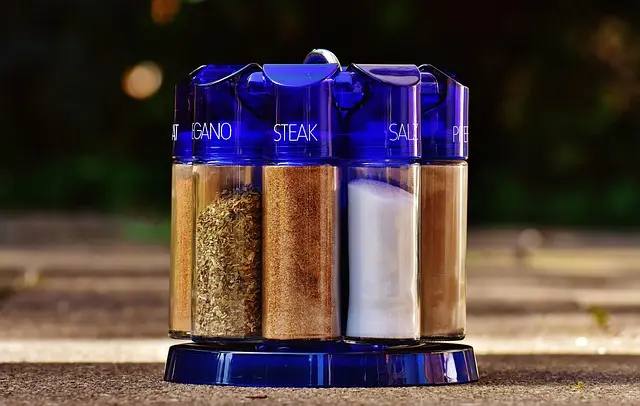
Understanding flavor profiles is key to creating balanced and interesting dishes. Essential flavor combinations often include sweet, sour, salty, and bitter. Learning about herbs, spices, and how they interact with ingredients can elevate your culinary creations. Institute of Food Technologists states that chefs often reference classic pairings, such as basil with tomatoes or chocolate with orange, to inspire new dishes. Experimenting with flavors allows flexibility and innovation in recipe development.
4. Food Safety
Food safety must never be overlooked in any culinary practice. Centers for Disease Control and Prevention (CDC) estimate that approximately 48 million people get sick from foodborne illnesses each year in the U.S. Aspiring chefs should learn about proper food storage, cross-contamination prevention, and safe cooking temperatures. Attending a food safety course will provide knowledge to handle food responsibly.
5. Ingredient Preparation
Knowing how to prepare ingredients—from cleaning and peeling to slicing and marinating—brings efficiency and quality to a chef's work. Prepare ingredients in advance to streamline the cooking process, a practice known as mise en place. This technique ensures that chefs have everything organized and ready for cooking. Dedicating time to ingredient prep not only improves workflow but also leads to better dish outcomes.
6. Presentation Skills
We eat with our eyes first; thus, food presentation is vital in culinary arts. Learning skills like plating techniques can set an aspiring chef apart. According to a study by Food and Beverage Magazine, nearly 70% of consumers are influenced by food’s appearance when making dining choices. Experiment with various plating styles, garnishing techniques, and color contrasts to refine your presentation skills.
7. Menu Planning
A successful chef should understand the art of menu planning. This involves knowing seasonal ingredients, dietary restrictions, and balancing flavors and textures. Creating a well-thought-out menu maximizes efficiency in the kitchen while minimizing food waste. Utilize analysis tools to forecast customer preferences and adapt your menus accordingly.
8. Time Management
In a fast-paced kitchen environment, time management skills are non-negotiable. Chefs must be able to juggle multiple tasks simultaneously without compromising quality, especially in high-pressure settings. Utilizing tools such as timers, kitchen templates, and checklists can enhance your efficiency. Good time management allows chefs to deliver meals in a timely manner, crucial for customer satisfaction.
9. Culinary Traditions
Understanding various culinary traditions enriches the chef's knowledge base and skill set. Learning traditional cooking styles from around the world can help inspire creativity in the kitchen. Explore techniques from French, Italian, Asian, and indigenous cuisines to diversify your culinary repertoire.
10. Business Acumen
For those considering a career as a chef, business acumen is surprisingly essential. Knowing how to manage costs, create budgets, and understand market trends can help you thrive in the culinary landscape. Consider taking courses in restaurant management or economics to develop these skills. Networking with industry professionals can provide valuable insights into best practices.
📺 Resources Video
> 📺 To go further: Chef Skills Revealed, a comprehensive analysis of essential culinary techniques. Search on YouTube: common culinary skills for aspiring chefs.
Glossary
| Term | Definition |
|---|---|
| Mise en Place | A culinary phrase meaning "everything in its place." This practice involves preparing all ingredients beforehand. |
| Plating Techniques | Methods used for arranging food on a plate to make it visually appealing. |
| Culinary Traditions | Customs and practices related to cooking and food preparation within specific cultures. |
Checklist for Aspiring Chefs
- [ ] Master knife skills
- [ ] Practice various cooking techniques
- [ ] Experiment with flavor combinations
- [ ] Learn food safety protocols
- [ ] Prepare ingredients effectively
- [ ] Refine presentation techniques
- [ ] Create a diverse menu
- [ ] Improve time management skills
- [ ] Explore culinary traditions
- [ ] Develop business knowledge
🧠 Quick Quiz: What is the most essential skill for an aspiring chef?
- A) Knife Skills
- B) Business Acumen
- C) Flavor Combinations
Answer: A — Knife skills are foundational as they impact all aspects of cooking.
📺 Pour aller plus loin : common culinary skills for aspiring chefs sur YouTube