Table of Contents (15 sections)
Becoming a chef is not just about cooking; it requires a unique set of skills that blend technical knowledge, creativity, and passion. Whether you dream of running your own restaurant or working alongside top chefs, mastering essential skills for aspiring chefs will set you apart in the culinary world. This article explores the top 10 skills that every aspiring chef must master.
1. Culinary Techniques
Mastering fundamental culinary techniques is crucial for any aspiring chef. This includes skills such as knife handling, cooking methods (like sautéing, roasting, steaming, and grilling), and ingredient preparation. For instance, knowing how to properly dice an onion can impact the texture and flavor of a dish significantly. Chefs often recommend practicing these techniques until they become second nature. Consider enrolling in a culinary school or taking workshops to refine these skills.
2. Flavor Profiles and Seasoning
Understanding flavor profiles is a skill that distinguishes great chefs. Aspiring chefs should learn how to combine herbs, spices, and other seasonings to enhance dishes. For example, knowing when to use acidic elements like lemon juice or vinegar can elevate the dish's flavor. According to a survey by Culinary Institute of America, 67% of chefs believe that mastering seasoning is crucial for culinary success. Experimenting with different cuisines can help expand your flavor knowledge.
3. Time Management
Time management in a kitchen is essential as it operates at a fast pace. Aspiring chefs must develop the ability to prioritize tasks, such as prepping ingredients while a sauce simmers. Skilled chefs often use techniques like the mise en place philosophy, where they prepare all ingredients before cooking. This method not only improves efficiency but also reduces stress during busy kitchen hours. Practicing your time management can significantly affect both your cooking and overall kitchen flow.
4. Nutrition and Dietary Restrictions
In 2026, there is an increasing demand for healthier options and awareness of dietary restrictions. For aspiring chefs, understanding nutrition, allergens, and options for special diets (like gluten-free, vegan, and keto) is vital. Knowledge of balanced meals and dietary needs will make you more competitive. The Academy of Nutrition and Dietetics states that chefs who understand nutrition can enhance customer satisfaction. Consider taking courses in nutrition to broaden your culinary repertoire.
5. Cooking in Bulk
Volume cooking is another essential skill for chefs. Many culinary establishments require chefs to prepare food in large amounts for events or services. Understanding how to scale recipes effectively without compromising quality is crucial. For example, adjusting cooking times and techniques when preparing dishes like casseroles can lead to different results. Aspiring chefs should practice batch cooking to master this skill. This not only helps with volume but also with efficiency.
6. Critical Thinking and Recipe Development
Creative problem-solving skills are vital in the culinary arts. Aspiring chefs should learn how to improvise when recipes don’t go as planned and create new dishes using available ingredients. For instance, if a recipe calls for an ingredient that’s unavailable, finding a suitable substitute can showcase your creativity. Competitive chefs often thrive by experimenting with new recipes and putting unique spins on traditional dishes. Encouraging improvisation in your cooking can boost both innovation and flexibility.
7. Communication Skills
In a kitchen environment, effective communication is key. Aspiring chefs need to convey their ideas clearly to colleagues, especially in a high-pressure situation. Poor communication can lead to mistakes and misunderstandings, affecting meal quality and service speed. Learning to articulate your thoughts and constructively receive feedback will strengthen teamwork. Culinary schools often emphasize this skill in their training modules. Practicing assertive communication in group cooking scenarios can enhance this ability.
8. Business Acumen
Understanding the business side of the culinary industry can significantly benefit an aspiring chef. Knowledge of budgeting, cost control, inventory management, and marketing can help make a kitchen run smoothly. National Restaurant Association reports that 60% of culinary employees see a career in management as a viable goal. Familiarizing yourself with menu pricing and profit margins can pave the way for career advancement. Consider studying basic business principles alongside culinary training for a well-rounded skill set.
9. Plating and Presentation Skills
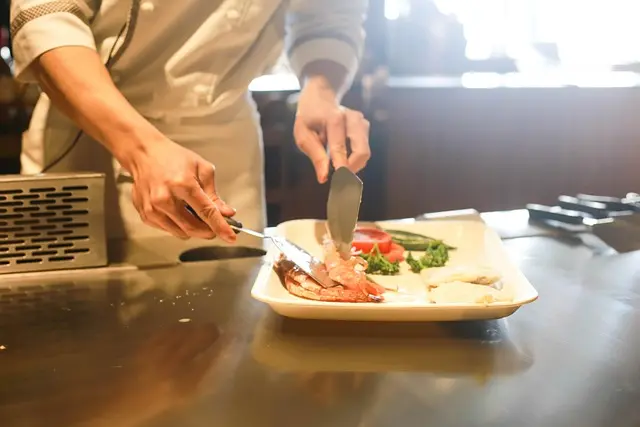
Presentation plays a key role in the dining experience. Aspiring chefs need to master plating techniques to enhance the visual appeal of their dishes. Learning the principles of balance, contrast, and negative space will help create stunning plates. For example, experimenting with colorful ingredients can make a dish pop. Industry experts often state that good presentation can elevate a dining experience and entice customers visually. Practice plating at home to refine your skills.
10. Cultural Awareness
In today's globalized culinary landscape, having a strong awareness of different cultures and their cuisines is increasingly important. Aspiring chefs should familiarize themselves with various cooking styles and ingredients from around the world. Understanding cultural significance can deepen your approach to culinary arts, enriching your creativity and menu options. For instance, exploring Asian, Mediterranean, and Latin American cuisines can offer new techniques and flavor profiles. Traveling or dining at diverse restaurants can broaden your cultural perspective.
📺 For further exploration:
Watch “Culinary Skills: Mastering the Basics” for a complete guide on essential chef techniques. Search on YouTube: "culinary skills mastery".
Conclusion
Mastering these 10 essential skills for aspiring chefs will help you not only hone your craft but also set yourself apart in a competitive industry. The culinary world is constantly evolving, and with dedication and the right skills, you can carve out a successful career for yourself.
Checklist before diving into culinary arts:
- [ ] Master basic culinary techniques.
- [ ] Explore flavor combinations and seasonings.
- [ ] Practice effective time management in the kitchen.
- [ ] Learn about nutrition and dietary requirements.
- [ ] Try your hand at volume cooking.
- [ ] Develop critical thinking and improvisation skills.
- [ ] Improve your communication strategies.
- [ ] Enhance your business knowledge.
- [ ] Experiment with plating and presentation.
- [ ] Broaden your cultural awareness and culinary exposure.
Glossary
| Terme | Définition |
|---|---|
| Mise en place | La préparation et l'organisation des ingrédients avant la cuisson. |
| Plating | Techniques utilisées pour présenter les plats de manière esthétique. |
| Volume cooking | Préparation de grandes quantités de nourriture pour des services ou événements. |
> 🧠 Quick Quiz: What is the importance of flavor profiles in cooking?
> - A) They determine the color of the dish.
> - B) They enhance the overall taste and appeal.
> - C) They are only important for desserts.
> Answer: B — They enhance the overall taste and appeal of the dish.
📺 Pour aller plus loin : cooking techniques for aspiring chefs 2026 sur YouTube