Table of Contents (20 sections)
Becoming a successful chef requires more than just a passion for cooking; it demands a mastery of essential culinary skills. In this article, we'll explore top techniques that every chef should master to elevate their craft and stand out in a competitive industry.
1. Mastering Knife Skills
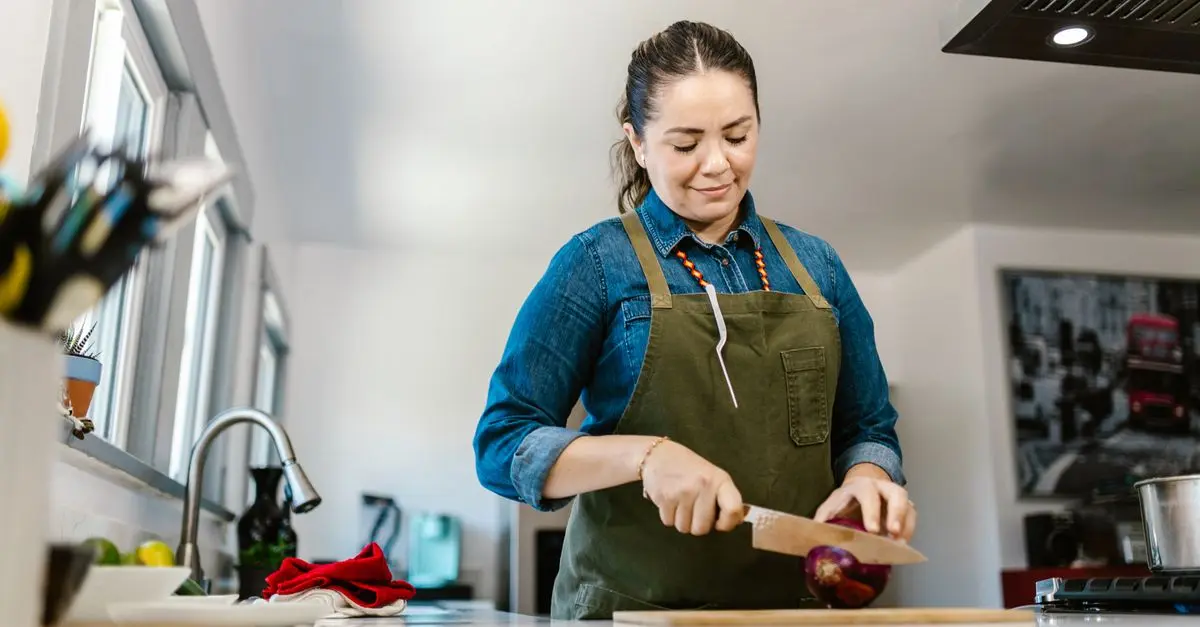
Having sharp knife skills is foundational for any chef. Precision in cutting not only enhances the presentation of dishes but also ensures that ingredients cook evenly. A good chef should know how to use various knife techniques, such as julienne, dice, and chiffonade.
Knife Techniques Breakdown
- Julienne: Cutting vegetables into thin matchsticks, perfect for stir-fries.
- Dice: Creating uniform cubes, essential for soups and stocks.
- Chiffonade: A method to finely slice leafy greens for salads or garnishes.
Practicing these skills with vegetables can greatly improve your efficiency and creativity in the kitchen.
2. Understanding Flavor Profiles
One of the most exciting aspects of being a chef is creating flavor combinations. Understanding how different ingredients complement each other is essential for developing recipes. For instance, pairing sweet and spicy can enhance many dishes, while acidic elements like citrus brighten flavors.
Building Flavor Profiles
- Sweet Meets Spicy: Combining honey and chili for marinades.
- Fat and Acid: Using olive oil with balsamic vinegar in dressings.
Experimenting with various herbs and spices can help you discover new flavor pairings that can elevate your dishes.
3. Mastering Cooking Techniques
From sautéing to sous-vide, understanding various cooking techniques is essential for every chef. Each method imparts a unique texture and flavor to food.
Key Techniques to Master
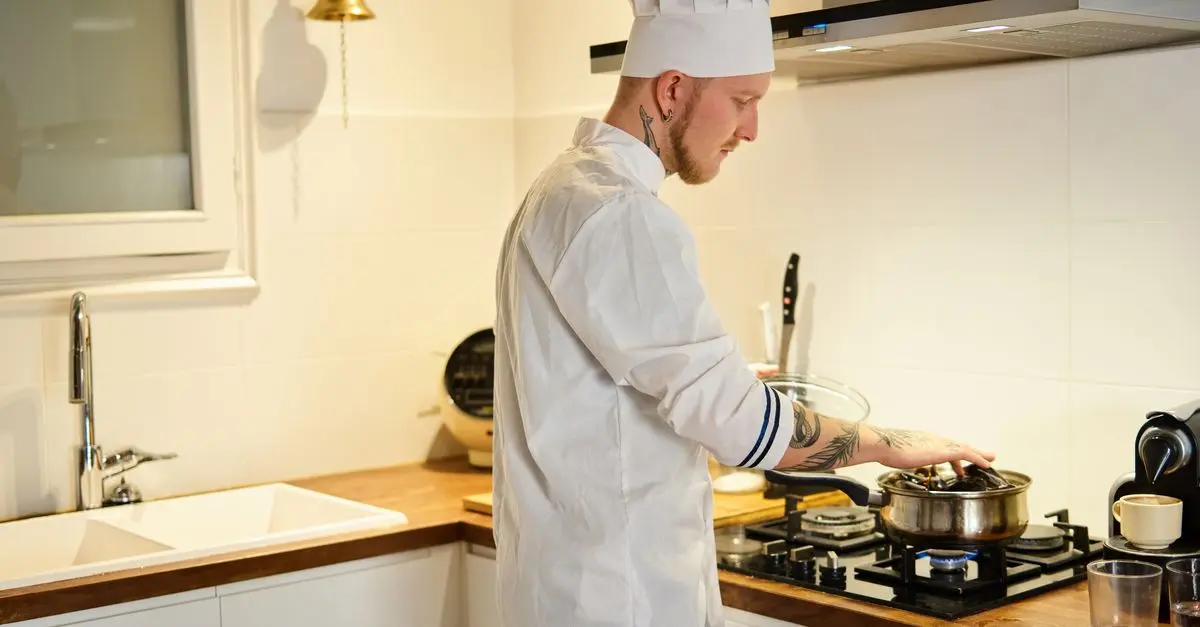
- Sautéing: Quickly cooking food in a small amount of fat over high heat—great for vegetables!
- Baking: Perfect for desserts and casseroles, understanding oven temperatures is crucial.
- Poaching: A gentler cooking technique ideal for proteins like eggs and fish.
Mastering these methods will broaden your cooking repertoire and enhance your culinary skills.
4. Ingredient Sourcing
Quality ingredients are fundamental to exceptional cooking. Knowing where to source your ingredients can drastically impact the flavor and quality of your dishes. Building relationships with local farmers and producers can be beneficial.
Benefits of Local Sourcing
- Freshness: Ingredients are usually harvested at peak ripeness.
- Sustainability: Supporting local economies can reduce your carbon footprint.
Being mindful of ingredient sourcing not only improves your culinary skills but also reinforces your commitment to sustainability.
5. Plating and Presentation Skills
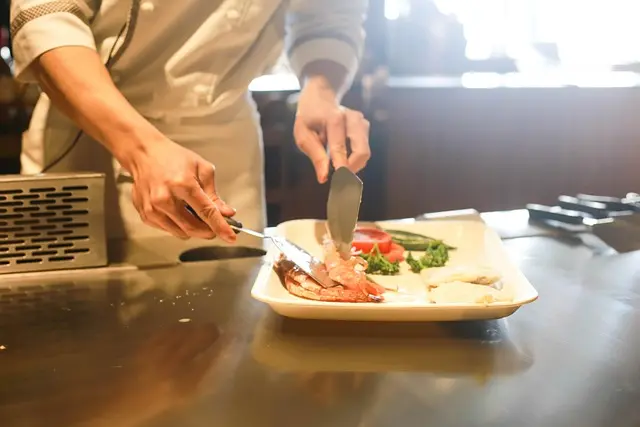
Presentation plays a significant role in how food is perceived and enjoyed. Learning to plate like a professional can elevate a dish from ordinary to extraordinary.
Tips for Perfect Plating
- Balance and Symmetry: A well-plated dish has a sense of balance that pleases the eye.
- Color Contrasts: Using colorful garnishes can make your dish pop on the plate.
Take time to practice these techniques, as a beautifully presented dish can impress anyone.
6. Practicing Techniques with Examples
Each cooking technique should not be practiced in isolation. Reinforce your skills by preparing complete dishes that incorporate multiple techniques.
Example Dishes to Practice
- Ratatouille: Use knife skills for vegetables while mastering sautéing and roasting.
- Risotto: Combine cooking techniques such as sautéing and simmering for a creamy result.
This integrated approach will solidify your culinary skills and enhance your cooking confidence.
7. Learning from Feedback
Feedback is an essential part of growth in any profession, but especially in the culinary arts. Seeking constructive criticism from colleagues can provide valuable insights into your cooking style and techniques.
How to Use Feedback
- Taste Tests: Organize group tasting sessions to gather opinions on flavor and presentation.
- Self-Reflection: After each dish, take notes on what worked and what could be improved.
Adopting a mindset of continuous learning will help you evolve as a chef over time.
8. Staying Updated with Culinary Trends
Cooking trends evolve rapidly, from sustainable practices to trendy new ingredients. Keeping up with these trends can enhance your culinary repertoire and keep your dishes fresh and exciting.
Ways to Stay Informed
- Food Magazines: Subscribe to culinary magazines like Bon Appétit and Food & Wine.
- Culinary Workshops: Participate in classes or workshops to learn about new techniques.
Continuously updating your knowledge will enhance your culinary skills and excite your future guests.
📺 Resource Vidéo
> 📺 For further exploration: How to Master Culinary Techniques, dive deeper into cooking skills with expert tutorials. Search on YouTube: "master culinary skills 2026".
Glossaire
| Terme | Définition |
|---|---|
| Julienne | Technique de coupe pour les légumes en bâtonnets fins. |
| Sautéing | Méthode de cuisson rapide à feu vif avec peu de matière grasse. |
| Plating | Art d'arranger la nourriture de manière esthétique sur une assiette. |
Checklist avant achat
- [ ] Master knife skills
- [ ] Explore flavor profiles
- [ ] Practice cooking techniques
- [ ] Source local ingredients
- [ ] Enhance plating skills
- [ ] Gather and use feedback
- [ ] Stay updated on trends
🧠 Quiz rapide : What is the benefit of sourcing local ingredients?
- A) Reduced cooking time
- B) Better freshness
- C) Easier to find
Réponse : B — Local ingredients are usually fresher, enhancing the quality of dishes.
📺 Pour aller plus loin : how to master culinary skills 2026 sur YouTube