Table of Contents (15 sections)
What are Culinary Techniques?
Culinary techniques are the foundational methods used in cooking and food preparation. These techniques encompass everything from basic knife skills to complex food plating styles, directly impacting the taste, texture, and overall presentation of a dish. Understanding these techniques is crucial for any aspiring chef as it provides the foundation needed to create diverse cuisines.
Many culinary techniques have ancient origins, but they continue to evolve with advancements in the culinary arts. For instance, techniques like sous-vide cooking have revolutionized how chefs approach flavor infusion while maintaining the food's integrity. According to UFC-Que Choisir, mastering culinary techniques not only enhances a chef’s skills but also increases kitchen efficiency and minimizes food waste.
Developing these skills requires consistent practice and dedication. From emulsion to searing, every technique offers a unique experience that contributes to the culinary landscape. In fact, experts suggest a hands-on approach, as simply reading about these techniques may not yield the same depth of understanding as actual practice.
Step-by-Step Guide to Essential Techniques
To truly master culinary techniques, it’s important to break them down into manageable steps. Here’s a closer look at some fundamental techniques every chef should learn:
1. Slicing and Dicing:
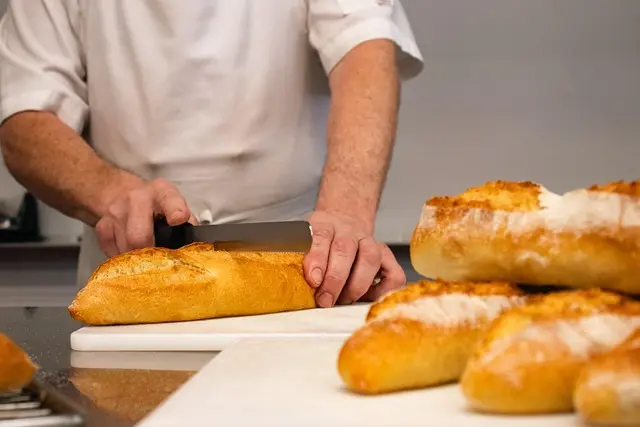
- Step 1: Start with a proper knife. A chef's knife is essential for most cutting tasks.
- Step 2: Use the right technique: ensure fingers are tucked under, gripping the knife with a firm yet relaxed hold.
- Step 3: Practice various cuts: julienne, brunoise, and chiffonade are foundational cuts that can enhance both the presentation and cooking time of your dishes.
2. Searing:
- Step 1: Heat your pan on medium-high heat until hot, then add a bit of oil.
- Step 2: Place the protein in the pan without crowding.
- Step 3: Allow it to develop a crust before flipping, ensuring not to move it too often to achieve the best results.
Mastering these steps enables chefs to cook components to the right textures and flavors. Practicing these methods regularly makes them second nature, which is essential in a fast-paced kitchen environment.
Comparing Culinary Techniques
Understanding various culinary techniques also involves comparing them to establish their strengths and weaknesses. Below is a comparative table illustrating common techniques:
| Technique | Purpose | Key Benefit | Common Uses |
|---|---|---|---|
| Searing | Browning food for flavor | Enhances taste and texture | Meats, fish, vegetables |
| Blanching | Pre-cooking to preserve texture | Retains color and nutrients | Vegetables for salads, freezing |
| Braising | Slow cooking with moisture | Deep flavor development | Stews, meats, certain vegetables |
| Sous-vide | Cooking food in vacuum-sealed bags | Precise temperature control | Proteins, vegetables |
Analytical Insights into Culinary Techniques
Recent trends indicate a shift toward health-conscious cooking methods, with many chefs adopting techniques that emphasize fresh ingredients and nutritious preparation. According to Les Numériques, the demand for healthy cooking techniques has increased by over 25% in culinary schools across the globe since 2025. This statistic highlights the importance of culinary techniques, not only for flavor but also for the health benefits they can provide.
Another key trend is the utilization of technology in cooking. Devices such as immersion circulators for sous-vide cooking exemplify how technology can enhance traditional techniques, offering chefs precision and consistency that manual methods may lack. Furthermore, the integration of sustainability in culinary practices stresses the importance of sourcing local ingredients and minimizing waste, further impacting technique choice.
Frequently Asked Questions
What are some basic culinary techniques every chef should learn?
Every chef should master basic techniques like chopping, sautéing, and baking. These form the building blocks of more advanced culinary skills.
How can I practice my culinary techniques at home?
You can practice by cooking with various recipes that challenge your skills. Focus on one technique at a time until you feel comfortable before moving on.
What is the difference between sautéing and frying?
Sautéing uses a small amount of fat and usually involves cooking food quickly over relatively high heat, while frying involves submerging food completely in hot oil.
How do culinary techniques affect food presentation?
The way food is prepared and the techniques used can significantly affect its presentation, enhancing the visual appeal while impacting flavors and textures.
Glossary
| Term | Definition |
|---|---|
| Searing | A cooking method that involves browning the surface of food to enhance flavor. |
| Braising | A technique of cooking that involves slow-cooking food in a bit of liquid. |
| Sous-vide | A method of cooking food slowly in a vacuum-sealed bag at a constant temperature. |
Checklist before Practice
- [ ] Gather all necessary kitchen tools.
- [ ] Choose fresh, quality ingredients.
- [ ] Prepare your workspace.
- [ ] Review the technique steps before starting.
- [ ] Set aside enough time for practice.
🧠 Quiz rapide : What is the primary benefit of sous-vide cooking?
- A) Quick cooking
- B) Precise temperature control
- C) High-fat content
Réponse : B — Sous-vide cooking allows chefs to maintain precise temperatures for optimal food safety and quality.
📺 For further exploration:
Watch this comprehensive video on essential culinary techniques to deepen your understanding. Search on YouTube: culinary techniques for aspiring chefs 2026.
📺 Pour aller plus loin : culinary techniques for aspiring chefs 2026 sur YouTube