Table of Contents (15 sections)
Introduction
Becoming a chef is as much about mastering culinary techniques as it is about avoiding common pitfalls. In 2026, as the cooking landscape continues to evolve, aspiring chefs must be aware of common cooking mistakes that can undermine their efforts. In this article, we’ll explore ten essential mistakes to avoid for a successful cooking journey.
Neglecting Ingredient Preparation
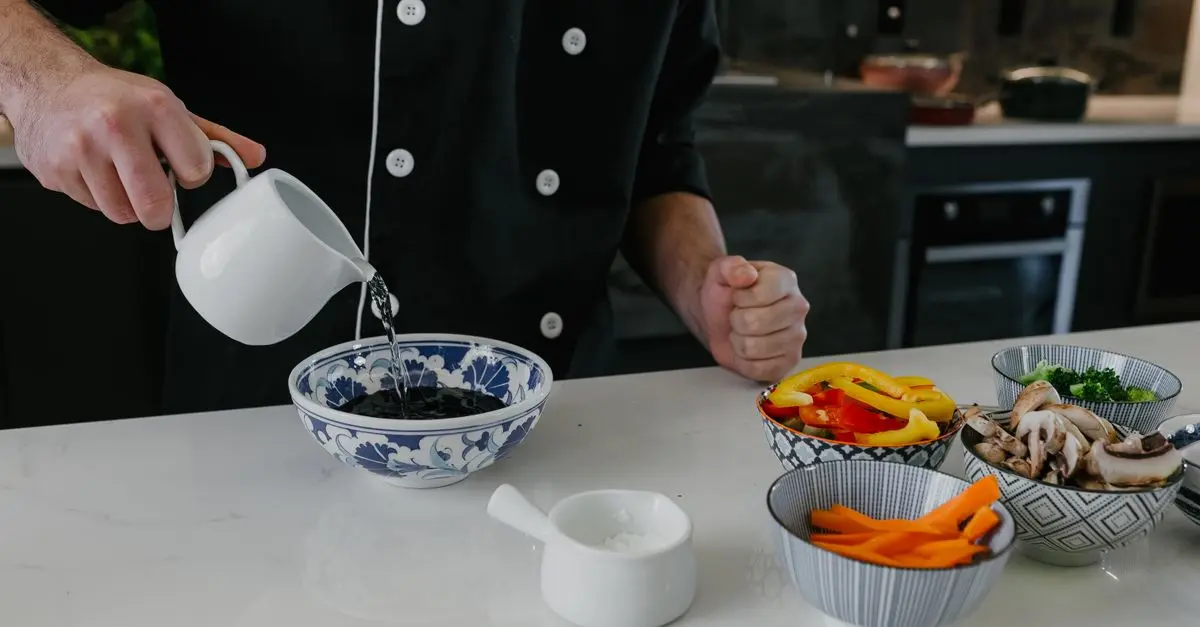
One of the most crucial cooking mistakes aspiring chefs often make is neglecting ingredient preparation. This step, often referred to as mise en place, involves gathering and preparing all ingredients before cooking. According to culinary experts, having everything ready not only saves time but also ensures that flavors are balanced and the cooking process flows smoothly.
Example: Picture a scenario where you’re mid-recipe only to realize you forgot to chop the onions. This can lead to overcooking or burning other ingredients as you scramble to prepare the missing parts. Therefore, always start by preparing your ingredients beforehand, including chopping, measuring, and even pre-cooking where necessary.
Ignoring the Importance of Seasoning
Many aspiring chefs either under-season or over-season their dishes, which can dramatically affect flavor. Proper seasoning is an art that enhances the natural flavors of your ingredients. A study from the American Culinary Federation found that the right seasoning can elevate a dish, making it more enjoyable and palatable.
Tip: Taste as you go! Begin with a light hand, and gradually add salt, herbs, or spices, testing throughout the cooking process. Pay attention while seasoning different dishes, as each ingredient will react differently when combined with various spices.
Not Using the Right Tools
Using the wrong kitchen tools is a common error that can hinder cooking efficiency and even result in poor dish quality. Each tool is designed for specific purposes, and selecting the correct ones makes a significant difference.
Here’s a quick comparison of essential kitchen tools:
| Tool | Purpose | Common Mistake | Recommended Use |
|---|---|---|---|
| Chef's Knife | Chopping, slicing, dicing | Using a dull or wrong knife | Keep knives sharp and suitable for the task |
| Cutting Board | Preparing ingredients | Chopping directly on counters | Use a variety of boards (wood, plastic) |
| Non-stick Pan | Searing without sticking | Using metal utensils with non-stick | Stick to wooden or silicone utensils |
| Measuring Cups | Accurate ingredient measurements | Eyeballing ingredients | Use for precise ratios and consistent results |
Skipping the Flavor Building Process
Many novice chefs make the mistake of skipping initial flavor-building techniques such as sautéing onions and garlic before adding other ingredients. These foundational steps create a flavor base that enriches the entire dish.
According to industry chefs, slow cooking ingredients like onions and garlic releases their natural sugars, leading to a richer flavor profile. Skipping this step can lead to a dish that tastes flat or unbalanced. Always take the time to build flavors carefully, as it can transform your meal from mediocre to exceptional.
Overcrowding the Pan
Overcrowding the pan is another trap aspiring chefs often fall into. When cooking, it can be tempting to load up the pan to save time, but this can lead to steaming instead of searing, ultimately altering the dish’s texture.
Solution: Cook in batches. If you’re frying or sautéing, ensure there is enough space between pieces. This allows for proper browning and crispiness, leading to a healthier and more pleasing dish.
Forgetting to Preheat the Oven
Preheating the oven is a step that many beginners overlook but is crucial for certain recipes, especially baked goods. Cooking food at the right temperature fundamentally affects its texture and flavor.
Statistics: According to the American Test Kitchen, nearly 75% of baking failures can be traced back to incorrect oven temperatures. Preheating ensures even cooking and helps ingredients rise correctly or develop that perfect crust. Always take the time to preheat your oven, as it is a small step that yields significant results.
Rushing Cooking Times
Patience is vital in the kitchen. Rushing through recipes can result in uneven cooking, dry meats, or overcooked vegetables. Understanding the cooking times for different ingredients is essential for achieving the desired doneness and texture.
Advice: Use a timer and give each component its required time. Familiarize yourself with cooking times for various meats, vegetables, and sauces to optimize your dishes’ palatability.
Neglecting Food Safety Practices
Finally, one of the most critical mistakes aspiring chefs make is overlooking food safety practices. Cross-contamination, improper cooking temperatures, and poor food storage can lead to foodborne illnesses. The Centers for Disease Control and Prevention (CDC) states that one in six Americans experience food poisoning each year.
Recommendations: Always wash hands, keep raw meats separate, and utilize a food thermometer to ensure meats are cooked to safe temperatures. Developing good habits early will serve you well throughout your culinary career.
📺 For more insights:
> Watch our video on common cooking mistakes every aspiring chef should avoid. Search on YouTube: common cooking mistakes aspiring chefs.
Checklist Before You Start Cooking
- [ ] Prepare all ingredients beforehand (mise en place)
- [ ] Taste as you go for perfect seasoning
- [ ] Use the appropriate kitchen tools
- [ ] Build flavors before adding main ingredients
- [ ] Avoid overcrowding pans for proper cooking
- [ ] Preheat oven before baking
- [ ] Take your time with cooking times
- [ ] Follow food safety practices strictly
Glossary
| Term | Definition |
|---|---|
| Mise en place | French culinary phrase meaning "everything in its place"; refers to prep work done before cooking. |
| Sautéing | Cooking technique that involves cooking food quickly in a minimal amount of fat. |
| Cross-contamination | The transfer of bacteria or other harmful substances from one food item to another, particularly raw to cooked food. |
Conclusion
Avoiding these cooking mistakes can set aspiring chefs on the path to culinary success. By paying attention to details, investing in the right tools, and practicing safety, you can elevate your cooking game and impress anyone at your table. Remember, the goal is continuous improvement, learning, and most importantly, enjoying the cooking process!
🧠 Quick Quiz:
> What is one essential step every aspiring chef should not skip?
> - A) Skipping ingredient preparation
> - B) Forgetting to taste while cooking
> - C) Preheating the oven before baking
> Answer: C — Preheating the oven ensures proper cooking temperatures.
📺 Pour aller plus loin : common cooking mistakes aspiring chefs sur YouTube