Table of Contents (13 sections)
- Understanding Cooking Techniques
- Mastering Knife Skills
- Sautéing: The Art of Quick Cooking
- Baking Basics: The Science of Heat
- Grilling Techniques: Cooking Over Fire
- Making Stocks and Broths
- Understanding Sauces: Building Flavor
- The Sous Vide Method Explained
- Plating: Presenting Your Dish
- Safety and Cleanliness in the Kitchen
Understanding Cooking Techniques
Cooking techniques are the backbone of any successful chef's repertoire. They refer to the various methods of preparing food to enhance flavor, texture, and presentation. Understanding these techniques is essential because they form the foundation for creating diverse dishes. By mastering specific cooking methods, such as roasting, sautéing, or grilling, aspiring chefs can adapt recipes and develop their unique culinary style. It's important to note that different techniques can influence the nutritional value and taste of food. For example, grilling often reduces fat content compared to frying, making it a healthier choice. By recognizing the importance of these methods, you can elevate your culinary skills and create impressive meals.
Mastering Knife Skills
Knife skills are critical for any aspiring chef. Mastering how to hold and use your knives can drastically change your cooking efficiency and the final quality of your dishes. Start by learning how to properly hold a chef's knife, keeping your fingers curled back to avoid cuts. Practice basic cuts such as julienne, dice, and chiffonade, as these techniques are fundamental in preparing vegetables and proteins. According to culinary experts, using a sharp knife not only enhances safety but also makes cutting easier and more precise. Invest time in honing these skills; they will serve you for a lifetime in the kitchen. Regular practice can lead to improved speed and accuracy, allowing you to tackle more complex recipes with confidence.
Sautéing: The Art of Quick Cooking
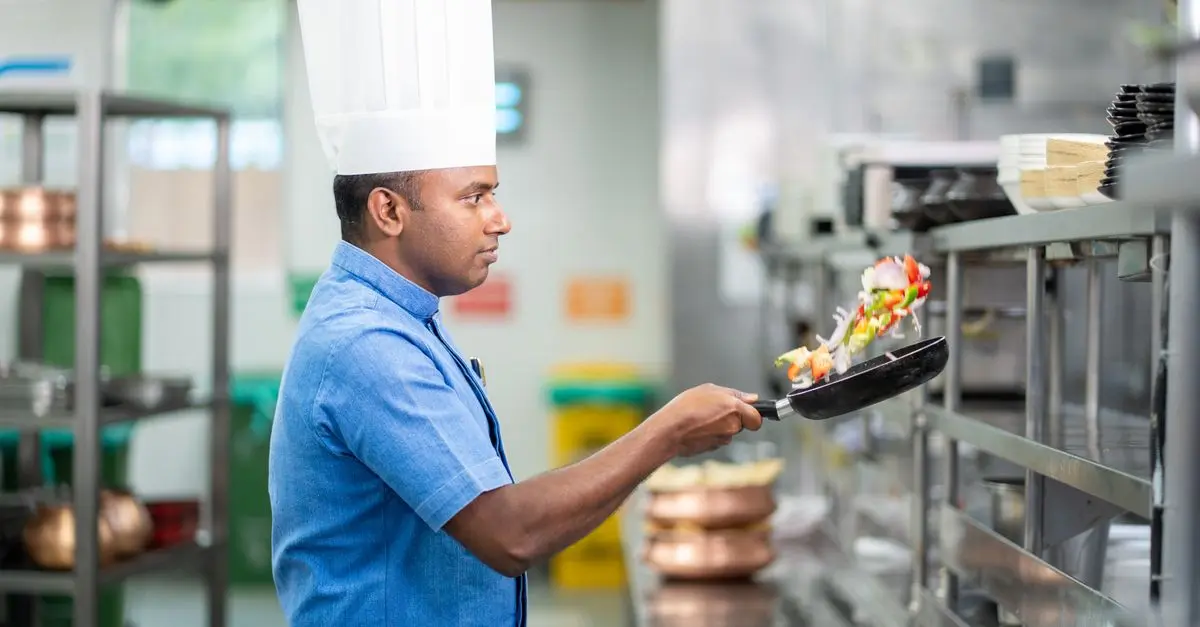
Sautéing is a cooking method that involves cooking food quickly in a small amount of oil or fat in a pan over relatively high heat. This technique is wonderful for vegetables and proteins, allowing for the development of rich flavors without losing moisture. Start by preheating your pan before adding oil to achieve the desired sear on your ingredients. For instance, when sautéing vegetables, ensure they are cut uniformly for even cooking. You can adjust the heat as needed to prevent burning. Sautéing also allows for the Maillard reaction, where sugars and amino acids create complex flavors. Thus, perfecting this technique opens up a world of culinary possibilities and delicious outcomes.
Baking Basics: The Science of Heat
Baking is more than just following a recipe; it's a science. Understanding the role of each ingredient is essential for successful baking. For example, flour provides structure, while eggs contribute moisture and richness. When baking, preheat your oven and use an accurate thermometer to ensure even results. Techniques like creaming butter and sugar help incorporate air for fluffiness in cakes. A common pitfall among novice bakers is opening the oven door too often; it can alter the temperature, affecting the final product. By mastering baking fundamentals, you can create a range of desserts that impress family and friends.
Grilling Techniques: Cooking Over Fire
Grilling is a beloved cooking technique, especially in outdoor settings. It enhances flavors through direct heat, producing a unique char on meats and vegetables. Understanding your grill, whether gas or charcoal, is crucial for controlling temperature and cooking time. A useful tip is to use different grilling zones: a high-heat area for searing followed by a lower heat zone for finishing cooking through. Marinating proteins before grilling can add depth of flavor and tenderness. Additionally, it's vital to clean your grill grates before and after use to prevent sticking and ensure better flavor retention. Grilling is not just a technique but also an experience, creating a wonderful atmosphere for gatherings.
Making Stocks and Broths
A well-made stock or broth forms the base for many soups and sauces, enriching the flavor profile of your dishes. The process typically involves simmering bones or vegetables with herbs over a low heat for several hours to extract flavors. For instance, a chicken stock includes aromatics like carrots, onions, and celery, producing a depth of flavor that’s far superior to store-bought versions. Investing time in making homemade stock is well worth the effort and provides an excellent skill to showcase in the kitchen. Once you’ve created a batch, store it in the freezer for easy access in your future cooking adventures. Skilled chefs often consider stocks the unsung hero of culinary artistry.
Understanding Sauces: Building Flavor
Sauces can transform a simple dish into a culinary masterpiece. Understanding how to make a variety of sauces, from béchamel to hollandaise, is fundamental for any aspiring chef. Sauces enhance flavor, add moisture, and improve the presentation of a dish. To start mastering sauces, focus on the five mother sauces: béchamel, velouté, espagnole, hollandaise, and tomato. Each one serves as the base for numerous variations. Additionally, learning to balance acidity and flavor profiles through reductions or the addition of herbs will improve your culinary skills significantly. Practice creating sauces that complement your main dishes as this will elevate your meals to a professional level.
The Sous Vide Method Explained
Sous vide is a cooking technique that involves sealing food in a bag and cooking it to a very precise temperature in a water bath. This method allows for perfect doneness and is favored by many culinary professionals. The idea is to cook food evenly and retain moisture and flavor. The key to successful sous vide cooking is to ensure you set the right temperature. For example, cooking steak at 133°F will achieve a perfect medium-rare. Although some consider sous vide complex, it's merely about patience and precision. This method produces results that can impress any dinner guest and is increasingly popular in home kitchens.
Plating: Presenting Your Dish
Plating is the art of showcasing your culinary creations. Beautifully presented dishes can enhance the dining experience and highlight your efforts in the kitchen. Consider the color, texture, and arrangement of each component on the plate. Techniques such as layering or stacking can create visual appeal. Use garnishes that complement the flavors of the dish, such as fresh herbs or a drizzle of sauce for contrast. Knowledge in plating can significantly influence how a guest perceives the meal, making it essential for any aspiring chef. Investing time in this technique will result in aesthetically pleasing and mouth-watering presentations.
Safety and Cleanliness in the Kitchen
Safety and cleanliness are paramount in the culinary world. Proper kitchen hygiene prevents foodborne illnesses and maintains an enjoyable cooking environment. Always wash your hands before and after handling food, and keep surfaces clean to avoid cross-contamination. Using separate cutting boards for vegetables and meat can significantly reduce the risk of bacteria transfer. Furthermore, understanding how to properly store food and recognizing expiration dates is essential for the culinary professional. By instilling a habit of cleanliness and safety in the kitchen, you not only protect yourself but also create delightful meals with confidence and care.
Checklist before Cooking
- [ ] Master basic knife skills
- [ ] Practice sautéing with various ingredients
- [ ] Create a stock or broth for future use
- [ ] Experiment with different sauces
- [ ] Organize a clean cooking space
Glossary
| Terme | Définition |
|---|---|
| Mise en Place | Une méthode qui consiste à préparer et organiser tous les ingrédients avant de commencer à cuisiner. |
| Braise | Une technique de cuisson qui implique de cuire lentement des morceaux de viande dans un liquide. |
| Emulsion | Un mélange homogène de deux substances normalement non miscibles, comme l'huile et le vinaigre. |
> 📺 Pour aller plus loin : Culinary Techniques for Beginners, a complete guide on the essential cooking methods. Search on YouTube: "cooking techniques for aspiring chefs".
🧠 Quiz rapide : What technique is essential for perfect searing?
- A) Braising
- B) Sous Vide
- C) Sautéing
Réponse : C — Sautéing involves cooking quickly at high heat for ideal searing.
📺 Pour aller plus loin : cooking techniques for aspiring chefs sur YouTube