Table of Contents (16 sections)
In the world of culinary arts, aspiring chefs must equip themselves with a robust set of skills. Mastering essential cooking techniques not only elevates your dishes but also instills confidence in your culinary journey. Understanding these techniques will help you create extraordinary meals while building your culinary foundation. Let’s explore ten crucial cooking techniques that every aspiring chef should master.
1. Knife Skills: The Foundation of Culinary Arts
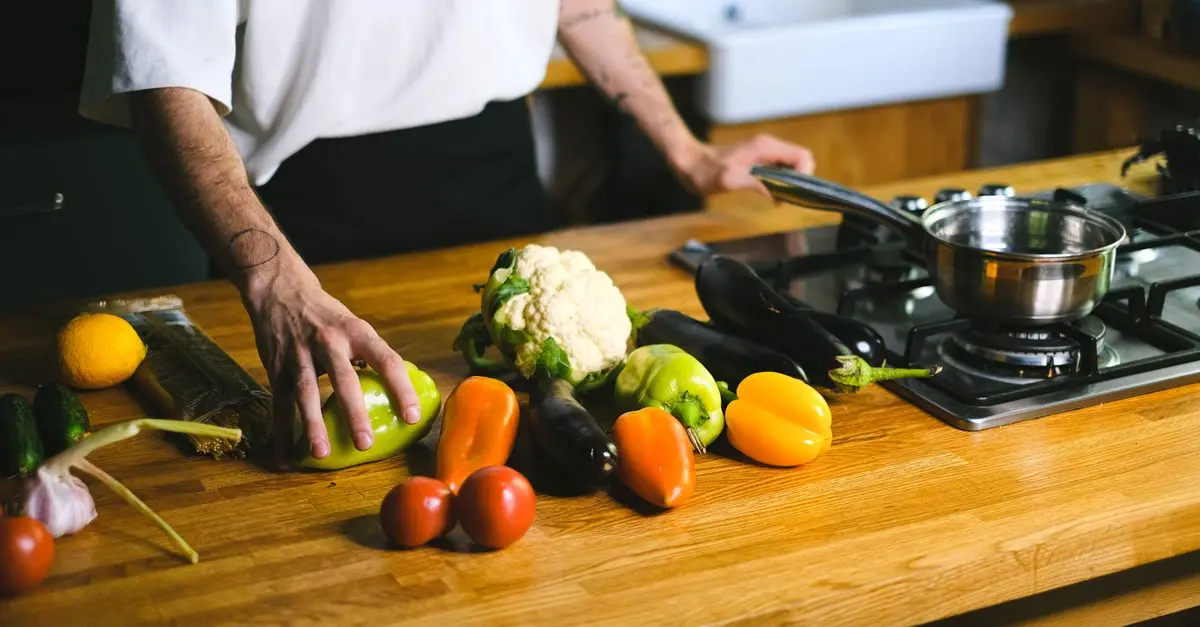
Knife skills are fundamental for any aspiring chef. Proper knife techniques enable you to chop, slice, dice, and julienne ingredients efficiently, which can save time and enhance presentation. According to culinary experts, a well-prepared mise en place (French for “everything in its place”) makes the cooking process smoother and more enjoyable. Learning various cuts, such as the brunoise or chiffonade, can also impact the texture and appearance of your dishes. Practice is key; consider enrolling in a knife skills class or watching tutorials to refine your technique.
2. Sautéing: The Art of Cooking with Heat
Sautéing is a quick cooking method that uses a small amount of fat to cook food over medium-high heat. This technique helps to lock in flavors and create a beautiful sear on meats and vegetables. The Maillard reaction, responsible for browning, occurs during sautéing, which can enhance the dish's flavor profile. To master sautéing, ensure your pan is adequately heated before adding ingredients, and avoid overcrowding the pan. This allows for even cooking and prevents soggy vegetables. Experiment with different oils and aromatics, such as garlic and onions, to elevate your sautéing skills.



3. Roasting: Transforming Flavors and Textures
Roasting is a dry cooking method that involves cooking food using hot, dry air in an oven. This technique is versatile, suitable for meats, vegetables, and even fruits. The high heat caramelizes the sugars, creating a unique depth of flavor. For aspiring chefs, understanding how to season and select appropriate roasting temperatures is vital. Ensure your ingredients are cut uniformly for even cooking, and consider using a probe thermometer to check doneness. A well-roasted chicken or seasonal vegetables can become the star of any meal.
4. Braising: A Slow-Cooked Masterpiece
Braising combines both dry and wet cooking techniques, making it ideal for tougher cuts of meat. This method involves browning the food first, then cooking it slowly in a small amount of liquid. The result is tender, flavorful dishes, such as osso buco or coq au vin. Mastering braising calls for patience, as flavors develop over time. Additionally, consider the balance of ingredients, including the liquid’s acidity and sweetness, which can dramatically impact the final outcome.
5. Grilling: A Taste of the Outdoors
Grilling is both an art and a science, requiring a good understanding of heat management and timing. Learning the differences between direct and indirect grilling methods is essential for perfecting your grilled dishes. For example, when grilling steaks, searing over high heat caramelizes the exterior while ensuring the inside remains juicy. Experiment with different marinades and rubs to add complexity to your grilled meats and vegetables. Remember to let your meat rest after grilling to allow the juices to redistribute, resulting in a more flavorful dish.
6. Baking: Precision and Technique
Baking is a precise science where even minor deviations can yield significant changes in result. Whether you’re preparing bread, pastries, or cakes, understanding the role of each ingredient is crucial. For example, the strength of flour can affect gluten development and texture, while temperature impacts rising and moisture. To become proficient, experiment with basic recipes, focusing on mastering the right baking temperatures and techniques like kneading and folding. As your confidence grows, challenge yourself with more complex baking projects.



7. Plating: The Visual Appeal
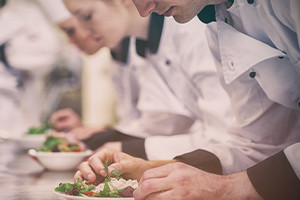
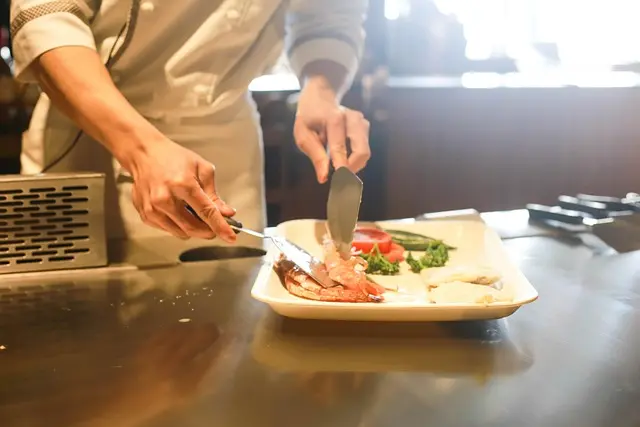
Plating is often overlooked but is a critical skill for any aspiring chef. Thoughtful presentation can elevate a simple dish into a culinary masterpiece. Techniques such as layering, using negative space, and incorporating vibrant colors can entice diners and enhance their eating experience. Taking inspiration from professional chefs or food artists can open your eyes to innovative plating methods. Remember, the goal is to create a dish that is not only delicious but also visually appealing.
8. Emulsification: Creating Visual Cohesion
Emulsification is the process of mixing two liquids that usually don’t combine, like oil and water. Mastery of this technique is vital for creating salad dressings, sauces, and mayonnaise. Understanding the role of emulsifiers, such as egg yolk or mustard, is essential for achieving a stable mixture. Tools like whisk, blender, or food processor can assist in the emulsification process. Experiment with different ratios to find what works best for your recipes.
9. Seasoning: Balancing Flavors
Seasoning is fundamental in culinary arts, transforming bland dishes into flavorful creations. Mastering the use of salt, herbs, and spices is vital. Understanding when to season during the cooking process can affect flavor absorption significantly. Consider using fresh herbs versus dried ones, as they maintain different flavor profiles. In addition, learn about taste balancing, including sweet, sour, and umami, which can elevate your cooking to new heights.
10. Food Safety: Essential Knowledge
For aspiring chefs, knowledge of food safety practices cannot be understated. Understanding proper food handling, storage temperatures, and hygiene standards ensures the health and safety of your dishes. It’s important to be aware of cross-contamination risks in the kitchen. Learning about the safe cooking temperatures for various meats and the importance of food expiration dates is also crucial. Keep your work environment clean and organized to promote a safe cooking experience.
💡 Conclusion
Mastering these ten essential cooking techniques is a foundational step for every aspiring chef. As you practice, you’ll gain confidence and skill, improving your ability to execute more complex dishes. Remember, the culinary arts require patience and practice, so keep honing your techniques! For further exploration, check out the recommended tools below that can assist you on your culinary journey.
Checklist before starting
- [ ] Practice knife skills regularly.
- [ ] Experiment with different sautéing methods.
- [ ] Try roasting seasonal vegetables.
- [ ] Master braising techniques.
- [ ] Explore grilling with varied marinades.
- [ ] Bake different types of homemade bread.
- [ ] Experiment with plating and presentation styles.
- [ ] Learn emulsification for dressings.
- [ ] Focus on balancing flavors with seasonings.
- [ ] Understand food safety principles.
📺 Resource Video
For more insights: [Explore Essential Cooking Techniques for Beginners], a detailed guide by top chefs on mastering the culinary arts. Search on YouTube: "cooking techniques for aspiring chefs 2026".
Glossary
| Terme | Définition |
|---|---|
| Mise en place | Une pratique culinaire qui consiste à préparer et organiser tous les ingrédients avant de commencer à cuisiner. |
| Maillard Reaction | Réaction chimique entre les acides aminés et les sucres qui donne une couleur brune et intensifie les saveurs des aliments cuits. |
| Emulsification | Processus de mélange de deux liquides non miscibles, comme l'huile et l'eau, pour créer une mixture stable. |
---
📺 Pour aller plus loin : essential cooking techniques for aspiring chefs 2026 sur YouTube
À lire aussi
Recommended products
Selected by our experts