Table of Contents (17 sections)
Culinary creativity is essential for anyone looking to excel in the kitchen and make a name for themselves as a chef. It’s about more than just combining ingredients; it involves experimenting with techniques, flavors, and presentation. In this article, we will explore practical steps to unlock your creative potential, helping you to stand out in a competitive industry.
Understanding Culinary Creativity
Culinary creativity refers to the ability to conceptualize and execute innovative dishes that delight the palate and engage the senses. This creativity can manifest in various forms, including the development of unique flavor combinations, imaginative plating styles, or even the application of new cooking methods. According to a survey conducted by Culinary Institute of America in 2025, 75% of professional chefs believe that creativity sets them apart in the culinary world. Thus, nurturing your culinary creativity can be the key differentiator in a crowded market.
By understanding what culinary creativity means, aspiring chefs can better focus their efforts on developing their unique style. This involves being willing to break the rules of traditional cooking to create personal and memorable dining experiences.

Step 1: Experiment with Ingredients
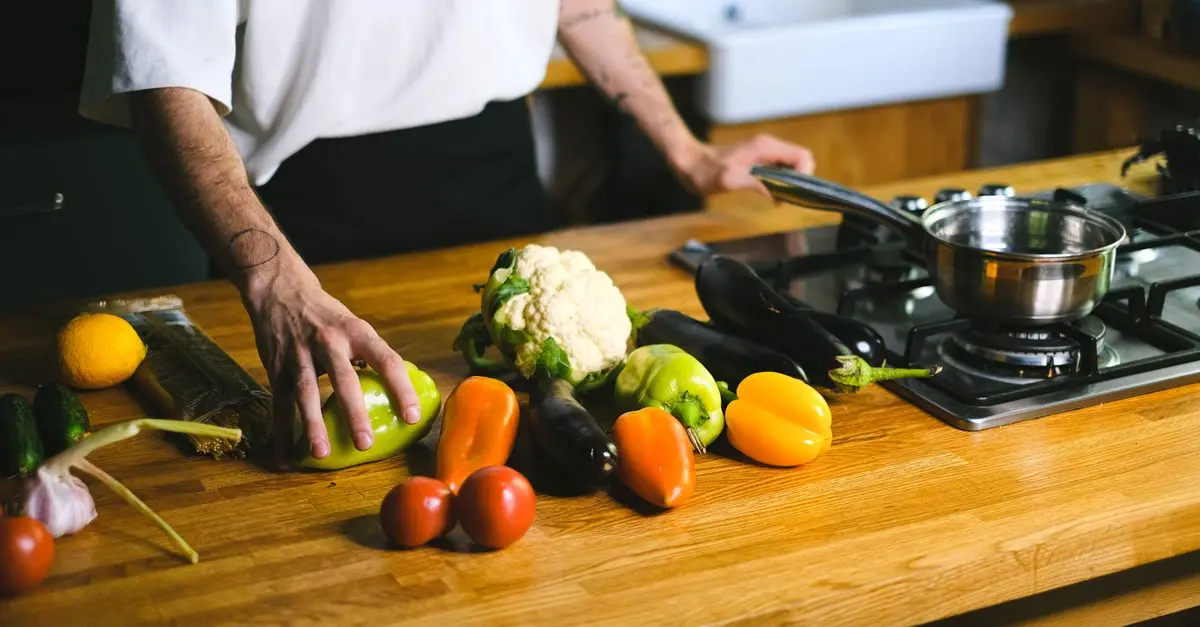
Once you grasp the concept of culinary creativity, the next step is to start experimenting with ingredients. This doesn’t mean you have to reinvent the wheel with every dish. Instead, start by altering just a few components within familiar recipes. Consider trying unusual herbs, spices, or sauces that you wouldn’t usually combine. For example, replacing basil with cilantro or using a tangy fruit-infused vinegar can bring new life to traditional dishes.
Another way to experiment is to explore local markets to discover seasonal vegetables and fruits. For instance, if you stumble upon some heirloom tomatoes, think about how they might change a classic Italian caprese salad. Understanding how various ingredients interact can lead to delightful surprises in your cooking.
💡 Chef's Tip: Make a list of your favorite dishes and brainstorm how to modify them with new ingredients. Challenge yourself to cook one new recipe each week using different ingredients.
Step 2: Master Cooking Techniques
Mastering basic cooking techniques is crucial for any aspiring chef. Techniques such as sautéing, braising, and fermentation can elevate a dish from ordinary to extraordinary. When you are proficient in these methods, you will be better equipped to experiment and innovate. According to a report by National Restaurant Association, over 60% of diners are willing to try new flavors if they are presented in familiar forms.
Focus on one technique at a time. For example, spend a week perfecting your knife skills by practicing different cuts such as julienne, brunoise, and chiffonade. As you become quicker and more efficient, you’ll feel more confident letting your creativity flow in the kitchen.
Methods to Master Cooking Techniques:
- Watch Tutorials: Platforms like YouTube have countless cooking tutorials that demonstrate various techniques.
- Practice Regularly: Set aside time each day to practice the technique until it becomes second nature.
- Seek Feedback: Invite friends or family for a taste test and ask for constructive criticism.
Step 3: Draw Inspiration from Other Cultures
Diversity in cuisine fuels culinary creativity. Explore dishes from various cultures and adapt them to your own style. For instance, if you enjoy Italian cooking, consider infusing Japanese flavors into a traditional dish like risotto. This could mean using miso instead of cheese to finish the dish.
While diving into global cuisines, pay attention to the flavor profiles, cooking techniques, and presentation styles that differ from your own. With access to international cuisine through travel, books, and online resources, you have an extensive repertoire at your fingertips.
💡 Chef's Tip: Try to cook one dish from a different culture each week. This will expand your knowledge and vary your flavor palate.
Step 4: Keep a Food Journal
Keeping a food journal can be an excellent way for aspiring chefs to track their culinary experiences and ideas. This journal shouldn't just include recipes; it should also contain notes about flavor pairings, meal presentations, and even insights gained from cooking failures. According to the American Culinary Federation, reflective practices such as journaling can improve both skill and creativity.
Your food journal can also become a source of inspiration. When you’re in a creative rut, flip through past entries to spark new ideas. Documenting your progress can also help you recognize patterns in your cooking style and skills over time.
Step 5: Take Cooking Classes
Investing in cooking classes allows aspiring chefs to learn from experienced professionals. Whether you attend virtual classes or join local workshops, structured learning environments offer valuable insights into culinary creativity. In 2026, there is a wide range of cooking classes available focused on various cuisines and techniques, catering to all skill levels.
At these classes, you can benefit from direct feedback, which can significantly enhance your creativity. You’ll also have the chance to network with like-minded individuals who can provide further inspiration and collaboration opportunities. Classes often encourage an experimental mindset, guiding you to embrace creativity in your cooking.
Checklist for Aspiring Chefs
- [ ] Explore local farmers' markets for unique ingredients.
- [ ] Document and review your cooking progress in a food journal.
- [ ] Attend one cooking class each month.
- [ ] Experiment with a new recipe weekly.
- [ ] Seek out cultural culinary inspirations.
What is culinary creativity?
Culinary creativity involves the ability to conceptualize and execute innovative dishes through experimental techniques and flavor combinations.
Why is culinary creativity important for chefs?
Culinary creativity helps chefs distinguish themselves in a competitive industry and enhances the overall dining experience for guests.
How can I improve my cooking skills?
Practice regularly, learn from professionals through cooking classes, and experiment with unique ingredients and techniques.
What sources of inspiration can I use for cooking?
You can draw inspiration from diverse cuisines, cookbooks, culinary shows, and food blogs. Visiting local restaurants can also provide fresh ideas.
Glossary
| Terme | Définition |
|---|
| Culinary Creativity | The ability to innovate and create new dishes by combining various flavors and techniques.
| Flavor Profile | A description of the combined flavor characteristics of a dish, often influenced by ingredients and preparation methods.
| Techniques | Specific methods employed to prepare food, including sautéing, boiling, and baking.
📺 For more inspiration: Watch a video on creative cooking methods for unique dishes. Search on YouTube:
creative cooking techniques 2026.
In conclusion, cultivating your culinary creativity is an essential endeavor for every aspiring chef. Embrace these steps, ensure you continually learn, and, most importantly, cook with passion! Remember, each meal is an opportunity to express your culinary voice.
We have selected several products suited for your journey in enhancing your culinary creativity; discover our recommendations below.
📺 Pour aller plus loin : creative cooking techniques 2026 sur YouTube
Recommended products
Selected by our experts
Culinary Skills and Techniques
Alison US CA
This product is relevant as it offers a comprehensive guide to culinary skills and techniques that will help aspiring chefs develop their creativity.