Table of Contents (14 sections)
1. Knife Skills
Knife skills are foundational in any kitchen. They not only ensure safety but also affect the appearance and even the flavor of dishes. Mastering different techniques—such as chopping, slicing, and dicing—is essential for efficiency. Use a sharp chef’s knife, as it makes precision easier. According to the Culinary Institute of America, proper knife skills can reduce food prep time by nearly 30%. Start with basic cuts like julienne and brunoise. Practicing on various vegetables can enhance your dexterity and confidence. Furthermore, familiarizing yourself with the maintenance of knife edges will prolong their lifespan and effectiveness.
2. Cooking Techniques
Understanding different cooking techniques can vastly improve your culinary skill set. Techniques range from roasting and braising to sautéing and steaming. Each method has its unique contribution to flavor and texture. For instance, roasting enhances sweetness in vegetables through caramelization, while steaming retains nutrients. Learn to adapt these methods based on seasonality and ingredient freshness. Having a solid grasp of when and how to use each technique empowers you to create diverse and complex dishes. According to data from Food & Wine, chefs who are well-versed in a multitude of techniques are more likely to succeed in competitive culinary environments.
3. Flavor Balancing
The art of flavor balancing is crucial for any aspiring chef. This involves knowing how to harmonize salty, sweet, sour, and bitter elements in your dishes. Learning to balance flavors can transform even the simplest of meals. A tip is to taste your dishes as you cook and adjust seasoning gradually. One technique to practice is creating a vinaigrette—combining acids like vinegar with oils in appropriate ratios. This principle can also translate to more complex dishes. According to chef Thomas Keller, mastering flavor balance is vital for any chef aiming to elevate their culinary creations.
4. Food Safety
Food safety is paramount in the culinary world. Understanding proper food handling, cooking temperatures, and storage methods prevents contamination and foodborne illnesses. You should familiarize yourself with the FDA Food Code, which outlines essential safety practices. Always wash your hands, use separate cutting boards for meats and vegetables, and store perishables properly. Keeping your kitchen clean and organized will also streamline your cooking process. The Centers for Disease Control and Prevention states that following food safety guidelines can reduce food-related illnesses by up to 50%.
5. Ingredient Knowledge
A deep understanding of ingredients is essential for any aspiring chef. This includes knowledge about seasonality, sourcing, and preparation methods. Knowing how to select ripe, fresh ingredients can significantly impact your dish's flavor and presentation. Invest time in markets and supplier visits to learn about the produce. Furthermore, familiarize yourself with herbs and spices, as they can enhance your recipes exquisitely. According to research from the American Culinary Federation, a well-informed chef creates meals that resonate more genuinely with diners.
6. Plating and Presentation
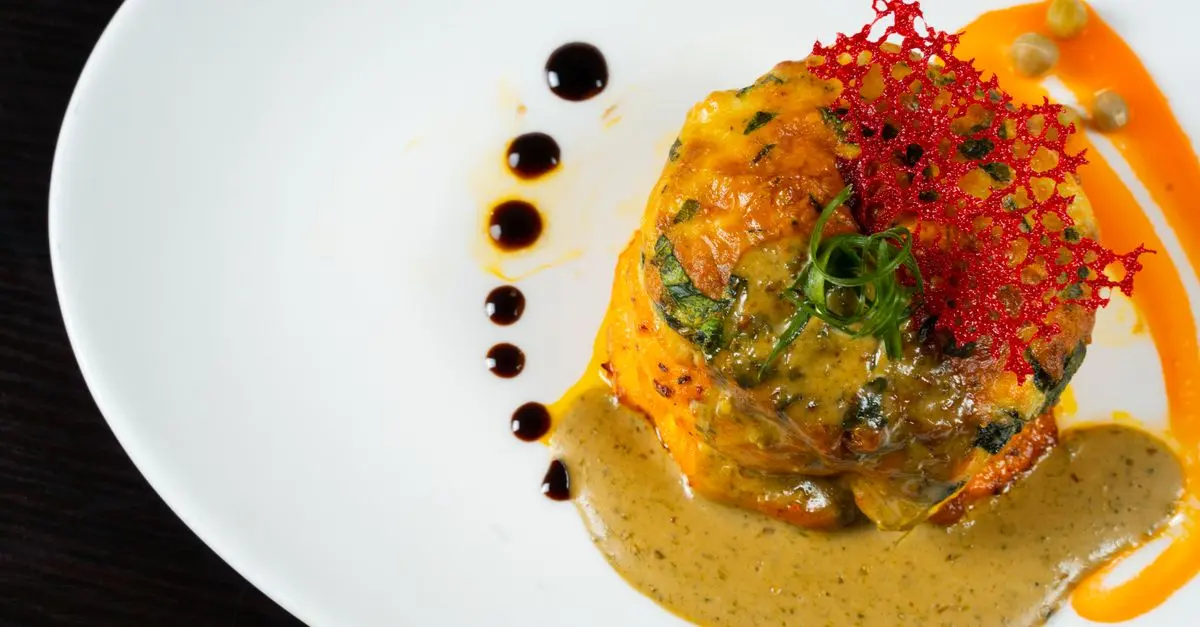
In today's culinary landscape, presentation plays a crucial role in dining experiences. Beautifully plated food enhances the overall appeal and can elevate a dish's perceived value. Experiment with different plating techniques, such as stacking or drizzling sauces. Use contrasting colors and textures to create eye-catching plates. Learning from established chefs, through platforms like MasterClass, can offer unique insights into the art of plating. Remember, as per Gordon Ramsay, "You eat with your eyes first!"
7. Menu Planning
Effective menu planning involves understanding the balance of flavors, dietary restrictions, and seasonal ingredients. An organized menu can streamline kitchen operations during service. Consider customer preferences and trends when designing your menu. A survey from Culinary Trends 2026 indicated that menus with diverse options appeal to wider audiences. Start with a small selection and expand as you gain confidence. Developing a signature dish can also help establish your culinary style and encourage repeat customers.
8. Time Management
Time management is crucial in a fast-paced kitchen environment. Learning how to prioritize tasks can lead to smoother operations. Start by timing each part of your cooking process. Use tools like timers and create prep lists to stay organized. According to Bon Appétit, skilled chefs can save up to 20% of their cooking time through effective time management. Practicing mise en place—having all your ingredients prepped and organized before cooking—can also significantly enhance efficiency.
9. Culinary Terminology
Familiarizing yourself with culinary terminology is essential for clear communication in the kitchen. Terms such as ‘sous vide’, ‘brunoise’, or ‘emulsion’ are commonplace but may confuse newcomers. Take the time to learn these terms and their applications. Engage with culinary resources like cookbooks and online classes to deepen this knowledge. The Culinary Institute highlights that chefs who understand their lexicon are better equipped to execute recipes correctly and collaborate effectively with kitchen teams.
10. Continuous Learning
The culinary world is continually evolving, making it essential to embrace a mindset of continuous learning. Attend workshops, take online courses, and follow culinary trends to stay ahead. Subscribing to culinary journals and engaging with fellow chefs also enhances your skills. Networking with professionals can lead to discovering new techniques and ideas. According to a study from National Culinary Society, chefs who invest in continuous education are more likely to achieve greater career success. Maintain curiosity and adapt to new challenges to thrive in your culinary journey.
💡 Expert Opinion: Continuous learning is vital for staying relevant in the culinary world. Regularly refine your skills and adapt to trends to enhance your expertise.
Glossary
| Term | Definition |
|---|---|
| Mise en Place | French for 'everything in its place', refers to having all ingredients prepped before cooking. |
| Sous Vide | A cooking method where food is sealed in a bag and cooked in a water bath at a precise temperature. |
| Brunoise | A technique for chopping vegetables into small, uniform cubes, roughly 1/8 inch in size. |
Checklist before Purchase
- [ ] Master basic knife skills
- [ ] Experiment with various cooking techniques
- [ ] Learn to balance flavors in dishes
- [ ] Understand food safety guidelines
- [ ] Familiarize yourself with seasonal ingredients
- [ ] Practice plating and presentation techniques
- [ ] Create a balanced menu
- [ ] Develop time management skills
- [ ] Know essential culinary terms
- [ ] Embrace continuous learning opportunities
🧠 Quick Quiz: What essential skill helps to prepare food safely?
- A) Knife Skills
- B) Food Safety
- C) Plating Techniques
Answer: B — Food safety is vital for preventing foodborne illnesses and ensuring kitchen hygiene.
📺 Video Resource
> 📺 For more insights: How to Master Culinary Skills, an in-depth look into essential techniques and tips for aspiring chefs. Search on YouTube: "culinary skills for aspiring chefs 2026".
📺 Pour aller plus loin : culinary skills for aspiring chefs 2026 sur YouTube