Table of Contents (14 sections)
Becoming a successful chef requires more than just creativity and a love for food. Aspiring chefs must hone a variety of skills to excel in the culinary world. In this article, we will explore 10 essential skills for aspiring chefs to focus on to enhance their culinary careers.
1. Culinary Techniques
Mastering foundational culinary techniques is crucial for any aspiring chef. This includes skills such as knife handling, sautéing, baking, and roasting. Knowledge of these techniques allows chefs to prepare ingredients efficiently and maintain consistency in dishes. According to a survey conducted by the Culinary Institute of America, 85% of employers prioritize technical skills when hiring chefs. Aspiring chefs should enroll in culinary classes or workshops to practice these techniques under guidance from experienced chefs.
2. Flavor Pairing and Seasoning
Understanding how flavors work together is a key skill for chefs. Knowing which spices, herbs, and ingredients complement each other can elevate a dish from ordinary to extraordinary. For example, combining citrus flavors with herbs can enhance the freshness of a dish. A recent study from Harvard University found that proper seasoning can increase food enjoyment by up to 50%. Aspiring chefs should experiment with different combinations in the kitchen and take note of what works best.
3. Time Management
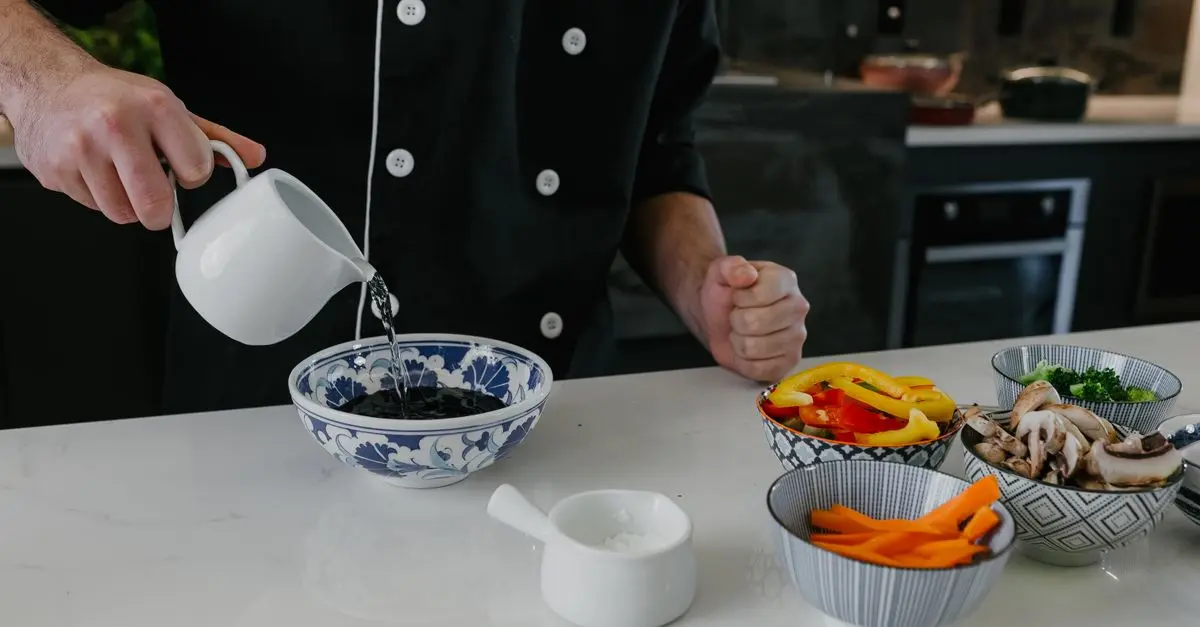
Time management is essential in a busy kitchen environment. Aspiring chefs must learn to prioritize tasks and work efficiently under pressure. For instance, having a well-structured mise en place (everything in its place) can significantly cut down preparation time. According to the National Restaurant Association, restaurants report that efficient time management directly contributes to customer satisfaction and repeat business. Aspiring chefs can practice this skill by creating timelines for their cooking processes and sticking to them rigorously.
4. Creativity and Innovation
Culinary creativity is important for chefs aiming to stand out. This involves inventing new recipes or presenting familiar dishes in innovative ways. A chef’s creativity can translate into signature dishes that attract diners and establish a restaurant's reputation. For example, trending dishes such as plant-based meat alternatives and fusion cuisine highlight the importance of creativity in culinary arts. Aspiring chefs should regularly experiment with flavors, presentations, and cooking methods to develop their unique styles.
5. Understanding Food Safety Standards
Knowledge of food safety and sanitation practices is crucial in any culinary setting. Chefs must understand guidelines for handling food, preventing cross-contamination, and ensuring that all dishes adhere to health regulations. According to the Food and Drug Administration (FDA), foodborne illnesses affect approximately 48 million people in the U.S. each year. Therefore, aspiring chefs should familiarize themselves with proper food storage, cooking temperatures, and hygiene practices.
6. Communication and Teamwork
Culinary environments are often fast-paced and demanding, making effective communication essential. Aspiring chefs must learn to communicate clearly with their kitchen teams, front-of-house staff, and suppliers. Teamwork is equally important, as many dishes require collaboration among chefs to achieve the desired outcome. According to a report by CareerBuilder, 70% of jobs require teamwork as a critical component. Building strong communication skills will help aspiring chefs foster a harmonious kitchen atmosphere and improve service efficiency.
7. Business Acumen
Understanding the business side of culinary arts is increasingly beneficial for aspiring chefs, especially those looking to run their own establishments. Knowledge of budgeting, inventory management, and marketing can significantly impact a restaurant's success. A report by Restaurant Dive states that 60% of restaurants fail within the first year due to poor business practices. Aspiring chefs should consider taking courses related to restaurant management or seek mentorship from existing restaurant owners.
8. Adaptability
The culinary world is constantly evolving due to trends, customer preferences, and food sustainability issues. Aspiring chefs must be adaptable to stay relevant in this competitive field. For instance, the rise of plant-based diets has pushed many chefs to innovate their menus accordingly. Adapting quickly to changes in ingredient availability and dietary trends can set one apart. Chefs should stay informed of industry trends and be willing to adjust their cooking styles and offerings accordingly.
9. Networking Skills
Building a professional network in the culinary industry can open doors to various career opportunities. Whether through culinary school alumni, industry events, or food festivals, connections can lead to internships, job offers, and collaborations. A study by LinkedIn found that 85% of jobs are filled through networking. Aspiring chefs should engage with fellow culinary enthusiasts, attend industry events, and participate in chef competitions to expand their networks.
10. Continuous Learning
The best chefs in the world never stop learning. Culinary arts involve a vast array of techniques, cuisines, and evolving trends. Aspiring chefs should embrace a mindset of continuous improvement, whether it be through formal education, workshops, or self-taught exploration. The James Beard Foundation emphasizes the importance of ongoing culinary education and encourages chefs to stay curious about their craft. Joining professional organizations and subscribing to culinary magazines can further enhance knowledge and skills.
📺 Ressource Vidéo
> 📺 For additional insights: Mastering Essential Techniques for Chefs, a comprehensive exploration of fundamental culinary skills. Search on YouTube: "master culinary techniques for chefs".
Glossaire
| Terme | Définition |
|---|---|
| Mise en Place | French culinary phrase meaning "everything in its place"; refers to the preparation of ingredients before cooking. |
| Culinary Arts | The art of preparing, cooking, and presenting food; it encompasses a wide range of techniques and skills. |
| Seasoning | The process of adding flavor to food through the use of herbs, spices, salt, and other flavor enhancers. |
Checklist avant achat
- [ ] Research culinary schools or classes.
- [ ] Explore different flavor pairings through experimentation.
- [ ] Create a kitchen timeline for meal preparation.
- [ ] Learn food safety regulations and best practices.
- [ ] Build a professional network in the culinary field.
🧠 Quiz rapide: Which of the following is not considered a culinary technique?
- A) Sautéing
- B) Networking
- C) Baking
Réponse : B — Networking falls outside culinary techniques but is essential for career success.
📺 Pour aller plus loin : master culinary techniques for chefs sur YouTube