Table of Contents (16 sections)
The culinary world offers a vibrant and challenging environment for aspiring chefs. While passion and creativity drive many to pursue a career in cooking, mastering essential skills for chefs is fundamental to achieving success in this competitive field. In this article, we explore the vital skills every aspiring chef must master to thrive in the kitchen.
1. Culinary Techniques
Understanding core culinary techniques is crucial for success as a chef. This includes mastering different cooking methods such as sautéing, roasting, grilling, and baking. For example, knowing how to sear meat properly can elevate a dish’s flavor profile significantly. In culinary schools, students spend hours practicing these techniques, honing their skills for texture and taste. According to the Culinary Institute of America, mastering these foundational techniques is essential for any chef aiming to create high-quality dishes. Mastery of these practices also allows for greater creativity and efficiency in the kitchen.
2. Knife Skills
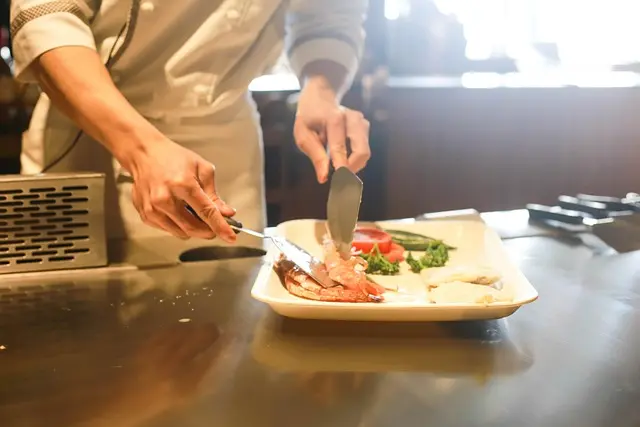
Knife skills are non-negotiable for chefs. This skill involves not just the ability to slice and chop ingredients but also knowing how to maintain knives for optimal performance. A professional chef should be able to perform various cuts, such as julienne, brunoise, and chiffonade, with speed and precision. Studies show that chefs with excellent knife skills can prepare meals quicker, enhancing workflow in busy kitchens. Regular practice and training can dramatically improve these skills, making it invaluable for any aspiring chef.
Uplift Essentials Rotatable Adjustable Tablet Stand For IPad And Tablets black 1
inspireuplift.com
Uplift Essentials Tripod Floor Tablet Stand Adjustable Heavy Duty Tablet Support Tripod Floor Tablet Stand Adjustable Heavy Duty Tablet Support
inspireuplift.com
Uplift Essentials Rotatable Adjustable Tablet Stand For IPad And Tablets silver 1
inspireuplift.com
3. Time Management
Time management is another essential skill for chefs. In a kitchen, timing can be the difference between a perfect dish and a disaster. Chefs must juggle multiple tasks and prioritize them efficiently. Techniques such as mise en place—prepping and organizing ingredients before starting to cook—are vital. According to Restaurant Magazine, chefs who implement effective time management strategies can enhance productivity and minimize stress during service. Practicing this skill can lead to smoother operations and a more enjoyable cooking experience.
4. Palate Development
Developing your palate is key to becoming a successful chef. This involves training yourself to identify flavors, textures, and aromas in food. Aspiring chefs should practice tasting various ingredients individually and in dishes to understand their profiles better. Many chefs recommend using a tasting journal to note down impressions of different flavors. This skill not only impacts dish creation but also aids in better pairing of ingredients and understanding customers' preferences. Chefs with a refined palate can create unique dishes that resonate with patrons.
5. Creativity and Innovation
Creativity sets chefs apart in a crowded landscape. Fine dining, food trucks, and casual eateries all thrive on unique dishes that draw attention. Chefs should constantly explore new flavor pairings, techniques, and presentation styles. Embracing new culinary trends and seasonal ingredients can lead to innovations in the kitchen. A 2026 study published by Food & Wine indicates that creativity in dish creation is a significant driver of customer engagement and loyalty. Workshops or culinary courses that encourage creative thinking can greatly enhance this skill.
6. Food Safety and Sanitation
Understanding food safety and sanitation is essential in professional kitchens. Chefs must know how to handle, store, and prepare food safely to minimize the risk of foodborne illnesses. Training in HACCP (Hazard Analysis Critical Control Point) can provide invaluable knowledge in this area. According to the CDC, maintaining proper sanitary practices can lead to healthier customers and prevent costly recalls or closures. Aspiring chefs should stay informed about food regulations and best practices in kitchen safety.
Uplift Essentials Rotatable Adjustable Tablet Stand For IPad And Tablets black 2
inspireuplift.com
Uplift Essentials Rotatable Adjustable Tablet Stand For IPad And Tablets silver 2
inspireuplift.com
beautyblender Beautyblender Bounce Haus Essential Trio Gift Set, - None - Size: 0.31 Oz
kohls.com
7. Menu Planning
Menu planning is a critical aspect of a chef's role, requiring creativity and business acumen. Chefs must understand seasonal ingredients, dietary restrictions, and customer preferences when designing a menu. A well-planned menu reflects a restaurant's identity and influences customer satisfaction and profitability. Tools such as cost analysis and ingredient seasonal calendars can aid in creating a desirable menu that meets both culinary and business goals. Competitive restaurants often employ menu specializations that reflect the chef’s unique vision, enhancing their brand's appeal.
8. Teamwork and Leadership
The culinary profession requires collaboration and effective communication. Aspiring chefs must develop teamwork and leadership skills to work efficiently in kitchens. Understanding how to delegate tasks, inspire staff, and maintain positive relationships is essential. According to a survey by Culinary Business Academy, kitchens that foster teamwork report higher employee satisfaction and reduced turnover rates. Chefs can develop these skills through management training and practical experience in team settings, preparing them for future leadership roles.
9. Adaptability
The ability to be adaptable is a must-have skill. The culinary landscape is ever-changing, influenced by trends, customer feedback, and ingredient availability. Successful chefs need to pivot quickly and adjust their approach as necessary. During peak hours, for instance, flexibility in recipes or staffing can ensure service remains smooth. Studies show that chefs who are adaptable can maintain composure and achieve consistent results under pressure.
10. Business Acumen
Finally, having a grasp of business acumen is increasingly vital for chefs today, especially those looking to open their own establishments. Understanding financial management, budgeting, and marketing can greatly impact a chef’s success. The current culinary landscape requires chefs to have a multi-faceted skill set, combining culinary expertise with business knowledge. Programs that offer business courses alongside culinary training can prepare aspiring chefs for the realities of managing a kitchen or restaurant effectively.
📺 Resource Video
> 📺 To explore further: Discover essential cooking techniques for aspiring chefs. Search for: essential chef skills 2026.
Glossary
| Terme | Définition |
|---|---|
| Mise en place | Une technique qui consiste à rassembler et organiser tous les ingrédients avant de commencer la cuisson. |
| HACCP | Un système de gestion de la sécurité alimentaire qui identifie, évalue et contrôle les dangers biologiques, chimiques et physiques. |
| Palate | La capacité de distinguer et d'apprécier les saveurs et les arômes dans les aliments. |
Checklist avant achat
- [ ] Maîtriser les techniques culinaires de base
- [ ] Développer des compétences en gestion du temps
- [ ] Améliorer mes compétences en sécurité alimentaire
- [ ] Concevoir un menu équilibré
- [ ] Travailler sur la créativité culinaire
Conclusion
Acquérir ces essential skills for chefs peut sembler écrasant, mais chaque compétence développée est un pas vers une carrière réussie dans la cuisine. Que vous intégriez ces compétences dans votre formation académique ou que vous les pratiquiez dans un environnement professionnel, chaque étape compte. Souvenez-vous, la clé est la pratique continue et la passion pour la gastronomie. Une fois que vous aurez maîtrisé ces compétences, votre parcours en tant que chef attirera sans aucun doute l’attention des gastronomes.
Quiz rapide
> 🧠 Quiz rapide : Quelle compétence est la plus importante pour un chef?
> - A) Créativité
> - B) Gestion du temps
> - C) Compétences en leadership
> Réponse : C — La gestion du temps est cruciale en cuisine, mais le leadership est nécessaire pour réussir dans un environnement d'équipe.
📺 Pour aller plus loin : essential chef skills 2026 sur YouTube
Recommended products
Selected by our experts
Uplift Essentials Silicone T Shaped Eye Patch For Facial Skincare Silicone T Shaped Eye Patch For Facial Skincare
inspireuplift.com


ilyeco 30Pcs Vitamin Leave In Hair Care Essential Oil, Hair Care Capsules Keratin Essence, Protein Smooth Hair Essential Oil keratin
inspireuplift.com