Table of Contents (15 sections)
Understand the Basics of Cooking Techniques
Understanding fundamental cooking techniques is crucial for elevating your skills in the kitchen. At the heart of culinary arts, these techniques form the backbone of all recipes and methods. There are various cooking techniques that every aspiring chef must grasp, such as sautéing, boiling, roasting, and grilling. Knowing when and how to use each technique effectively allows for the preparation of dishes that are not only delicious but also visually appealing.
For instance, consider the difference between sautéing and boiling vegetables. Sautéing quickly cooks the vegetables, preserving their color and crunch, while boiling often leads to a softer texture and a loss of vibrant color. This core understanding contributes to a chef's ability to innovate and adapt recipes while enhancing their overall cooking proficiency. Whether you are braising meats or preparing a quick stir-fry, mastering these foundational techniques is the first step toward becoming a culinary expert.
Develop Knife Skills
Improving your knife skills is one of the most essential cooking techniques you can embrace. Mastering how to wield a knife not only increases efficiency in the kitchen but also enhances safety when preparing food. Investing time in learning the different knife types and their specific uses will significantly elevate your culinary game.
For example, a chef's knife is ideal for slicing and dicing, while a paring knife is perfect for intricate tasks such as peeling fruits and vegetables. Moreover, practicing proper cutting techniques—such as the claw grip and the rocking motion—can drastically improve your speed and precision. Ultimately, a solid foundation in knife skills allows for smoother meal preparation and paves the way for experimenting with more complex techniques.
Master Heat Control
Heat control is another fundamental aspect that greatly impacts the outcome of any dish. Understanding how to effectively manipulate the heat source can mean the difference between perfectly cooked and overdone food. Different cooking techniques require varying levels of heat; for instance, sautéing typically involves high heat to achieve a browning effect, while simmering is performed at low heat to allow flavors to meld gently.
To fine-tune your heat management further, consider experimenting with different types of equipment. Gas stoves provide immediate heat adjustment, while electric stoves are generally more gradual in temperature changes. Utilizing a thermometer can also give insight into the current temperature you are working with, providing precise control over your cooking process.
Explore Various Cooking Methods
To become a well-rounded chef, diving deep into various cooking methods is essential. There are numerous techniques available, including baking, steaming, broiling, and braising. Each method imparts unique flavors and textures to your dishes.
For instance, baking cake requires even heat distribution, while steaming helps retain the nutrients in vegetables, making it a healthier option. Explore these methods and their ideal applications through research, or take a cooking class to experience them firsthand. Understanding when to utilize these techniques can tremendously diversify your culinary repertoire and enhance your overall skill set.
| Cooking Method | Best for | Pros | Cons |
|---|---|---|---|
| Baking | Cakes, breads | Uniform baking, builds flavor | Requires precise timing |
| Steaming | Vegetables, seafood | Retains nutrients | Limited browning |
| Sautéing | Quick dishes, stir-frying | Fast cooking, enhances flavor | Requires attention to detail |
| Braising | Tough cuts of meat | Tenderizes and intensifies flavor | Time-consuming |
For example, utilizing fresh herbs rather than dried ones can boost flavor and aroma in your dishes exponentially. Also, sourcing local and seasonal ingredients can not only elevate the quality of your meals but can also support sustainable practices within your community. Engaging with local farmers' markets can introduce you to various fresh items that can inspire new recipes and dishes in your culinary repertoire.
Learn the Art of Seasoning
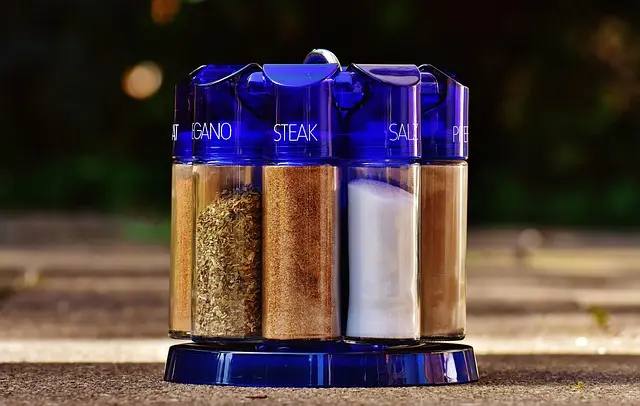
The ability to season food effectively sets apart novice cooks from experienced chefs. Learning how to balance flavors through seasoning is paramount. Salt is the foundation of seasoning, enhancing the natural flavors of your ingredients, while acids like lemon juice or vinegar can bring brightness and cut through richness.
Experimenting with different types of salts (e.g., kosher, sea salt, Himalayan) and spices can yield exciting outcomes. Using seasonings at different stages of cooking also plays a critical role. For example, seasoning meats before cooking can help retain moisture and enhance flavor. Additionally, finishing a dish with fresh herbs or a sprinkle of flaky sea salt can bring your creation to life just before serving.
Experiment with Flavor Combinations
Culinary artistry emerges from the ability to experiment with a multitude of flavor combinations. Understanding basic flavor profiles—sweet, salty, sour, bitter, and umami—can lead to creating balanced and delightful dishes. Combining these profiles can elevate your dish from mundane to extraordinary.
An excellent example is pairing sweet and salty, such as drizzling balsamic reduction over strawberries, which enhances the flavor of the fruit. Keeping a journal of different combinations and noting what works can assist in building a personal flavor library that will guide you in future culinary endeavors.
Focus on Presentation
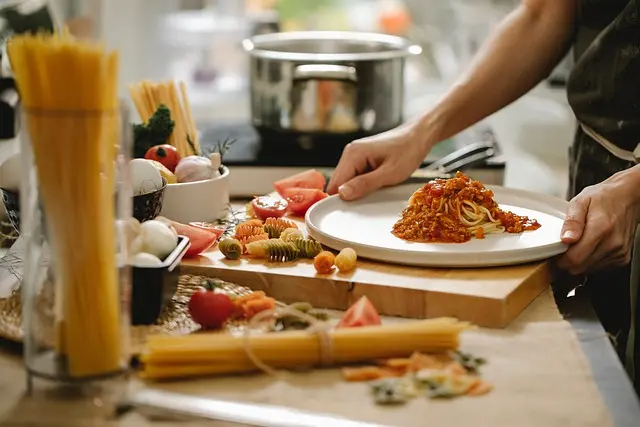
The visual presentation of your dishes plays an integral role in the overall dining experience. Mastering food presentation techniques can transform your meals into stunning culinary works of art. Simple practices, such as using garnishes effectively, can elevate a dish’s overall appeal.
Consider elements like color, arrangement, and height. A plate should be visually balanced, utilizing different colors and shapes to draw the diner's eye. They say we eat with our eyes first, and making an effort in presentation can make a significant difference during any meal, whether casual or formal.
Practice Mise en Place
Practicing mise en place—the concept of having all ingredients prepped and organized before cooking—is crucial for maintaining a smooth workflow in the kitchen. This means measuring, cutting, and arranging everything you’ll need before you actually start the cooking process.
Not only does this practice help avoid professional errors, but it also increases efficiency and encourages better focus during cooking. By having everything in place, you can facilitate a more enjoyable and less stressful cooking experience, allowing you to pay more attention to the flavors and techniques being employed.
Seek Feedback and Refine Your Skills
Finally, seeking feedback on your dishes will help you learn and grow as a chef. Engaging friends and family to taste your creations and provide constructive criticism can give you insight into areas that need improvement. Don’t hesitate to experiment and be vulnerable with your food!
Furthermore, taking classes, watching culinary shows, and reading cookbooks can expose you to various techniques and flavors that you can incorporate into your repertoire. Continuous learning and refinement will ensure your culinary journey is always evolving.
📺 Resource Video
> 📺 For more insights: Explore in-depth cooking techniques and tips for enhancing your kitchen skills. Search on YouTube: how to perfect cooking techniques 2026.
Glossary
| Term | Definition |
|---|---|
| Mise en Place | A French culinary phrase meaning "everything in its place"; refers to the prep and organization of ingredients before cooking. |
| Umami | A savory flavor profile, often associated with foods rich in glutamate, such as soy sauce or aged cheese. |
| Sautéing | A cooking technique involving cooking food quickly in a small amount of oil or fat over relatively high heat. |
Checklist before cooking
- [ ] Understand basic cooking techniques
- [ ] Develop your knife skills
- [ ] Master heat control
- [ ] Explore various cooking methods
- [ ] Use quality ingredients
- [ ] Practice seasoning techniques
- [ ] Experiment with flavor combinations
- [ ] Focus on the presentation of dishes
- [ ] Organize through mise en place
- [ ] Seek feedback for improvement
Conclusion
By implementing these ten essential steps and mastering your cooking techniques, you are set to elevate your cooking skills to the next level. Whether you dream of becoming a chef in a professional kitchen or simply want to impress friends and family with your culinary prowess, these foundational steps are non-negotiable.
Get out there, make delicious food, and have fun while doing it! Happy cooking!
📺 Pour aller plus loin : how to perfect cooking techniques 2026 sur YouTube