Table of Contents (15 sections)
Becoming a chef is a journey that is as exciting as it is demanding. The culinary industry is vibrant and filled with opportunities, but it also comes with its own set of challenges. For new chefs, understanding how to navigate this landscape is crucial for success. In this article, we will explore ten essential tips for new chefs to help them thrive in their culinary careers.
1. Embrace Continuous Learning
The culinary world is ever-evolving, with new techniques, trends, and ingredients emerging constantly. New chefs should embrace a mindset of continuous learning. Whether through formal education, workshops, or self-study, investing time in enhancing culinary skills is vital. Many respected culinary schools offer courses that even experienced chefs can benefit from, keeping them updated on the latest in the industry. For instance, The Culinary Institute of America is renowned for its innovative programs. The better informed you are, the better equipped you’ll be to create exceptional dishes that impress customers and employers alike.
2. Master the Basics
Before diving into intricate cooking techniques, it’s imperative for new chefs to master the basics. Skills such as knife handling, basic cooking techniques, and sanitation practices are fundamental. These skills not only form the foundation for advanced cooking but also enhance efficiency and safety in the kitchen. According to a survey by Zagat, over 70% of diners appreciate a well-presented dish but recognize that it all starts with cooking fundamentals. A strong command of the basics can set you apart in a competitive field.



3. Develop Your Palate
Having a developed palate is essential for any chef. This skill allows you to identify and adjust flavors, ensuring every dish you create is balanced and appealing. New chefs should spend time tasting different cuisines and ingredients and experimenting with their unique flavor profiles at home. This not only improves cooking skills but can inspire creativity and confidence in the kitchen. Tasting the same dish made by different chefs can provide insights into how subtle adjustments can affect the overall presentation and flavor of a meal.
4. Build a Strong Network
Networking within the culinary community can open many doors for new chefs. Establish connections with experienced chefs, suppliers, and fellow culinary students through industry events, social media, and local culinary schools. These relationships can lead to job opportunities, mentor partnerships, and even collaborative efforts in culinary projects. Participating in events such as culinary competitions not only showcases your skills but also expands your network significantly.
5. Time Management is Key
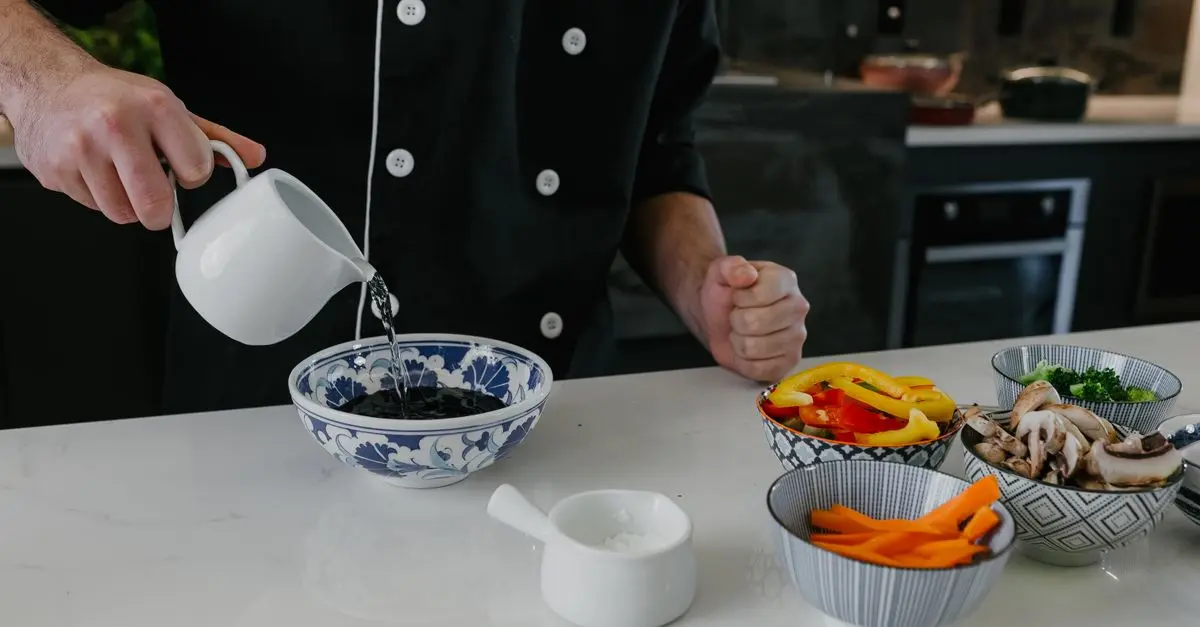
Working in a kitchen often involves juggling multiple tasks at once. New chefs must develop strong time management skills to thrive in a fast-paced environment. Creating a timeline for each task and prioritizing them efficiently will ensure that meals are prepared on time without compromising quality. Using techniques such as the Mise en Place method, which involves preparing and organizing ingredients before cooking, can significantly enhance productivity during shifts.
6. Be Open to Feedback
Constructive criticism can be one of the most valuable assets in a chef’s career. New chefs should be open to feedback from peers and supervisors, as it can illuminate areas for improvement that they may not have recognized. Regularly seeking feedback creates a culture of growth and helps refine culinary skills. Remember, even established chefs invest in professional reviews to maintain high standards. Listening to customer feedback is also crucial in understanding what works and what can be improved in your dishes.
7. Stay Organized
An organized kitchen is a productive kitchen. New chefs should prioritize cleanliness and organization, ensuring that their workspace is clutter-free and accessible. A chaotic kitchen can lead to mistakes, which can be costly in both food waste and customer satisfaction. Implementing a system for inventory management and consistently cleaning as you cook can greatly improve efficiency. As Chef Gordon Ramsay famously states, “If the kitchen is clean, your mind will be clean.”
8. Understand Food Safety
Food safety should be a top priority for any chef. New chefs must familiarize themselves with safety regulations and practices to prevent foodborne illnesses. This includes proper food handling, storage, and preparation practices. According to the National Restaurant Association, roughly 48 million Americans suffer from foodborne illnesses each year, underscoring the importance of implementing strict safety measures. Being informed about food safety can also set you apart when applying for positions in restaurants.
9. Experiment Constantly
Creativity in the kitchen cannot be understated. New chefs should take the initiative to experiment with flavors, textures, and cooking methods. Trying your hand at creating new dishes or reimagining classic recipes is a fantastic way to develop your signature style. Remember that some failures in experimentation are simply stepping stones towards culinary mastery. Keeping a journal of these experiments can guide your progress and innovation.
10. Invest in the Right Tools
Having the right tools can make all the difference in a chef's performance. Quality knives, cookware, and kitchen gadgets can enhance your cooking efficiency and enjoyment. It’s essential for new chefs to invest in reliable kitchen tools that will stand the test of time. By utilizing appropriate tools and equipment tailored for specific tasks, chefs can elevate their dishes and achieve professional results consistently.
Conclusion
In conclusion, the path to becoming a successful chef is paved with continuous learning, practice, and dedication. By implementing these ten essential tips, new chefs can build a solid foundation for a rewarding career in the culinary arts. Remember, every expert was once a beginner, so embrace the learning process wholeheartedly.
💡 Expert Opinion: Surround yourself with motivated and talented individuals. The energy in a kitchen can be contagious. When you work with others who share your passion, it pushes everyone to improve.
Checklist for Aspiring Chefs
- [ ] Embrace continuous learning.
- [ ] Master the basics of cooking.
- [ ] Develop and refine your palate.
- [ ] Build a strong network in the culinary community.
- [ ] Improve time management skills.
- [ ] Be open to constructive feedback.
- [ ] Maintain an organized kitchen workspace.
- [ ] Understand and implement food safety practices.
- [ ] Make room for creativity and experimentation.
- [ ] Invest in quality kitchen tools.
Glossary
| Term | Definition |
|---|---|
| Mise en Place | The French culinary phrase which means “everything in its place,” signifying the process of organizing and arranging ingredients before starting to cook. |
| Culinary Arts | The art of preparing, cooking, and plating food, often involving a blend of aesthetics and taste. |
| Foodborne Illness | Illness resulting from consuming contaminated food, often caused by bacteria, viruses, or parasites. |
📺 Resource Video
For further insights into becoming a successful chef, search for “Essential Skills for Aspiring Chefs” on YouTube.
📺 Pour aller plus loin : Essential Skills for Aspiring Chefs sur YouTube
Recommended products
Selected by our experts
- Coffret Cadeau Tables de chefs à Paris-Gastronomie
Darty FR
A gift set for culinary experiences is perfect for new chefs seeking inspiration and unique dining experiences in Paris.
Coffret cadeau Wonderbox Gastronomie des grands Chefs
Fnac FR
A wonderful gift for chefs to experience fine dining in a variety of prestigious restaurants, enhancing their culinary journey.
Coffret cadeau SmartBox Tables de chefs
Fnac FR
This gift set provides a chance to explore gourmet cooking while enjoying remarkable dining experiences in various locations.