Table of Contents (14 sections)
Starting a career as a chef can be an exciting yet daunting adventure. Whether you're pursuing culinary school or jumping straight into a kitchen, understanding common pitfalls is crucial for your success. This article will outline the ten mistakes to avoid as a chef, ensuring you build a strong foundation for your culinary journey.
1. Ignoring the Basics
Many aspiring chefs think that creativity is all they need to succeed. However, ignoring basic cooking techniques can lead to disaster. Mastering fundamental skills, such as knife techniques, cooking methods, and flavor profiles, provides a strong base. Culinary schools, such as Le Cordon Bleu, emphasize the importance of these fundamentals. Not only will this strengthen your confidence, but it will also improve the quality of your dishes significantly.
2. Overlooking Seasoning
The importance of seasoning cannot be overstated. New chefs often under-season their dishes, leading to bland flavors. It's vital to taste as you cook and adjust spices accordingly. According to culinary experts, proper seasoning can elevate a dish from mediocre to exceptional. A good rule of thumb is to start with minimal seasoning and build up, tasting frequently.
3. Failing to Ask Questions
In the frantic environment of a kitchen, new chefs might hesitate to ask questions for fear of seeming inexperienced. However, failing to communicate can lead to costly mistakes. Asking for guidance or clarification can help you understand cooking techniques and kitchen operations better. Mentorship from experienced chefs also accelerates learning. Chef Gordon Ramsay often emphasizes the importance of communication in professional kitchens.
4. Neglecting Plate Presentation
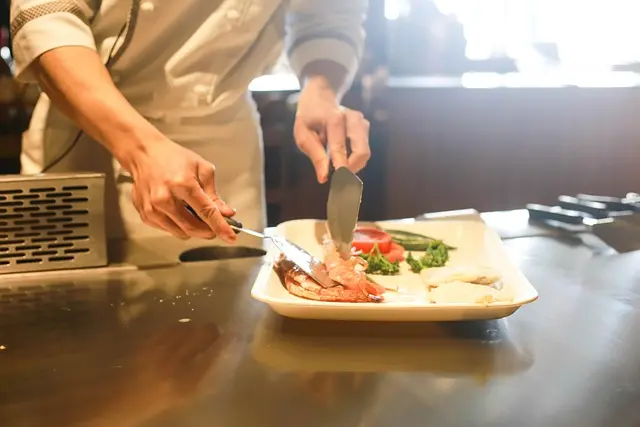
A dish can taste exquisite but fail to impress if it’s not presented well. New chefs often underestimate the importance of aesthetics. Learning about plating styles, colors, and arrangements can greatly enhance the dining experience. Studies show that people eat with their eyes first; thus, investing time in presentation makes a significant difference in how your culinary skills are perceived.
5. Ignoring Feedback
Constructive criticism is a valuable tool for improvement, yet many chefs take it personally. Instead of shutting down, embrace feedback enthusiastically. Learning from mistakes fosters growth and refinement. Regularly tasting your dishes and requesting feedback from peers can help identify areas for improvement. Culinary feedback shouldn’t be feared; it should be welcomed.
6. Not Keeping a Clean Workspace
Hygiene is non-negotiable in cooking. New chefs often neglect cleanliness in the kitchen, leading to food safety issues. Maintaining a clean workspace helps prevent cross-contamination and ensures the quality of your dishes. According to the CDC, proper hygiene reduces foodborne illnesses. Make it a habit to clean as you go and stay organized to promote efficiency.
7. Getting Complacent
As you gain confidence, it’s easy to become complacent; however, complacency can stall your growth. Continuous learning through workshops, culinary classes, and practice is essential. The culinary world is always evolving, with new techniques and trends emerging. Staying curious and adaptable helps you stay relevant and innovative.
8. Skipping the Business Aspect
Many chefs are focused solely on cooking but overlook the business side of the industry. Understanding food costs, inventory management, and menu pricing is crucial for success. If you plan to open your restaurant or work in a leadership role, having insight into the business aspects will enhance your entrepreneurial potential. Food service management courses can provide the necessary skills to balance creativity with business acumen.
9. Not Networking
Networking is vital in the culinary industry. Failing to build relationships with other chefs, restaurateurs, and suppliers can limit professional growth. Attend culinary events, tastings, and workshops to expand your connections. Networking can lead to job opportunities, collaborations, and mentorships that are invaluable throughout your career.
10. Being Afraid to Fail
Fear of failure can be paralyzing. New chefs may avoid taking risks or trying new techniques because they fear failure. However, failure is a crucial part of growth. Embrace mistakes as learning opportunities. Each error can teach valuable lessons and lead to greater creativity. Only through experience can you refine your skills and develop your culinary voice.
📺 Resource Video
For further insights: Master the Kitchen: Essential Skills for Aspiring Chefs, a comprehensive guide exploring crucial kitchen techniques. Search on YouTube: "mastering culinary basics 2026".
Glossary
| Terme | Définition |
|---|---|
| Culinary Skills | The ability to prepare and present food effectively. |
| Plate Presentation | The art of arranging food aesthetically on a plate. |
| Networking | Building professional relationships in the culinary industry. |
Checklist Before Starting Your Chef Journey
- [ ] Master basic cooking techniques
- [ ] Experiment with seasoning
- [ ] Ask questions and seek feedback
- [ ] Maintain a clean and organized workspace
- [ ] Stay updated on culinary trends
- [ ] Understand menu pricing and food costs
- [ ] Attend culinary networking events
- [ ] Embrace failure as a learning tool
🧠 Quick Quiz: What should you focus on as you start your journey as a chef?
- A) Creativity
- B) Basic skills
- C) Cooking speed
Answer: B — Mastering basic skills is crucial for a successful culinary career.
📺 Pour aller plus loin : mastering culinary basics 2026 sur YouTube