Table of Contents (13 sections)
- Understanding Cooking Techniques
- Knife Skills: The Foundation of Culinary Arts
- Sautéing: The Art of Quick Cooking
- Baking: The Science of Perfect Pastries
- Roasting: A Technique for Flavor
- Grilling: Mastering the Heat
- Steaming: Healthier Cooking Method
- Plating: Creating Art on a Plate
- 📺 Resource Video
- Glossary
- Checklist
- Quick Quiz
Understanding Cooking Techniques
Cooking techniques form the basis of culinary arts. They are the methods used to prepare food, contributing significantly to the final flavor, texture, and presentation of a dish. Understanding these techniques not only enhances your cooking skills but also helps in developing intuition and creativity in the kitchen. Different cultures have their unique techniques, and as an aspiring chef, mastering these will allow you to innovate and create diverse dishes. According to the Food & Agriculture Organization (FAO), proficient cooking skills can lead to healthier eating habits and improved nutritional intake, emphasizing the importance of culinary mastery in today's society. By developing these foundational skills, aspiring chefs ensure they can handle various cuisines and styles, making them versatile and marketable in the culinary field.
Knife Skills: The Foundation of Culinary Arts
Knife skills are essential for any chef. Mastering how to properly use a knife not only ensures safety in the kitchen but also improves efficiency and presentation. A basic understanding of different cuts, such as julienne, brunoise, and chiffonade, can drastically change the texture and flavor release in your dishes. For example, a finely diced onion will cook more quickly and blend more seamlessly with other ingredients compared to larger chunks. According to Chef's Academy, nearly 60% of culinary training involves practicing knife skills, highlighting their significance. Regular practice can improve your speed and precision, critical for maintaining a smooth workflow during meal preparation. Additionally, various types of knives serve specific purposes—understanding which knife to use for different tasks can enhance your culinary experience and yield better results.
Sautéing: The Art of Quick Cooking
Sautéing involves cooking food quickly in a small amount of oil or fat over relatively high heat. This technique is wonderful for vegetables and proteins, allowing them to develop rich flavors while still retaining their texture and nutrients. The key to successful sautéing is to ensure your pan is hot enough; ideally, you should see a shimmer on the surface of the oil before adding your ingredients. For instance, sautéing onions until they are translucent can release their sweetness, adding depth to dishes. According to a study in the Journal of Culinary Science, properly executed sautéing can enhance the bioavailability of nutrients in vegetables, making it not just a flavorful method but a healthier one as well. Practice this technique by trying out different vegetables and proteins to master seasoning and timing.
Baking: The Science of Perfect Pastries
Baking is more of a science than an art. Accurately measuring ingredients is crucial to achieving the desired results, whether you’re making bread, cakes, or pastries. For aspiring chefs, understanding the chemical reactions that occur during baking—such as how baking soda and acids interact—is essential. The proper balance between dry and wet ingredients can lead to successful outcomes, as studies show that recipes requiring precise measurements yield more reliable results. Investing in a good scale for measuring ingredients is advised, as it ensures consistency across batches. Practicing with local ingredients can also enhance your understanding of texture and taste variations, resulting in higher quality baked goods.
Roasting: A Technique for Flavor
Roasting involves cooking food evenly in an oven, using dry heat. This method is excellent for enhancing the natural flavors of meats, vegetables, and even fruits. Roasting can caramelize the sugars in food, resulting in a rich, savory flavor that you simply can't replicate with boiling or steaming. It’s important to prepare your ingredients properly—seasoning your food adequately before roasting can elevate the dish. According to the Culinary Institute of America, the Maillard reaction, which occurs during roasting, results in flavors that are complex and inviting, thereby increasing the appeal of even the simplest meals. Experiment with different roasting times and temperatures to discover how they affect the final texture and flavor.
Grilling: Mastering the Heat
Grilling is about managing heat and direct flames to cook food. It’s particularly popular for meats, vegetables, and even some fruits, providing a unique smokey flavor. Effective grilling techniques include marinating your proteins, managing flare-ups, and using the right tools. Essential grilled dishes involve direct grilling for quick-cooking items—like shrimp or corn—and indirect grilling for larger cuts, such as ribs. According to the National Barbecue Association, grilling has seen a massive uptick in popularity, with over 75% of households in the U.S. reporting they own a grill. Understanding the difference between direct and indirect heat will improve your grilling skills significantly.
Steaming: Healthier Cooking Method
Steaming retains more nutrients compared to other cooking methods, making it an excellent choice for preparing vegetables and fish. It’s critical to maintain the temperature so that food cooks thoroughly without compromising texture and flavor. Using a steamer basket over a pot of simmering water is an effective method; it’s essential to cover the pot to trap steam. Studies show that steaming can preserve up to 90% of nutrients, compared to boiling, which can reduce vitamin levels by as much as 50%. Practicing with high-quality steamers can make a significant difference in your culinary skills, ensuring you produce healthy, flavorful dishes.
Plating: Creating Art on a Plate
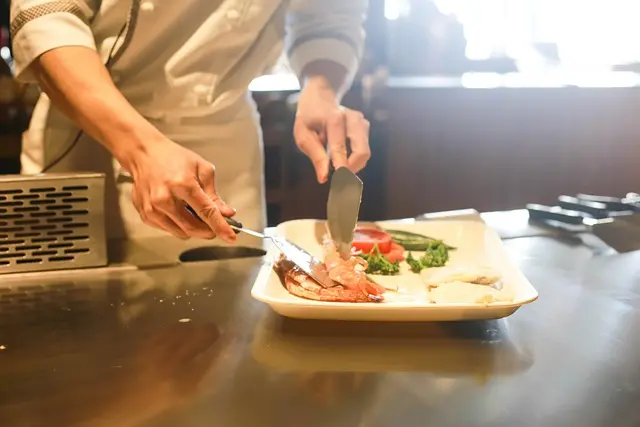
Plating is an often-overlooked technique that can elevate the dining experience. The way food is arranged on a plate affects its presentation and appeal. Techniques include using height, creating balance, and utilizing sauces and garnishes. Chefs often recommend practicing with various plate styles to find the perfect aesthetic for different types of cuisine. According to a survey by the Culinary Institute, beautifully plated dishes increase diners' enjoyment and satisfaction by over 30%. Learning to plate creatively helps establish your personal culinary style and can lead to memorable dining experiences for others.
📺 Resource Video
> 📺 For more insights: Check out Essential Cooking Techniques Every Aspiring Chef Should Master on YouTube:
> Search for: "essential cooking techniques for chefs 2026".
Glossary
| Term | Definition |
|---|---|
| Sautéing | Cooking food quickly in a small amount of hot fat over high heat. |
| Caramelization | The oxidation of sugar, resulting in a sweet flavor and brown color in food. |
| Maillard Reaction | A chemical reaction between amino acids and reducing sugars that gives cooked food its distinctive flavor. |
Checklist
- [ ] Master knife skills.
- [ ] Practice sautéing with various ingredients.
- [ ] Experiment with baking measurement techniques.
- [ ] Learn roasting time and temperature adjustments.
- [ ] Understand direct vs indirect grilling methods.
- [ ] Explore steaming methods for vegetables.
- [ ] Develop plating techniques for presentation.
🧠 Quiz rapide : What is the benefit of sautéing vegetables?
- A) They lose flavor.
- B) They retain crispness.
- C) They become mushy.
Réponse : B — Sautéing retains the crispness of vegetables while enhancing their flavor.
📺 Pour aller plus loin : essential cooking techniques for chefs 2026 sur YouTube