Table of Contents (12 sections)
Culinary techniques are the backbone of every successful kitchen and the foundation of your journey to becoming a chef. Mastering these techniques not only improves your cooking skills but also enhances creativity and food presentation. In this tutorial, we cover five essential steps to perfect your culinary techniques, ensuring that you can impress your guests with restaurant-quality meals at home.
Step 1: Understand Basic Knife Skills
Mastering knife skills is fundamental in the culinary world. A well-chopped onion or a perfectly julienned carrot can elevate your dish. Begin with essential knife skills such as chopping, dicing, and mincing. Here’s how:
- Grip your knife correctly: Hold the handle firmly with your dominant hand, use your other hand to guide the food.
- Use your fingers as a guide: Curl your fingers under your knuckles while cutting to avoid accidental injuries.
- Practice uniform cuts: Focus on making pieces as uniform in size as possible for even cooking.
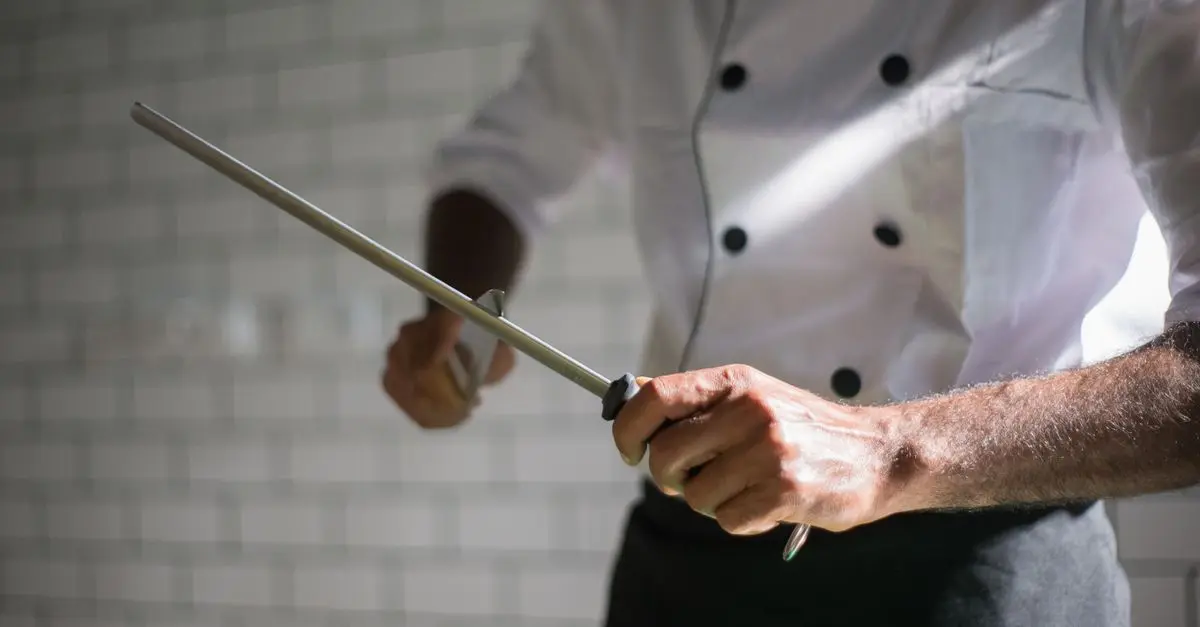
As you practice, aim to speed up your cuts to enhance efficiency in the kitchen. Mistakes can happen; for instance, an uneven dice can lead to uneven cooking. However, with persistence, you can refine this essential skill. As you become more comfortable, explore various cuts like chiffonade and brunoise. Remember to invest in quality knives and keep them sharp for the best results.
Step 2: Master Cooking Techniques
To perfect your culinary techniques, understanding various cooking methods is crucial. Here are a few fundamental techniques:
- Sautéing: Quick cooking in a small amount of fat over high heat. Perfect for vegetables and meats!
- Braising: A combination of cooking methods where meat is first seared and then cooked slowly in a covered pot with a small amount of liquid.
- Roasting: Cooking food evenly in an oven. Ideal for meats and vegetables that benefit from dry heat.
Each technique requires attention to detail. For example, when sautéing, ensure your pan is adequately heated to achieve that perfect sear. Common mistakes include overcrowding the pan, which can steam food and prevent browning. Always give each ingredient enough space to cook properly. Experience real improvement as you regularly practice these techniques.
📺 For further learning:
Search on YouTube: “how to sauté vegetables” for visual guides and tips on perfecting this method.
Step 3: Understand Flavor Profiles
Knowing how to balance flavors is essential in any culinary venture. Whether seasoning a dish to perfection or pairing ingredients wisely, understanding flavor profiles can elevate your cooking.
Tips for Balancing Flavors:
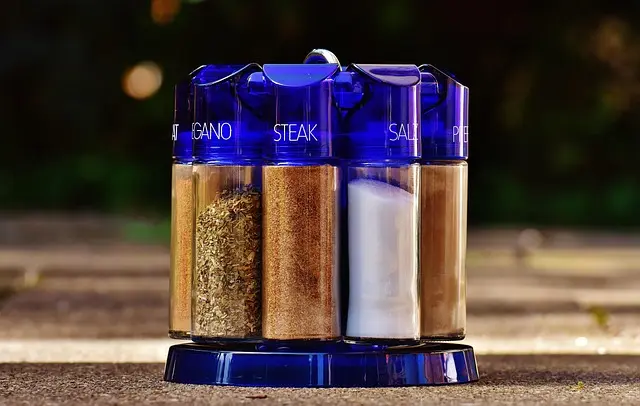
- Salt enhances flavors: Always start with a pinch of salt, then adjust gradually. Too much salt can ruin a dish.
- Acidity for brightness: Adding citrus or vinegar can brighten up heavy dishes. For instance, a squeeze of lemon can turn a bland fish dish into a delightful culinary experience.
- Herbs and spices: Use herbs like basil or cilantro and spices like cumin or paprika to introduce new flavors.
To accurately gauge flavor balance, taste continually throughout cooking. Common pitfalls include over-seasoning or under-utilizing aromatic ingredients, which can leave dishes flat and lifeless. Experiment with different combinations to develop a unique palette that suits your style.
Step 4: Practice Food Safety
Food safety cannot be overlooked when mastering culinary techniques. It’s vital for maintaining health standards in your kitchen.
Key Food Safety Tips:
- Wash Hands Regularly: Always wash your hands before and after handling food products.
- Temperature Control: Use a food thermometer to ensure meats are cooked to safe internal temperatures – 165°F for poultry, 145°F for fish, etc.
- Proper Storage: Keep perishable items stored at appropriate temperatures and never leave food out at room temperature longer than two hours.
By prioritizing food safety, you create a healthy cooking environment. Mistakes such as cross-contamination can lead to severe foodborne illnesses. Always use separate cutting boards for meats and vegetables to prevent any contact.
Step 5: Continuously Educate Yourself
Culinary arts are constantly evolving. To become a skilled chef, staying updated on trends, techniques, and new foods is essential. Here’s how:
- Attend Workshops & Classes: Look for local culinary classes or workshops. Learning from professionals can provide invaluable insights.
- Read Cookbooks & Blogs: Diversify your knowledge by reading from well-known chefs. Follow informational sites and culinary blogs for new recipes and techniques.
- Experiment at Home: Trial and error are part of the learning process. Don’t shy away from making mistakes; they can lead to novel approaches or recipes.
Regularly experimenting and refining your skills will keep your culinary abilities sharp. Engaging with the community through cooking forums or local events can offer further education and connection with fellow food enthusiasts.
Checklist before Cooking
- [ ] Chop and prepare all ingredients in advance.
- [ ] Ensure all tools and utensils are clean and ready.
- [ ] Know the cooking times and methods for all dishes.
- [ ] Double-check that all food safety measures are in place.
- [ ] Have fun and be creative with your dishes!
Glossary
| Term | Definition |
|---|---|
| Sautéing | Cooking food quickly in a small amount of fat over high heat. |
| Braising | A method of cooking in which food is first browned and then cooked slowly. |
| Flavor Profile | The combination of flavors in a dish that creates its unique taste. |
Final Thoughts
Embarking on your culinary journey may seem daunting, but with patience and practice, you can master the essential techniques needed to thrive in the kitchen. Remember to enjoy the process and let your creativity shine.
💡 Expert Opinion: Improving your culinary skills is a journey, not a destination. Celebrate small victories along the way, and constant practice will yield results!
🧠 Quick Quiz: What’s the most essential skill for aspiring chefs?
- A) Knife Skills
- B) Flavor Balancing
- C) Food Safety
Answer: A — Good knife skills are crucial for efficiency and quality in the kitchen.
📺 Pour aller plus loin : how to master culinary techniques for aspiring chefs sur YouTube