Table of Contents (13 sections)
Becoming a chef is an exciting journey that involves mastering various culinary skills. In today's competitive culinary environment, it’s crucial for aspiring chefs to differentiate themselves from the crowd. This article outlines the five key culinary skills for aspiring chefs, providing insights, methods, and tips for mastering each one.
Skill 1: Knife Techniques
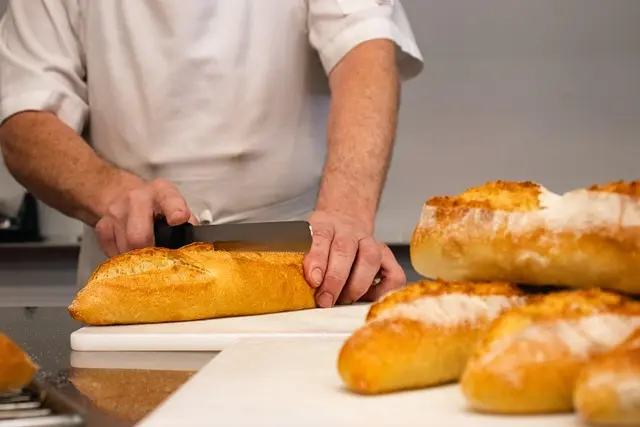
Knife skills are fundamental to cooking and encompass a range of techniques from basic chopping to intricate filleting. Mastering these techniques not only improves efficiency but also ensures precision in every dish. Various knife cuts, such as julienne, dice, and brunoise, have specific applications that can elevate a dish's presentation and flavor profile. For instance, uniform chopping of vegetables can lead to even cooking, while expert slicing can enhance the texture of proteins.
Practicing techniques methodically—starting with simple cuts and progressing to more complex ones—can significantly impact a chef's prowess. It’s worth noting that many culinary schools emphasize knife skills in their curriculum. According to a survey from The Culinary Institute of America, over 65% of successful chefs attribute their knife skills as a critical asset in their journey.
Skill 2: Flavor Profiling
Understanding flavors and how they interact is essential for any chef. Flavor profiling involves the ability to identify and combine ingredients that bring balance to dishes. Mastery of this skill includes knowing the balance of saltiness, sweetness, bitterness, acidity, and umami. Achieving a harmonious flavor profile can turn a good dish into an outstanding one.
Another approach to flavor profiling involves using herbs and spices effectively. By learning which herbs complement specific ingredients, chefs can develop unique recipes. For example, pairing thyme with roasted chicken or basil with tomatoes enhances the overall taste. A chef must experiment and taste regularly to refine their flavor profile skills and develop a signature style.
Skill 3: Cooking Techniques
There are various cooking techniques that every aspiring chef should master, including sautéing, roasting, braising, and sous-vide. Each method has its unique application and brings out different textures and flavors in the food. For example, sautéing enables quick cooking of vegetables, preserving their nutrients and colors, while braising is ideal for tougher cuts of meat, making them tender and flavorful.
To grasp these techniques, aspiring chefs should practice each method repeatedly, experimenting with different ingredients. According to the American Culinary Federation, the best chefs often attribute their versatile cooking style to a comprehensive understanding of these foundational techniques. Therefore, regularly revisiting these skills is advisable as they form the backbone of culinary craftsmanship.
Skill 4: Food Presentation
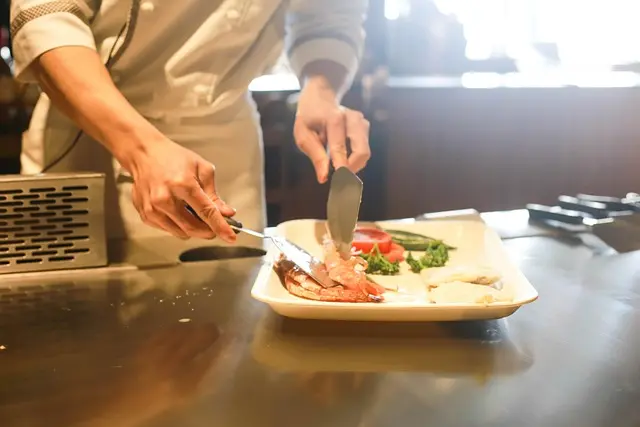
In culinary arts, the visual aspect of a dish can be just as important as its taste. Food presentation involves arranging and decorating the food in a way that is visually appealing. Aspiring chefs should learn various plating techniques, including the use of color contrast, height, and negative space.
Engaging in courses or workshops focused on food styling can enhance this skill significantly. Additionally, studying the works of renowned chefs can provide inspiration. Techniques like using garnishes effectively or creating sauces that enhance presentation make a noticeable difference in dining experiences. According to research from The Journal of Culinary Education, 75% of diners believe that a well-presented dish tastes better than a poorly presented one.
Skill 5: Time Management
In a professional kitchen, time management is crucial. This skill involves prioritizing tasks effectively, ensuring that everything runs smoothly every service. Aspiring chefs must learn to manage their time efficiently, from prepping ingredients to plating dishes before they go out.
A common method for improving time management is the practice of mise en place, or “everything in its place.” By preparing and organizing ingredients and tools before cooking, chefs can save time and reduce stress during service. Dedicating time to develop these skills will not only improve efficiency but also enhance overall performance in high-pressure environments, as supported by insights from successful head chefs.
📺 For Further Exploration:
Watch tutorial videos on mastering culinary skills. Search on YouTube: "culinary skills for aspiring chefs."
Comparison of Culinary Skills
Culinary Skills Comparison Table
| Skill | Importance | Training Required | Use in Kitchen |
|---|---|---|---|
| Knife Techniques | Essential for food prep | High; workshops/courses | Daily, every dish |
| Flavor Profiling | Determines dish quality | Moderate; hands-on | Daily, recipe creation |
| Cooking Techniques | Backbone of culinary arts | High; diverse training | Varies by dish type |
| Food Presentation | Enhances dining experience | Moderate; creative | All dish aspects |
| Time Management | Key in professional kitchens | Variable; practice | Prepping & serving |
Checklist Before Mastering Skills
- [ ] Practice basic knife cuts
- [ ] Experiment with flavor combinations
- [ ] Master at least three cooking techniques
- [ ] Create visually appealing dishes
- [ ] Implement mise en place in daily routines
Glossary
| Term | Definition |
|---|---|
| Mise en Place | A French culinary phrase meaning "everything in its place," referring to the setup and organization of ingredients and tools before cooking. |
| Umami | One of the five basic tastes, often described as savory or meaty, enhancing the overall flavor experience in culinary dishes. |
| Sauté | A cooking technique that involves cooking food quickly in a small amount of oil or fat over high heat. |
---
📺 Pour aller plus loin : culinary skills for aspiring chefs sur YouTube
Recommended products
Selected by our experts
Culinary Skills and Techniques
Alison US CA
This resource covers various culinary skills and techniques, aiding aspiring chefs in their learning journey.